
Kenya at high risk of debt default and austerity measures not enough; World Bank warns
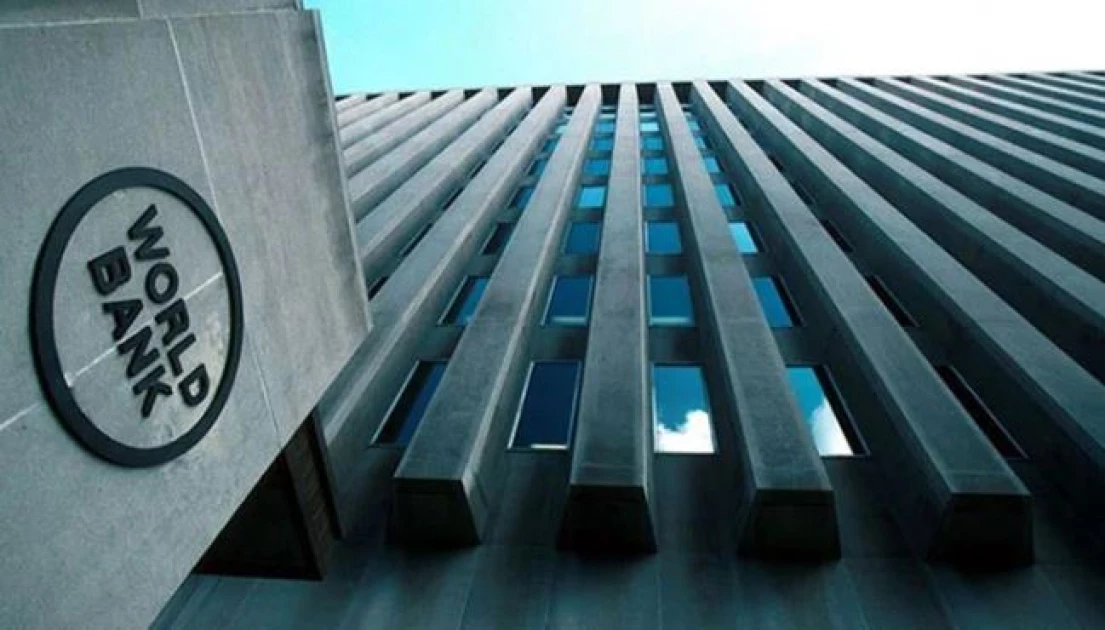
A view of the World Bank's building. — Reuters/File

Audio By Vocalize
The World Bank now
says that Kenya’s debt level is increasingly concerning, with the
classification of "high risk of default" only serving to put more
pressure on the National Treasury.
The government has to contend with a growth environment that has become more
challenging, making it difficult to create jobs.
According to Qimiao
Fan, the World Bank Division Director for Kenya, the Treasury should ensure
Kenya does not default to avoid far-reaching consequences to the economy.
“I'd like to offer a few words of caution: default will not be an easy solution for Kenya. In fact, we have seen that default is not an effective solution for anyone,” said Fan.
“A recent paper presenting evidence of some 221 default episodes shows that
sovereign defaults, on average, reduce GDP per capita by some 8.5%, raise
poverty by 6% within five years, and worsen other outcomes.”
But according to Treasury Cabinet Secretary John Mbadi, to ensure Kenya does not default, the Treasury has outlined what he termed as aggressive fiscal consolidation measures. These include 120 billion shillings in expenditure cuts in the 2025/26 financial year, aimed at reducing the fiscal deficit below 5.3% in 2025.
In the next financial year, the Treasury is projecting 559 billion shillings in
non-tax revenue, while the total deficit is expected to hit 877 billion
shillings. This will be financed through domestic and external borrowing—284
billion shillings externally and 592 billion shillings domestically.
“I will report here that while preparing the 2025/26 budget, we were bold as a government. We took the decision to be radical in terms of projecting our fiscal deficit and in terms of projecting our revenues, which we feel, as the National Treasury, have been exaggerated over the years,” Mbadi said.
“We reduced our projected expenditure to below what was in the budget policy.
We had to cut our budget by Ksh.120 billion.”
However, World Bank
experts warn that this may still not be enough.
“Austerity measures
alone might not be enough to get Kenya out of its fiscal hurdles. Structural
and governance reforms are also needed,” notes Jorge Tudela Pye, a World Bank
economist.
“Of course, what we have seen is that if Kenya’s fiscal performance is
associated with changing the economic structure, then there is something to do
also about the economic structure.”
With only weeks to the
presentation of the budget, the National Treasury is being advised by the World
Bank that austerity alone will not be sufficient to change the country’s fiscal
space—at a time when wages are shrinking and the budget is becoming more rigid,
leaving little room for further cuts.
Join the Discussion
Share your perspective with the Citizen Digital community.
No comments yet
This discussion is waiting for your voice. Be the first to share your thoughts!