
How Kokwo professionals are turning conservation into a movement in Kaptagat
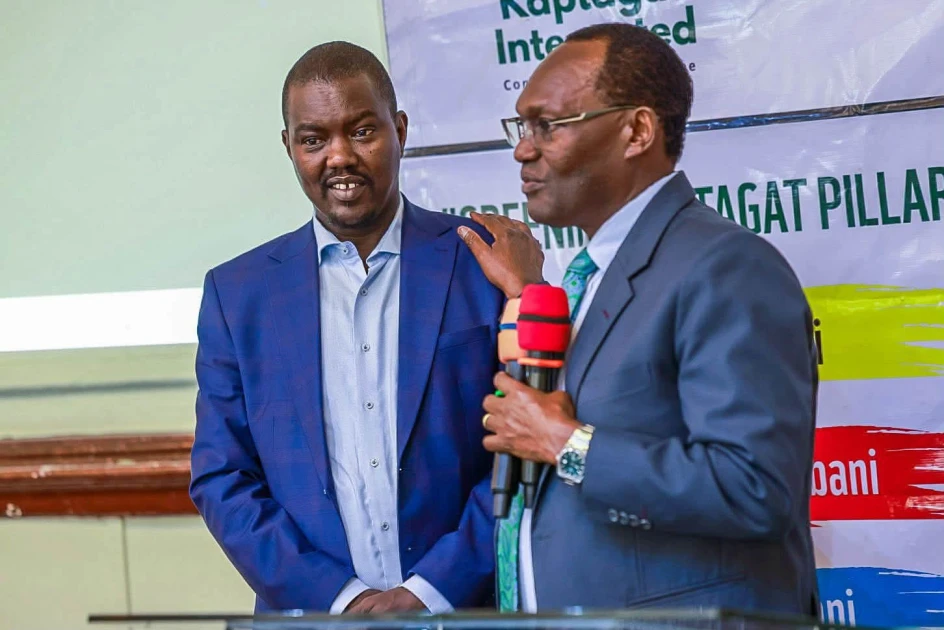
Jackson Mandago, Senator for Uasin Gishu County, and Chris Kiptoo, Principal Secretary at the National Treasury and Patron of the Kaptagat Integrated Conservation Programme, during a livelihoods fundraising event led by professionals held in preparation for the 10th edition of the restoration programme in July dubbed 10 to 20.

Audio By Vocalize
That philosophy is increasingly shaping one of Kenya's most closely watched conservation models.For years, discussions around forest conservation in Kenya largely focused on protecting trees and Fortress conservation. In Kaptagat, the conversation has evolved. The question is no longer how to conserve the forest alone, but how to ensure that communities living around the forest prosper because of it.
Dr. Chris Kiptoo, Principal Secretary for the National Treasury and Patron of the Kaptagat Integrated Conservation Programme, the next phase of the initiative is about moving from restoration to sustainability. "We are here to meet you as professionals, to take leadership. Many times people congratulate me; it is not about me. It is about us. We have marked 10 years and we look at the 10 years ahead known as 10 to 20. We have restored, and we now want to sustain the conserved forest." he noted.
That philosophy, protecting the forest by improving the livelihoods of the people who depend on it, has become the defining feature of the Kaptagat Integrated Conservation Programme. Its success has attracted growing investments from professionals across Elgeyo Marakwet County and inspired the adoption of the model in other critical ecosystems, including the Mau Forest Complex, Oloolua Forest, and the Cherangany Hills.
That thinking forms the foundation of the Kaptagat Integrated Conservation Programme (KICP), a community-led model that has become a reference point for restoration efforts across several of Kenya's forest ecosystems. At its core are five interconnected pillars: Mazingira Safi (Clean Environment), Kawi Safi Nyumbani (Clean Energy at Home), Maji Nyumbani (Water at Home), Pesa Mfukoni (Money in the Pocket), and Agribusiness.
The logic is simple. Forest conservation cannot be sustained if communities remain poor. If conservation improves livelihoods, increases incomes, delivers clean energy, secures water and creates economic opportunity, communities become the strongest defenders of the ecosystem.
The model is already producing visible results. Across parts of Kaptagat, investments in high-value dairy cows are encouraging farmers to transition to zero-grazing systems, reducing pressure on forest resources while increasing household incomes through bulk milk sales. The programme's circular economy approach is equally ambitious. Slurry from dairy cows is used to produce biogas for household energy, while the residue becomes organic manure used to grow fodder and improve agricultural productivity.
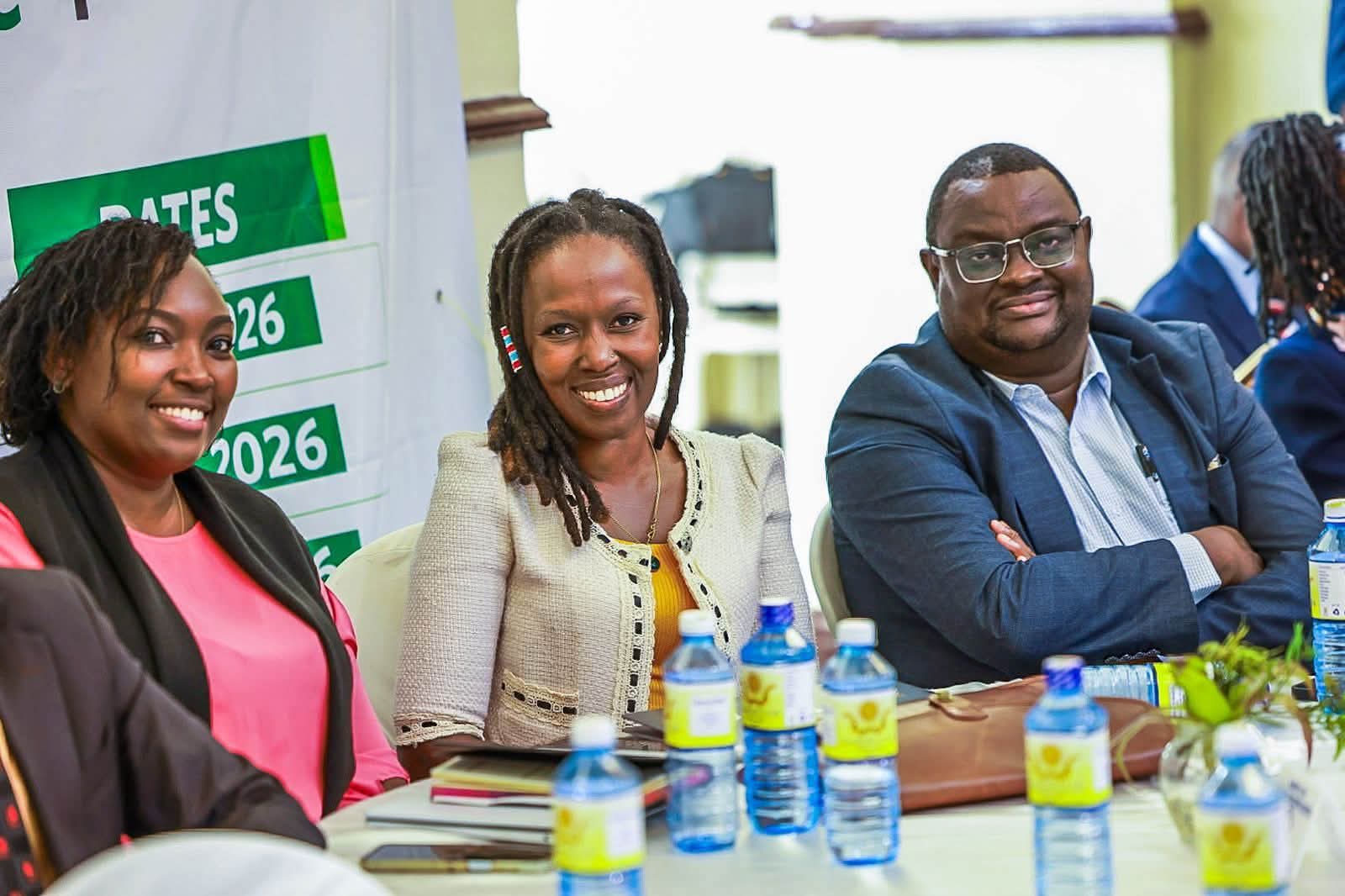
Funds raised through the Kokwo initiative will support the acquisition of high-value dairy heifers sourced from the Kenya Agricultural and Livestock Research Organization (KALRO) and the installation of biogas units for community members.
For vulnerable members of Community Forest Associations, support will be provided through a transparent means-testing process designed to ensure assistance reaches those most in need. Households with the ability to invest independently will be linked directly to quality heifer suppliers and biogas distributors.
The initiative represents a shift from traditional conservation fundraising towards investment in livelihoods as a conservation strategy. Speaking during a breakfast resource mobilization meeting focused on Kaptagat livelihoods enhancement, including water reticulation to homesteads, Elgeyo Marakwet Governor Wisley Rotich described the programme as a practical demonstration of conservation delivering benefits to ordinary people.
"The impact is seen. Whatever you do, you are impacting lives. The county will support. Let us make it the biggest to serve our people and sustain their lives. We give people wings to fly in a sustainable environment and livelihoods," he said. The significance of Kaptagat extends well beyond Elgeyo Marakwet County.
Water originating from the Kaptagat ecosystem supports communities and economies downstream, making its conservation a regional concern. Jackson Mandago -Uasin Gishu, who attended the meeting, noted that the benefits of restoration are already being felt beyond county boundaries. "Every homestead has livestock. We should utilize that and have clean energy through biogas. The people of Uasin Gishu support the Kaptagat restoration because we are the biggest beneficiaries," he said.
Upcoming initiatives include the Keiyo History, Culture & Heritage experience, designed to celebrate and preserve local identity while creating tourism opportunities. Perhaps the most unusual concept is SERGON: The Cow Hotel. The initiative is designed for young professionals and aspiring farmers who wish to own dairy cattle but lack the time or space to manage them. Under the model, individuals can purchase a cow and have it professionally cared for in what organizers describe as a high-end boarding facility for livestock.
The concept seeks to lower barriers to agricultural investment while creating opportunities for youth participation in the dairy economy. Taken together, the projects reflect a broader vision for Kaptagat, one where conservation is not an isolated environmental activity but a driver of livelihoods, enterprise, tourism, clean energy, and community development. In Kaptagat, the future of conservation may not be found solely in the forest. It may be found next door.
Join the Discussion
Share your perspective with the Citizen Digital community.
No comments yet
This discussion is waiting for your voice. Be the first to share your thoughts!