
Hospitality sector urges MPs to reconsider Alcohol Control Bill 2026 due to job risks
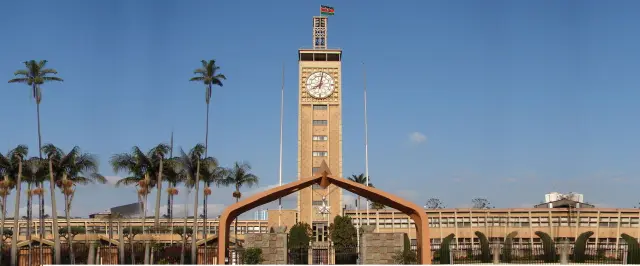
File photo of Kenya's Parliament buildings in Nairobi.

Audio By Vocalize
The stakeholders, who presented their submissions on the proposed legislation, are opposed to the proposed increase of the legal drinking age from 18 to 21 years, restrictions on alcohol sales in restaurants and hospitality establishments, and provisions they say could adversely affect people who depend on the transportation and distribution of alcoholic drinks for their livelihoods.
They called on Members of Parliament to reconsider the contentious provisions and adopt a regulatory framework that protects young people, strengthens the fight against illicit alcohol and promotes responsible consumption without undermining legitimate businesses and employment.
The Alcoholic Drinks and Drugs Control Laws (Amendment) Bill, 2026, published in the Kenya Gazette Supplement of September 18, 2026, proposes amendments to the Alcoholic Drinks Control Act, among other laws.
Michael Kiragu Muthami, Chairman of the Pubs, Entertainment, Restaurants Association of Kenya (PERAK), said the proposed amendments could have far-reaching consequences for businesses operating within the hospitality and entertainment industry.
Muthami singled out the proposed increase in the minimum drinking age from 18 to 21 years, saying the association does not support the change.
"We are against the increase of the drinking age from 18 to 21. If you are old enough to carry a gun for this country, you are old enough to make your own choices in life," he said.
The Bill proposes amending Section 3(c) of the Alcoholic Drinks Control Act by deleting the word "eighteen" and replacing it with "twenty-one". It also makes similar age-related amendments to Sections 13, 21 and 24 of the principal Act.
Muthami also opposed provisions that would restrict the sale of alcoholic drinks in restaurants and other hospitality establishments.
The Bill proposes amending Section 12 of the Alcoholic Drinks Control Act to prohibit the granting of licences for alcohol sales in specified premises. Among the listed establishments is a restaurant, alongside universities, colleges and other institutions of higher learning.
It also proposes restrictions covering public beaches, public parks, amusement parks, cinemas, medical facilities, sports facilities, bus parks, bus stops, petrol stations, railway stations and ferry stations.
The PERAK chairman questioned the rationale behind restricting alcohol sales in restaurants, arguing that the measure would threaten businesses that rely on beverage sales as part of their operations.
"Which restaurant can you go to and not be served?" he posed.
According to Muthami, the proposed restrictions could expose approximately 10,000 outlets to closure, putting about 30,000 jobs directly at risk before accounting for the wider economic consequences.
He estimated the annual economic impact at approximately Ksh.8.46 billion, warning that the consequences would extend beyond business owners to employees, suppliers and other players across the hospitality value chain.
On the other hand, Sava Wycliffe, Secretary-General of the Kenya Hotels and Allied Workers Union (KHAWU), said the proposed increase in the drinking age could undermine employment opportunities in the hospitality industry and force businesses to reduce their workforce.
He urged Parliament to carefully consider the implications of the proposed changes on workers before passing the legislation.
"When Parliament sits, they have to consider. Removing the age limit from 18 to 21 is not workable because our members will have to have a redundancy, leading to many job losses," Wycliffe said.
He argued that the proposed amendments could contradict the government's commitment to creating employment opportunities for Kenyans.
"This is against the President's promise of jobs to Kenyans," he added.
Wycliffe also called for the deletion of the proposed restriction on alcohol sales in hospitality establishments, recommending that Parliament replace blanket restrictions with targeted safeguards.
The union wants the government to prioritise enforcement against illicit alcohol, strengthen responsible alcohol service and support compliance among licensed hospitality establishments.
Wycliffe warned that excessive restrictions on legitimate businesses could have unintended consequences by shifting economic activity and employment from regulated establishments to informal and unregulated operators.
Join the Discussion
Share your perspective with the Citizen Digital community.
No comments yet
This discussion is waiting for your voice. Be the first to share your thoughts!