
Funding gaps stall growth of Kenya's EdTech startups

Audio By Vocalize
Funding shortages continue to hamper the growth of Kenya's education technology (EdTech) startups, limiting their ability to scale innovative solutions and reach more learners, particularly in underserved communities.
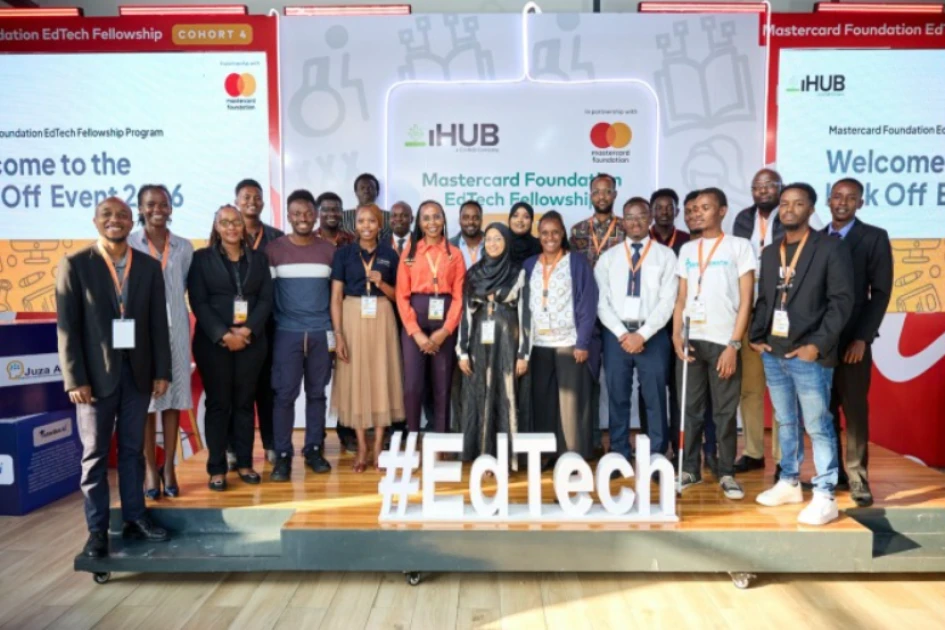
The programme has selected 12 startups for an 18-month acceleration programme aimed at improving fundraising readiness, building strategic partnerships and increasing market visibility.
Organisers said
the Fellowship seeks to bridge the gap between early-stage innovation and
sustainable growth by connecting startups with investors, development partners,
government agencies and the wider EdTech ecosystem.
Since its launch
in Kenya in 2023, the Fellowship has supported 36 EdTech companies,
collectively reaching more than 700,000 learners, training over 11,000
teachers, partnering with more than 2,100 schools and expanding access to
education for over 6,000 learners with hearing and visual disabilities.
Among the latest
beneficiaries is Deaf Health, a startup tackling communication barriers between
deaf patients and healthcare workers through digital learning and community
outreach.
"We saw a gap
where a deaf community member was not able to get prompt services mainly
because of the lack of sign language interpretation and healthcare workers
conversant with sign language," said founder Dr. Mohamed Jamal.
Jamal said the
Fellowship provides more than financial support by offering mentorship,
technical assistance and access to networks that will help the startup expand
its impact.
Another
participant, Assistive Math, is developing affordable digital tools to make
mathematics more accessible for visually impaired learners. Founder Ron Pile
said the high cost of assistive devices remains a major barrier to inclusive
education.
"It is very
expensive for blind students to access calculators. Some cost up to Sh80,000,
while drawing machines are also costly and cumbersome to carry from one
classroom to another," he said.
Educator Mina
Visavadia said accessible technology can help create more inclusive learning
environments.
"We're also
trying to make it more accessible a space where learners can express themselves
and truly experience what everyone else experiences naturally," she said.
As demand for
inclusive education grows, the Mastercard Foundation EdTech Fellowship aims to
equip startups with the funding, mentorship and partnerships needed to scale
innovative learning solutions and improve education outcomes for vulnerable
learners across Kenya.
Join the Discussion
Share your perspective with the Citizen Digital community.
No comments yet
This discussion is waiting for your voice. Be the first to share your thoughts!