
Finance Bill 2026: Stakeholders push for wider PAYE relief beyond low-income earners
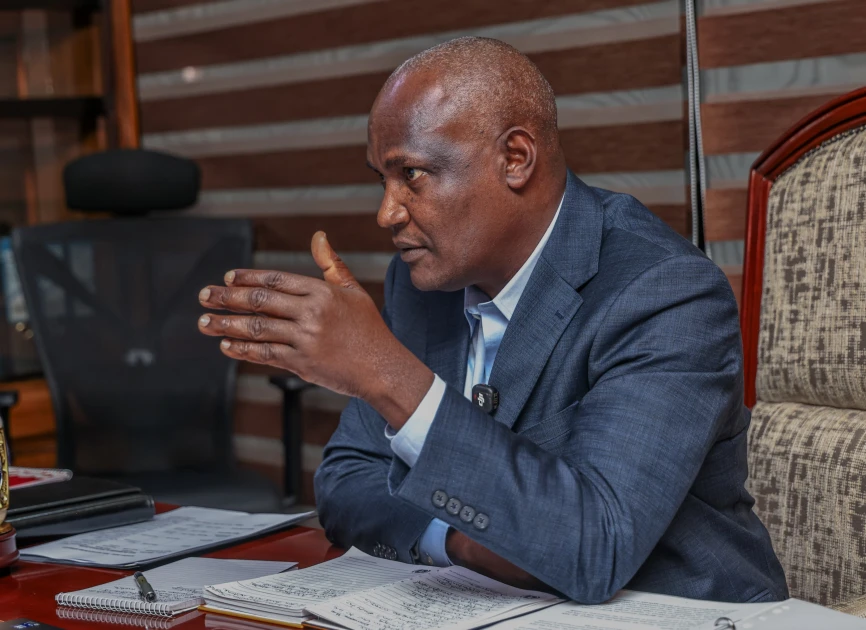
Treasury CS John Mbadi during a Citizen Digital X Space unpacking the 2026 Finance Bill.

Audio By Vocalize
Speaking during a Citizen Digital X Space titled “Unpacking Finance Bill 2026” on Thursday night, stakeholders lauded the government for presenting a bill that largely avoids introducing new taxes at a time when households and businesses are grappling with economic pressures.
ICPAK Chairperson Elizabeth Kalunda said one of the most significant positives in the bill is the decision not to increase taxes.
“The bill has not been too aggressive and has spared Kenyans too much burden,” she said.
Kalunda also welcomed the proposal to introduce pre-populated tax returns, saying it would simplify compliance for taxpayers and improve efficiency in tax administration.
Another proposal that received support is the exemption from taxation of employers’ contributions to employees’ gratuity schemes. Kalunda said the move would encourage savings and improve retirement benefits for workers.
However, she raised concerns over a proposal that requires employees to have worked continuously for at least three years to qualify for tax exemption on gratuity payments. She argued that the provision could disadvantage workers employed on short-term contracts that are renewed over many years.
“Some people work for up to 10 years in the same organisation but on one-year contracts. Restricting the exemption to those with three years of continuous service is not fair,” she said.
Treasury Cabinet Secretary John Mbadi defended the proposal, noting that safeguards are needed to prevent abuse through tax planning. He added that the three-year threshold aligns with pension laws, which also require a minimum period of service before benefits can be accessed.
The debate also focused on Pay As You Earn (PAYE) reforms. Kalunda agreed with the Kenya Bankers Association submissions calling for a review of tax bands across all tax bands, not just for lower-income earners. She noted that many Kenyans support extended family members through 'black tax', meaning any additional disposable income is likely to be spent and injected back into the economy.
Deloitte East Africa Associate Director and Tax Policy Lead Fred Kimotho, who worked with the Kenya Bankers Association (KBA) on PAYE reform proposals, urged the government to reduce all PAYE tax bands by 5% rather than focusing only on low-income earners.
Under the proposal, the top tax rate would fall from 35 per cent to 30 per cent, with corresponding reductions across other brackets. Kimotho said KBA analysis shows the move would release approximately KSh 28.1 billion into the economy.
KBA Chief Executive Raimond Molenje detailed the associations submissions on reducing tax across the board, adding that broad-based PAYE reductions would stimulate economic activity, boost purchasing power and create jobs.
Mbadi acknowledged the concerns, saying there is merit in reducing the tax burden. However, he maintained that improving purchasing power requires a broader set of economic interventions beyond tax adjustments alone.
You can listen to the full X Space recording here: Unpacking Finance Bill 2026
Join the Discussion
Share your perspective with the Citizen Digital community.
No comments yet
This discussion is waiting for your voice. Be the first to share your thoughts!