
Expect 10% fare increase, nationwide protests after fuel price hike
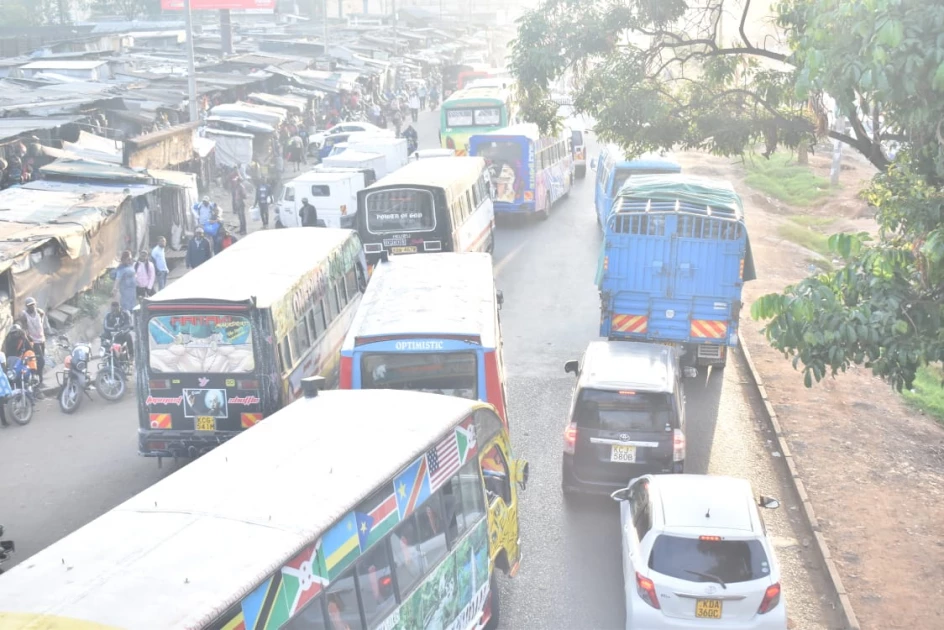
A glimpse of the chaotic traffic that is a common denominator in Nairobi streets. PHOTO/Zachary Mayieka/Citizen Digital.

Audio By Vocalize
The Motorists Association of Kenya (MAK) has threatened to mobilise motorists, transport operators and other Kenyans for peaceful protests if the government fails to address concerns over rising fuel prices and the petroleum pricing system.
In a statement issued on Wednesday, October 14, MAK said it would consult its members on coordinated public mobilisation, accusing the government and the Energy and Petroleum Regulatory Authority (EPRA) of failing to provide adequate explanations for the latest price increases.
On the other hand, the Matatu Owners Association (MOA) has said the increase in fuel prices will lead to a 10% increase in transport costs.
Speaking to the press on Thursday, the association said it had asked its members to increase fare prices.
The Matatu operators further accused the government of failing to adhere to agreements reached in their previous negotiations.
"The President has failed to honour the agreement we had in Mombasa. We have been trying to reach the CS Transport, he is no longer picking our calls," said MOA.
As a result, MAK wants an independent review of the October-November fuel price adjustments, a comprehensive audit of the Government-to-Government (G-to-G) petroleum importation arrangement and the publication of detailed fuel pricing calculations.
At the same time, MAK also wants the government to disclose the Petroleum Development Levy Fund's receipts, disbursements and stabilisation balances, alongside a review of petroleum taxes and levies.
The association questioned the increase in kerosene prices, which rose by Ksh28.49 per litre compared to Ksh.12.93 for petrol and Ksh.9.90 for diesel, despite kerosene recording the lowest percentage increase in reported landed costs.
MAK argued that EPRA should explain the disparity, including how taxes, freight charges, insurance, distribution margins and stabilisation adjustments contributed to the final pump prices.
The association also challenged EPRA to publish evidence showing whether the G-to-G importation arrangement has delivered savings to consumers, including supplier premiums and financing costs.
"An explanation is not scientific merely because it contains figures. It becomes scientific when its assumptions, methodology and calculations can be independently examined and reproduced,” MAK stated.
Additionally, the association demanded detailed pricing worksheets showing the international benchmarks, landed costs, exchange rates, freight, taxes and other adjustments used to determine pump prices.
MAK also questioned the kerosene price hike, arguing that using higher prices to deter fuel adulteration unfairly burdens households instead of strengthening enforcement against offenders.
The association wants Parliament, the Auditor-General and the Competition Authority of Kenya (CAK) to scrutinise the petroleum procurement and pricing arrangements.
In May this year, Kenyans and motorists took to the streets to protest a similar fuel price hike, although MAK did not specify when it would organise the planned demonstrations.
Join the Discussion
Share your perspective with the Citizen Digital community.
No comments yet
This discussion is waiting for your voice. Be the first to share your thoughts!