
EU curbs on Chinese solar inverters to bolster European suppliers
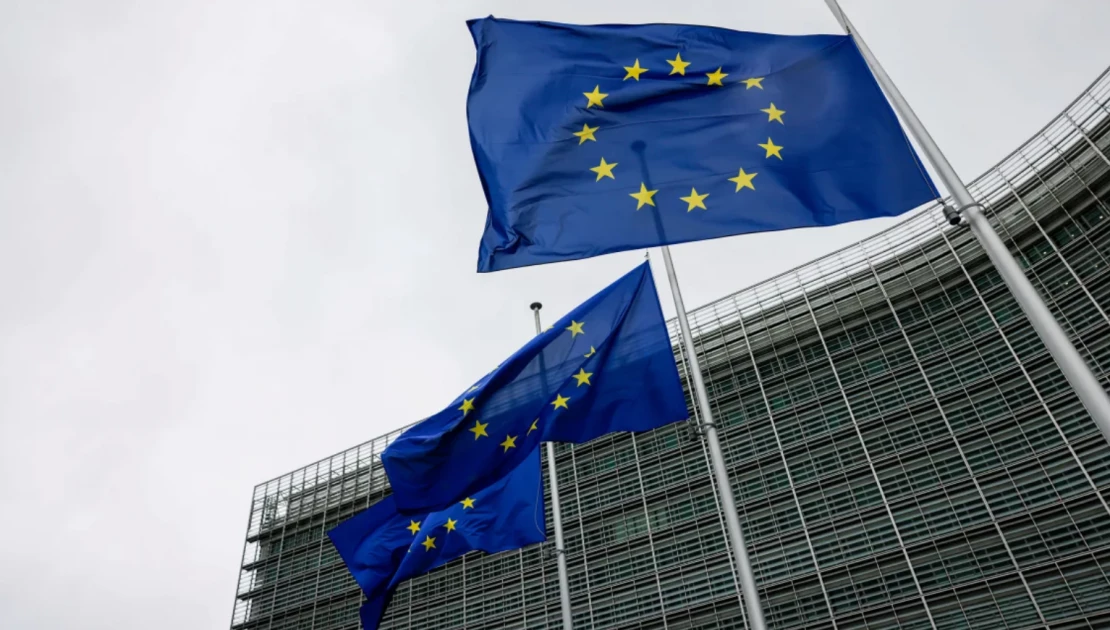
European Union (EU) flags next to the European Commission building in Brussels, Belgium, on Friday, Nov. 10, 2023.

Audio By Vocalize
The 27-country bloc imposed the ban in May, mainly affecting Chinese-made products, citing fears that internet-connected inverters supplied by what it called "high-risk" countries could be used to disrupt Europe's power grid.
"Roughly a fifth of all bigger projects are EU-funded and on those, the restriction on China, North Korea, Russia, Iran, of course will help us," CEO Jürgen Reinert told Reuters, estimating that SMA Solar could gain around 10% share in the utility-scale market in Europe.
Chinese manufacturers, led by Huawei and Sungrow, supplied about 70% of Europe’s inverters in recent years, leaving the region reliant on foreign equipment for a fast-growing share of its electricity supply.
Based on current deployment levels, the EU-wide ban would affect at least 14 gigawatts of new solar capacity, according to Reuters calculations.
"There will be a shift from Chinese players towards European players when it comes to European finance projects, but it will still take some time," said Reinert, predicting the situation would become more certain by the start of 2027.
But the German photovoltaic and battery storage equipment supplier has already held "lots of discussions" with new customers who previously purchased inverters from Chinese companies, he added.
SMA Solar has reduced its dependence on China, where it currently sources between 2% and 4% of components for its large-scale inverters, and sees limited risk of supply chain disruptions from potential retaliatory measures, Reinert said.
Join the Discussion
Share your perspective with the Citizen Digital community.
No comments yet
This discussion is waiting for your voice. Be the first to share your thoughts!