
Dubai chefs shrink menus as Iran war makes tomatillos, scallops harder to source
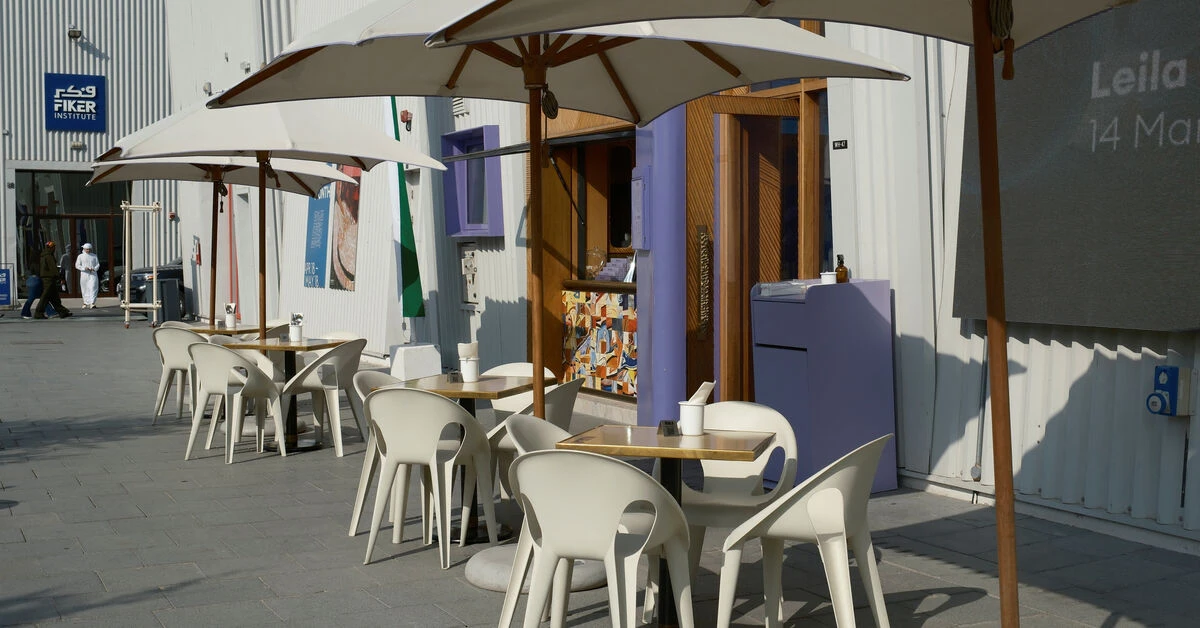
Dining tables are seen outside a restaurant, in Dubai, United Arab Emirates, April 28, 2026. REUTERS — Reuters

Audio By Vocalize
Dubai chef Shaw Lash at Mexican restaurant Lila Molino flies
in her avocados and tomatillos, small, tart green fruits native to Central
America that are a staple of Mexican cuisine and key for her colourful and
spicy dishes.
Now the two-month-old war in Iran is making such
ingredients harder to source and more expensive, Lash and other chefs said, as
the Gulf grapples with the closure of the Strait of Hormuz sea route and
spiking jet fuel prices push up air freight costs.
Lash has scaled back production, cut her payroll, and is
buying ingredients in smaller quantities for now - measures she expects to be
temporary. She's focusing on her make-at-home fajita kits which have been a
hit, and her grocery line.
"The reality is cargo has gotten more expensive, gas
prices have gone up, the Strait of Hormuz is still blocked," Lash told
Reuters at her restaurant in Dubai's trendy Alserkal Avenue art and culture
district.
"This is really creating a problem for us as far as our
supply."
Chefs in the glitzy city are adapting their menus, with
some turning to more regional or readily available foods, or offering fewer
dishes. Dubai authorities have rolled out broader economic support measures, relief on fees and campaigns to
get people dining.
The trend is a challenge for the UAE's wider full-service
restaurant market estimated to be worth $9.5 billion last year by market
researcher Mordor Intelligence. Before the war started, it predicted 20%
growth to $11.3 billion this year.
But the war may change the equation. After the U.S. and
Israel launched strikes on Iran in late February, the Gulf saw several weeks
of Iranian missile and drone attacks. Although a ceasefire came into
effect on April 8, the Strait of Hormuz, the only sea access to the UAE, which
imports more than 80% of its food for consumption, remains effectively
closed.
The war has cut regional tourist arrivals, hit shopper
numbers in luxury malls, high-end car sales, and disrupted
restaurants, a pillar of Dubai's booming leisure and tourism sector, carefully
built on an image of grandeur and safety.
A survey by Juniper Strategy and the Global Restaurant
Investment Forum found that UAE foodservice operators reported they were
experiencing an average 27% drop in demand levels versus a year ago. Supplier
cost increases averaged 13%, according to the report, which consulted 30
industry leaders between April 1-8, who operate some 400 restaurants.
It added tourist-exposed locations and business districts
were under the greatest pressure, while residential establishments showed
greater resilience, and in some cases, growth.
The Dubai Department of Economy and Tourism said in a
statement that some operators were navigating a
"period of disrupted footfall" and were finding creative ways to
respond.
"Across the city, restaurants, chefs and platforms are
adapting through new formats, targeted offers and community-led
initiatives," it said in a document sent to Reuters.
Item 1 of 6
Customers sit while employees stand at Lila Molino restaurant in Dubai, United
Arab Emirates, April 28, 2026. REUTERS
The UAE Ministry of Economy and Tourism did not respond to a
request for comment.
Kelvin Cheung, chef at fusion restaurant Jun's Dubai, told
Reuters that finding alternative routes to transport hard-to-source perishable
ingredients, such as Norwegian scallops or certain Japanese seafood, had become
a costly challenge.
"Your only option was then to fly air freight, which
would increase our costs by about thirty, thirty-five per cent," he said,
adding he had turned to using local fish on his menu.
Air freight rates have risen by as much as 70% on some routes as the war has
stymied oil shipments from the Gulf and pushed up jet fuel costs. Flights to
and from the UAE are only slowly returning to normal.
"Tourism has taken a huge hit," said Cheung.
"That massive influx of tourists who provide that extra boost of economy,
of spending, across all industries is what we're missing now."
Cheung has introduced a six-course menu for 225 dirhams
($61) using locally sourced ingredients. The restaurant has retained all its
staff. Other venues are set to roll out discounted set-price meals for Restaurant Week in
May.
The conflict has sharpened existing challenges like high
fixed costs, tourism reliance and supply-chain exposure, said food writer
Courtney Brandt, who has been in the region since 2007, adding the market was
already saturated before the war.
"We were due for a correction," she said, adding
that international brands, often with celebrity chefs and deeper pockets, could
fare better but that mounting costs were a challenge despite local support.
"Difficult decisions have to be made if businesses
are going to survive."
Some fine-dining venues, including in the luxury Atlantis
hotels on Dubai's iconic man-made palm-shaped island, have temporarily closed
for refurbishments, not citing the war. Others have opened, including Italian
restaurant Siena in early April in Dubai and Isabel Mayfair in UAE capital Abu
Dhabi.
Join the Discussion
Share your perspective with the Citizen Digital community.
No comments yet
This discussion is waiting for your voice. Be the first to share your thoughts!