
Disability-inclusive procurement rises in Kenya, but employment remains slow – Study

Audio By Vocalize
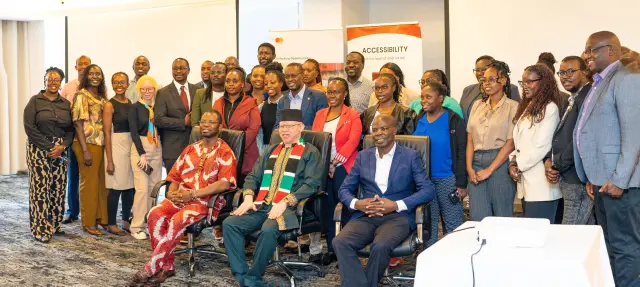
A new study, presented at a high-level meeting convened by the Unlocking Opportunities Programme (UOP) in partnership with the Mastercard Foundation found that employment rates remain below the statutory 5% threshold.
The study evaluated 42 institutions across Embu, Kilifi, Kisumu, Nairobi, Nakuru, and Turkana counties.
While the data shows upward momentum in public contracting, researchers found that inaccessible digital platforms, delayed payments, and a lack of workplace accommodations continue to block persons with disabilities from translating Kenya’s legal frameworks into sustained economic gains.
Under Kenya’s Access to Government Procurement Opportunities (AGPO) framework, 30% of public tenders are reserved for enterprises owned by women, youth, and persons with disabilities.
In the six sampled counties, the value of contracts awarded to businesses owned by persons with disabilities more than doubled from Ksh.46.37 million in the 2024/25 financial year to Ksh.95.46 million in 2025/26, pushing their share of local AGPO awards from 4% to 15.1%.
Nationally, however, their five-year average share remains at approximately 10.4%, indicating that greater effort is needed to ensure reserved opportunities drive sustained business growth.
Researchers warned that severe operational bottlenecks threaten the survival of these enterprises. Timely payment scored just 40% in the institutional assessment, straining cash flows for small businesses and preventing them from bidding on subsequent tenders.
Inaccessible tender notices and digital procurement platforms also pose major hurdles, particularly for suppliers who are blind or have low vision, alongside complex tendering rules, inadequate access to finance, and weak disability-disaggregated procurement tracking.
Eannes Ongus, Deputy Director for Resource Mobilisation and Partnerships at the Public Procurement Regulatory Authority (PPRA), acknowledged that while procuring entities are setting aside tenders under AGPO, translating those reservations into actual contract awards remains a challenge.
He cited internet connectivity and difficulties navigating the e-government procurement system as key barriers the Authority is working to address through stronger compliance monitoring.
On the employment front, the Persons with Disabilities Act, 2025 mandates that employers with 20 or more staff reserve at least 5% of positions for persons with disabilities and provide reasonable workplace accommodations.
However, workforce data reported by seven public institutions revealed that only 371 out of approximately 29,011 employees were persons with disabilities, representing just 1.28% of the workforce.
Of ten public institutions assessed on compliance, only three reported meeting the 5% quota, four fell short, and three lacked the workforce data required to confirm their status. The report further noted systemic underinvestment in workplace accessibility, with budgetary provisions for reasonable accommodation scoring 36.7% and accessibility of digital systems and communications scoring 33.3%. Speaking at the dissemination forum, Dr. Isaac Mwaura, Head of the Office of Diversity, Inclusion and Disability Rights in the Executive Office of the President, urged institutions to move beyond treating inclusion as a box-ticking exercise.
"A business owned by a person with a disability can deliver quality, innovation and value just like any other enterprise," Mwaura said, adding that employees with disabilities bring unique perspectives and lived experiences that enrich workplaces and strengthen team performance.
Charles Warria, Programmes Director at inABLE, noted that the assessment was designed to pinpoint implementation failures and guide practical reforms across both public and private sectors.
"Kenya has done the hard work of writing strong laws. Our task now is to make them real for the people they were written for,” Warria said.
The Unlocking Opportunities Programme, implemented by Humanity and Inclusion alongside inABLE, Next Step Foundation, and Riziki Source, with funding from the Mastercard Foundation; will use the study's recommendations to help institutions overhaul human resource policies, dedicate budgets for assistive technologies, and enforce timely supplier payments.
Join the Discussion
Share your perspective with the Citizen Digital community.
No comments yet
This discussion is waiting for your voice. Be the first to share your thoughts!