
Crisis deepens as Kenya struggles to expand access to prosthetic care

Audio By Vocalize
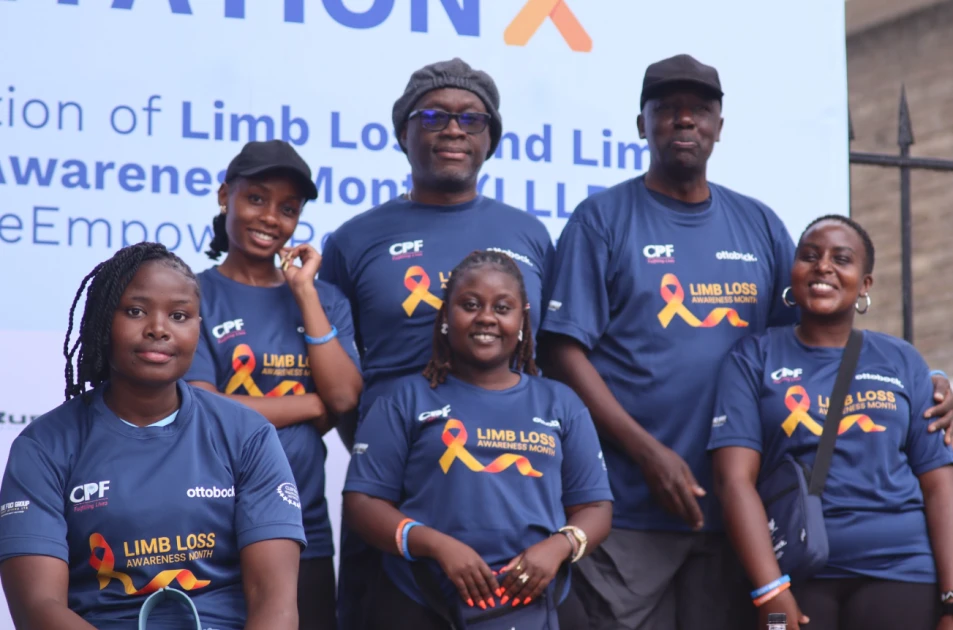
As the world marks Limb Loss and Limb Difference Awareness Month, Kenya is grappling with a growing but often overlooked crisis, rising cases of limb loss and limited access to prosthetic services.
Amputations are
increasingly being driven not only by road accidents but also by
non-communicable diseases such as diabetes and cancer, placing added pressure
on an already strained healthcare system.
According to
experts from Ottobock Kenya, a shift is emerging, with more young people
especially in agricultural regions experiencing traumatic amputations linked to
unsafe use of farm machinery.
“We are seeing
more young patients with traumatic amputations, particularly from agricultural
accidents involving equipment like chaff cutters. This often comes down to
limited safety awareness,” said Moses Gitonga, a prosthetics expert.
Mirriam Muthoni
added that disease-related amputations are also on the rise, further
compounding the burden.
“Non-communicable
diseases such as diabetes are contributing significantly to limb loss,
increasing demand for prosthetic care services,” she noted.
Despite
advancements in prosthetic technology, access remains a major hurdle. Most
devices are imported and costly, with limited insurance coverage, leaving many
patients unable to afford quality care.
“Prosthetics in
Kenya are not cheap, and many people don’t even know the process or where to
get them,” said Nancy Mumbua, a 25-year-old prosthetic user and disability
advocate who lost her limb in a road accident in 2022.
Mumbua also
highlighted the social challenges faced by persons with limb loss.
“There is still a
lot of stigma. People stare or react with discomfort, which shows there is a
need for greater awareness and inclusion,” she said.
Industry
stakeholders are now calling for urgent reforms to address the gaps. These
include expanding insurance coverage, strengthening regulation of prosthetic
devices, increasing public awareness, and investing in local manufacturing to
reduce costs.
“Materials and
technology are largely imported, which drives up costs. Additionally, insurance
coverage for prosthetic care remains limited,” said Kingsley Diores, Managing
Director at Ottobock Kenya.
While
acknowledging efforts by the Social Health Authority (SHA) to improve
healthcare access, Diores stressed the need for more comprehensive support.
“Kenya has good
policies, but enforcement and coverage are still lacking. Many patients turn to
cheaper, unsafe alternatives because they simply cannot afford certified
devices,” he said.
Concerns have also
been raised over the proliferation of counterfeit and low-quality prosthetic
devices in the market, posing serious health risks to users.
As awareness
efforts gain momentum this month, advocates say the focus must remain on
building an inclusive society where access to prosthetic care is not a
priviledge.
Join the Discussion
Share your perspective with the Citizen Digital community.
No comments yet
This discussion is waiting for your voice. Be the first to share your thoughts!