
Cost of not knowing: How delayed diagnosis hinder development in autistic children


Audio By Vocalize
She was a health professional, a university lecturer, and someone who had spent years teaching others about health. Yet when the signs of autism appeared in her own child, she did not recognize them immediately.
"With all my knowledge, it took a friend to point it out to me that my daughter was autistic because, as a parent, I was in denial," recalls the Kenyatta University senior lecturer.
When she finally sought medical help, she expected confirmation that one child was autistic.
Instead, doctors told her both children were on the autism spectrum.
"I hope you are very rich because you are going to need a lot of therapy."
Those words marked the beginning of a lifelong caregiving journey, one that exposed not only the emotional realities of raising children with developmental disabilities but also the structural barriers that thousands of Kenyan families face in accessing diagnosis, treatment and support.
Her experience reflects what specialists describe as Kenya's "diagnostic odyssey," a long and often confusing journey before children with autism and other neurodevelopmental disorders receive the help they need.
The consequences are significant.
Globally, an estimated one in six children lives with a neurodevelopmental disorder, yet studies suggest up to 80 per cent of affected children in low- and middle-income countries are never diagnosed.
In Kenya, research presented during a Kenyatta National Hospital webinar shows the average age of autism diagnosis is about five years, with families waiting nearly three years between first noticing developmental concerns and receiving a diagnosis.
During that time, many consult almost four different health providers before reaching appropriate services.
For children, those lost years matter.
Speaking during the Kenyatta National Hospital webinar "Diagnosing Late: The Cost of Not Knowing," consultant developmental paediatrician Dr. Florence Oringe said delayed diagnosis remains one of the biggest barriers to improving outcomes for children with autism and related developmental conditions.
"Why should a child spend five years struggling, being punished, being misunderstood and even being excluded before anyone understands what is happening?" she asked.
The first five years of life are the most critical period for brain development.
During these years, the brain rapidly builds the neural connections responsible for language, communication, emotional regulation, learning and social interaction.
Scientists refer to this remarkable adaptability as neuroplasticity: the brain's ability to reorganize and strengthen itself through experience.
Early intervention harnesses this window through speech therapy, occupational therapy, behavioural support and parent-led interventions.
"When we diagnose late, children lose time, and they can never fully recover that lost opportunity," Dr. Oringe said.
Although children continue learning throughout life, evidence shows interventions are most effective during early childhood, when the brain is most responsive to change.
Without diagnosis, many children are instead labelled as stubborn, naughty, lazy or poorly disciplined. Others are punished in school for behaviours linked to autism or Attention Deficit Hyperactivity Disorder (ADHD), while some quietly struggle until anxiety, depression or behavioural difficulties emerge later in adolescence.
"The greatest cost of delayed diagnosis is not the label," Dr. Oringe said.
"It is the lost opportunity for timely support."
For Prof. Muiruri, the diagnosis was not the end of the journey.
It was the beginning.
"As a caregiver, I am on call twenty-four hours a day, seven days a week. I do not hand over my child to anyone at the end of the day."
Caregiving extends far beyond clinic appointments.
It involves coordinating therapy, managing school transitions, advocating for accommodations, handling behaviour challenges, financing treatment and providing constant emotional support.
Yet caregivers themselves often remain invisible within healthcare.
"Rarely does a healthcare provider ask, 'How are you coping?'" she said.
Health experts warn that prolonged caregiving can contribute to chronic stress, anxiety, depression, burnout and even non-communicable diseases such as hypertension.
The challenges are even greater for families with fewer financial resources.
In Kakamega County, Mary (not her real name), a mother of a seven-year-old boy with autism, says she spent years visiting health centres before receiving a diagnosis.
She travels more than 100 kilometres to access specialist services.
"Sometimes I miss appointments because I simply do not have the transport fare," she said.
Her son requires speech therapy and occupational therapy, but regular sessions remain unaffordable.
"You have to choose between buying food and paying for therapy."
Experts say her experience is common among families outside major cities, where developmental services remain scarce.
The financial burden begins almost immediately after diagnosis.
“Private therapy sessions in Kenya typically cost between KSh2,000 and KSh5,000 per session, with many children requiring speech therapy, occupational therapy and behavioural interventions every week,” Martha Kadenyi a private occupational therapist in Vihiga says.
Families may also incur transport costs, assessment fees and lost income when caregivers reduce working hours or leave employment to provide full-time care.
Although the Social Health Authority (SHA) has begun covering some therapy services through the primary healthcare pathway, coverage remains limited and many families continue paying significant out-of-pocket costs.
Access is also constrained by a shortage of specialists.
Kenya has only a small number of developmental paediatricians serving millions of children, alongside limited numbers of child psychologists, speech and language therapists, occupational therapists and behavioural specialists.
Most are concentrated in Nairobi and a few major urban centres, forcing families in rural counties to travel long distances or remain on waiting lists.
Why Diagnosis Comes Too Late
Dr. Oringe says delayed diagnosis results from multiple interconnected challenges rather than a single failure.
Parents often notice developmental differences early but are reassured by family or relatives that children will eventually "catch up."
Others seek help from several providers before reaching appropriate specialists.
Stigma surrounding disability, cultural beliefs, low public awareness and fragmented referral systems further delay care.
Schools frequently become the first institutions to identify developmental concerns.
However, communication between the education and health sectors remains weak, and many mainstream teachers receive little training on recognizing autism and other neurodevelopmental disorders.
Girls face additional barriers.
Because many girls learn to imitate peers, maintain eye contact and mask social difficulties, autism often goes unnoticed until adolescence when academic and social demands increase.
Children with average or high intelligence may also compensate for years before their challenges become obvious.
A Human Rights Issue
Experts argue that delayed diagnosis is not only a health issue but also a human rights concern.
Kenya's Constitution guarantees every person the right to the highest attainable standard of health, equality, freedom from discrimination and human dignity.
The country has also ratified the United Nations Convention on the Rights of Persons with Disabilities (CRPD), committing itself to ensuring equal access to healthcare and inclusive services for persons with disabilities.
Yet legal protections mean little if families cannot access diagnosis, therapy or appropriate support.
Prof. Muiruri believes meaningful inclusion begins with communication.
"Talk to the patient first," she said.
"Do not assume they do not understand."
She argues that caregivers should be recognized as partners in healthcare rather than passive observers because they often provide crucial information that cannot be captured during brief clinical consultations.
Building a Family-Centred Health System
Dr. Oringe says improving outcomes requires action across the health and education sectors.
She recommends routine developmental screening during child wellness clinics, better training for healthcare workers and teachers, clearer referral pathways, decentralizing developmental services to county and primary healthcare facilities, expanding specialist training and increasing public awareness.
She also advocates integrating developmental assessments, immunization, therapy and follow-up care into coordinated services, reducing the need for families to make multiple visits to different clinics.
Supporting caregivers through counselling, peer support groups, respite care and financial protection should become part of routine health services rather than an afterthought.
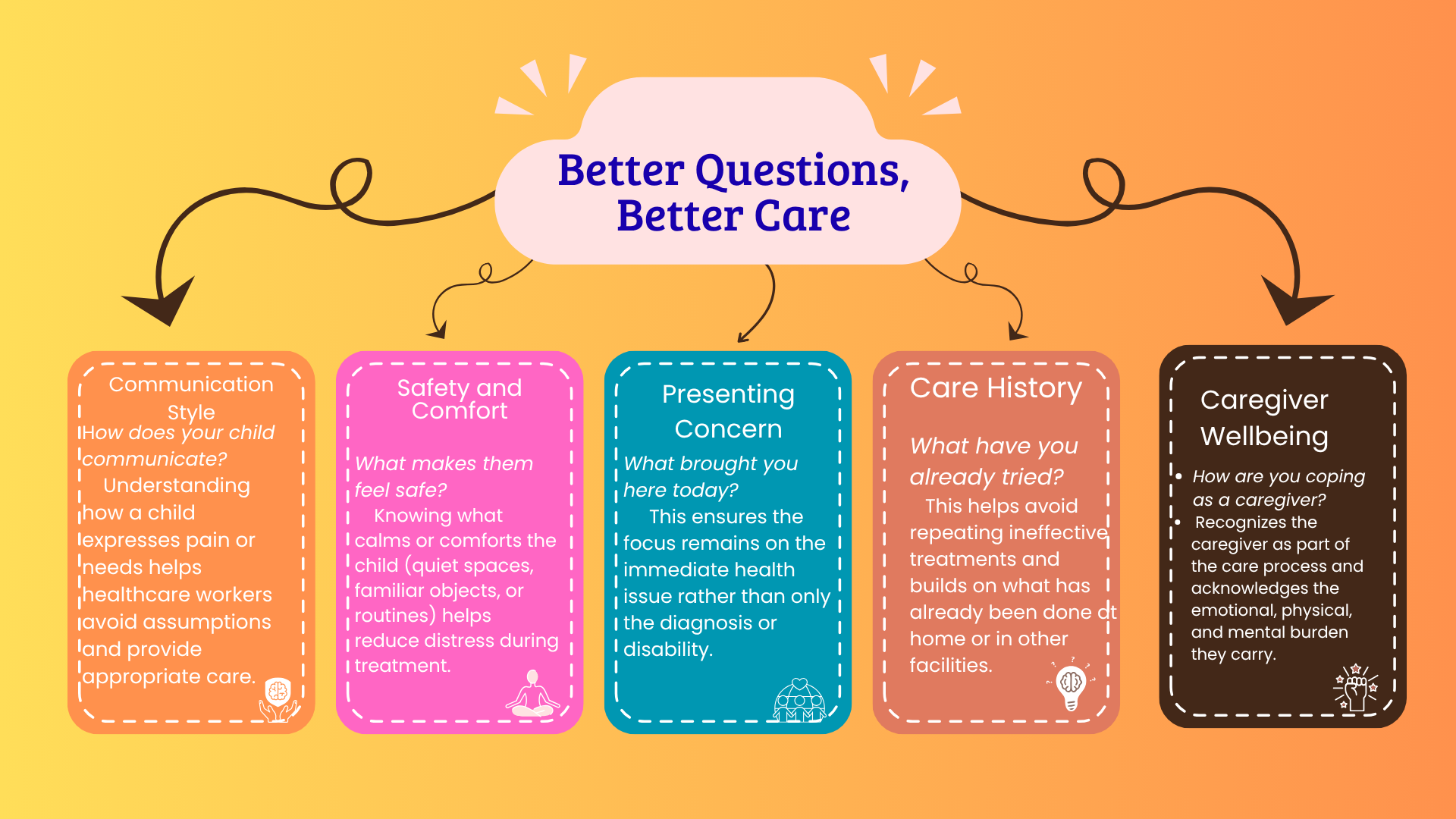
Prof. Muiruri says that the lessons extend beyond autism.
"We may change hospitals, we may change healthcare providers, shorten distance, but we cannot remove the caregiver and the affected from the equation."
As Kenya confronts a growing burden of developmental disorders, mental health conditions and non-communicable diseases, experts say caregiver wellbeing can no longer remain invisible.
Because behind every delayed diagnosis is more than a child waiting for answers.
There is a parent carrying uncertainty. A family adapting to a different future.
And a child losing precious time that no healthcare system can ever give back.
Join the Discussion
Share your perspective with the Citizen Digital community.
No comments yet
This discussion is waiting for your voice. Be the first to share your thoughts!