
Cold, snails and fertilizer shortages: Triple threat for Mwea rice farmers as planting season begins
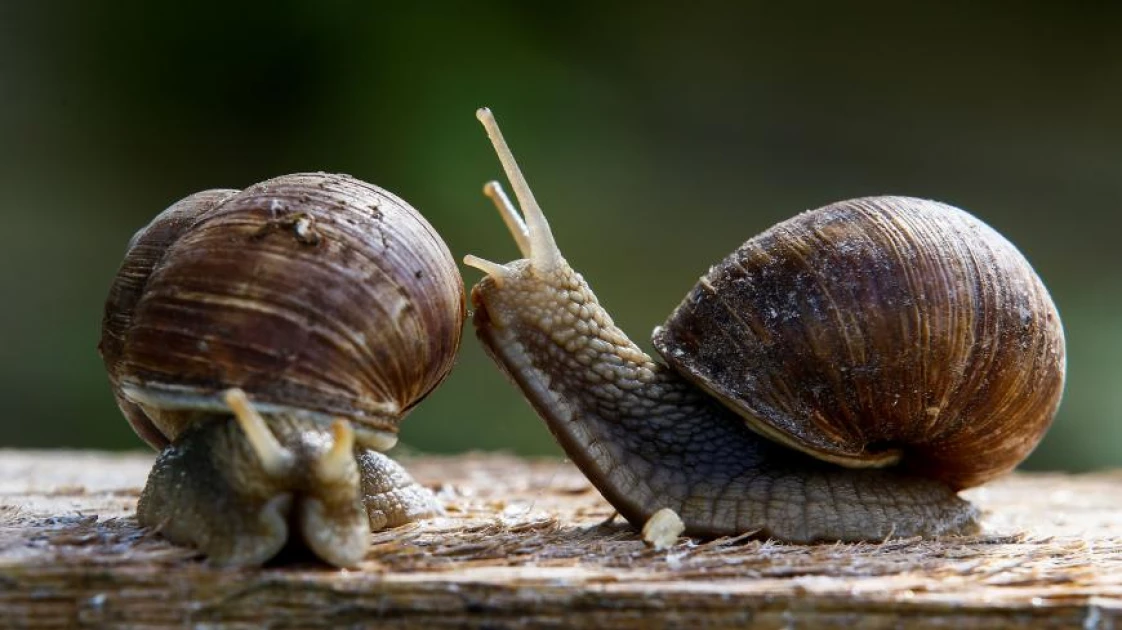
A photo of snails at a farm. | REUTERS/Vasily Fedosenko

Audio By Vocalize
Rice farmers in the Mwea Irrigation Scheme are grappling with multiple challenges at the start of the planting season, with biting cold, a growing snail infestation and delays in accessing subsidized fertilizer threatening production.
Farmers say the harsh weather has forced them to adjust their work schedules, with many starting before dawn and leaving the flooded rice paddies by mid-morning to avoid prolonged exposure to the cold.
Lucy Njeri, a rice farmer in the scheme, said many farmers have developed colds and chest-related illnesses after working for hours in cold water.
"Some of us are developing colds because of working in the cold water. We have to leave the farms by 10 a.m.," she said.
Beyond the cold, farmers say they are battling a snail invasion that is destroying young rice seedlings in nurseries. They also cited inconsistent water supply in some sections of the irrigation scheme, saying the combination of challenges could affect yields if not addressed promptly.
"People see clean rice in the market, but they don't know the challenges we go through before it reaches consumers. We are dealing with the cold, snails and water shortages," Njeri said.
The farmers' concerns come as many also report difficulties accessing government-subsidized fertilizer despite being registered under the e-voucher programme.
According to Njeri and fellow farmer Charles Kinyua, subsidized fertilizer has not been available at National Cereals and Produce Board (NCPB) depots in Mwea and Sagana, even after they received SMS notifications indicating they could collect the inputs.
They also questioned the quality of some fertilizer supplied under the programme, claiming they are now forced to apply up to five bags per acre instead of the usual three to achieve the desired results.
John Munene urged the government to ensure adequate stocks of quality fertilizer are available before planting begins.
"The subsidized fertilizer should be stocked in local stores and it should meet the required quality standards. We are planting without government fertilizer, yet the President is talking about supporting farmers. As Mwea rice farmers, we feel we have been left on our own," Munene said.
Munene, Kinyua and fellow farmer James Irungu called on the Ministry of Agriculture to prioritize rice farmers, noting that they are currently in a critical planting period.
Their concerns come as President William Ruto has pledged continued government support to reduce the cost of farm inputs and boost food production.
The President said the intervention would target both the upcoming short rains season and the long rains season next year.
"This coming season, the short rains and the long rains next year, the government is going to intervene to make sure our farmers are able to go back to the farms. We are going to reduce the prices of fertilizer and reduce the prices of seed," President Ruto said.
The government has been implementing a fertilizer subsidy programme through the National Cereals and Produce Board (NCPB), reducing the price of a 50-kilogramme bag from about Sh7,000 to Sh2,500.
As planting gets underway, Mwea farmers are urging the National Irrigation Authority and the Ministry of Agriculture to address the snail infestation, improve water distribution within the irrigation scheme and ensure quality subsidized fertilizer is delivered on time to safeguard this season's crop.
Join the Discussion
Share your perspective with the Citizen Digital community.
No comments yet
This discussion is waiting for your voice. Be the first to share your thoughts!