
Coke's new bottle cap doesn't come off

Audio By Vocalize
Coke
knows that its soda caps often end up as litter. So it's trying to solve the problem by tethering them
to the bottle, at least in the United Kingdom.
Earlier
this week, the British arm of the beverage company announced that it has
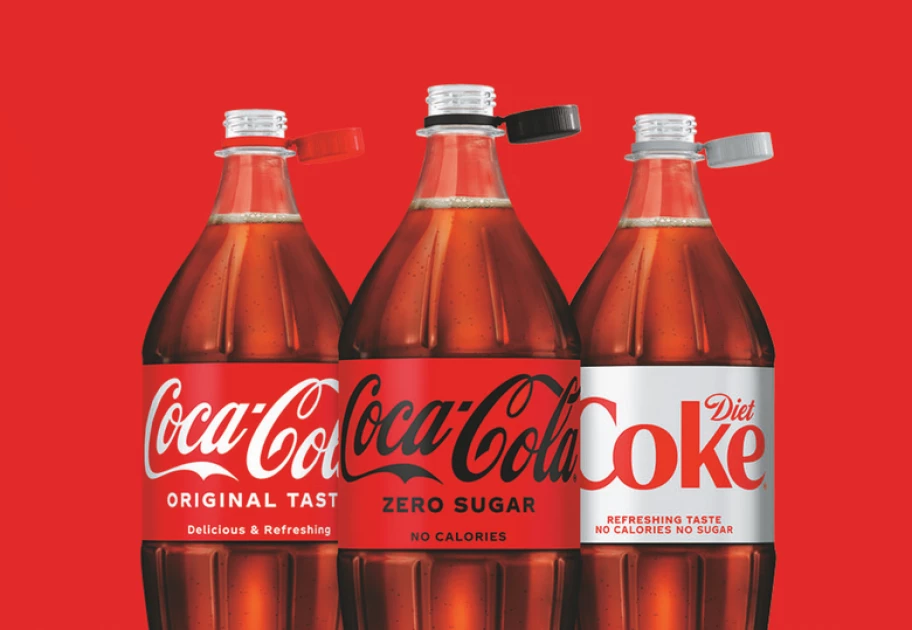
started rolling out new versions of its plastic bottles. The new bottles
feature an attached cap, a design that is supposed to make it easier to recycle
the whole package at once — and keep caps out of the trash.
Plastic
bottles of Coke, Coke Zero Sugar, Diet Coke, Fanta, Sprite, Dr Pepper should
all have attached caps by early 2024, the company said. The transition only
applies to UK bottles.
"This
is a small change that we hope will have a big impact, ensuring that when
consumers recycle our bottles, no cap gets left behind," said Jon Woods,
general manager at Coca-Cola Great Britain, in a statement Tuesday.
Plastic waste is a major environmental problem.
Plastics break down into microplastics that make their way into
the air and ocean, harming marine life. They can end up in our food or lungs,
potentially leading to health problems.
It's
also a big public relations problem for companies like Coke. When the company's
bottles or caps end up on beaches or in landfills, consumers recognize them as
Coke products, tarnishing the brand's reputation. As a result, more firms are
taking steps to try to reduce their waste.
Companies
have more to worry about than their reputations and the health of the planet --
there's also the threat of government regulations. The European Union, for
example, is requiring that caps be attached to some plastic bottles as part of
its directive on
single-use plastics. Companies have until the end of 2024 to comply.
Coke's
latest move in the UK is part of its global "World Without Waste"
initiative, which lays out a 2030 goal of helping to collect and recycle empty
bottles or cans for each one the company sells. It also plans to make its cans
and bottles with 50% recycled material by 2030, and to make packaging 100%
recyclable by 2025.
Some
environmentalists criticized Coca-Cola's efforts, saying they fall short.
"Whether
their plastic caps are tethered or not, the company still produces billions of
throwaway plastic bottles every year, harming our environment, our communities
and our climate, and impacting our health," said Graham Forbes, global
plastics project lead at Greenpeace USA.
Rather
than focus on recycling, an imperfect solution, many environmentalists advocate a
switch to reusable containers.
"If
they truly want to solve the plastic and climate crisis, Coca-Cola must focus
on reducing plastic by doubling its reuse and refill packaging target to 50% by
2030," said Forbes.
Join the Discussion
Share your perspective with the Citizen Digital community.
No comments yet
This discussion is waiting for your voice. Be the first to share your thoughts!