
Bolt announces 6% fare increase after fuel price hike
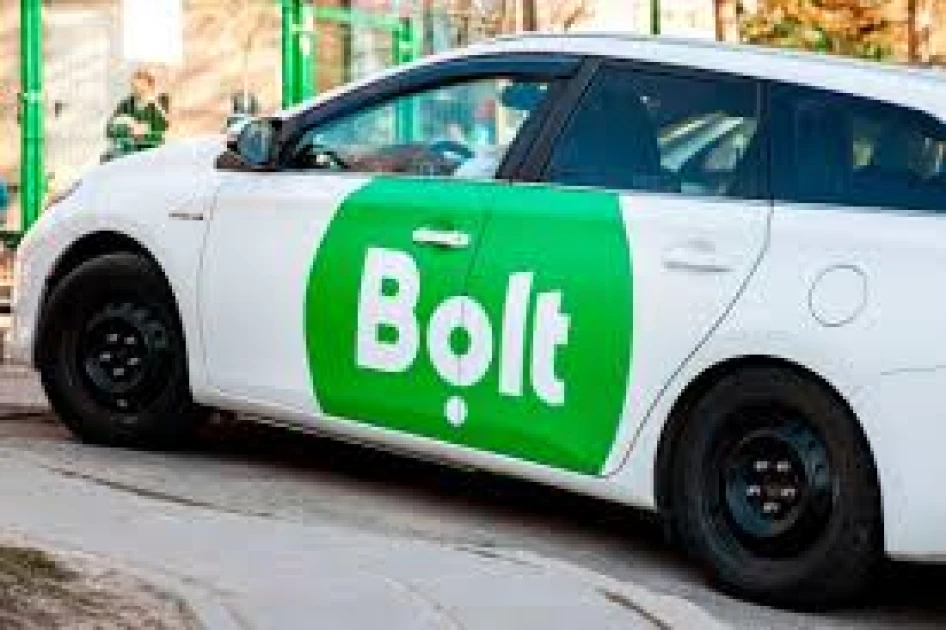
A taxi bearing Bolt logo pictured on the street. Photo: Courtesy

Audio By Vocalize
Bolt on Tuesday announced a 6% increase in fares after a price adjustment to cushion drivers following sustained increases in fuel costs.
As of April 16, 2026, the Energy and Petroleum Regulatory Authority (EPRA) set the maximum retail fuel prices in Nairobi to Ksh.197.60 for Super Petrol, Ksh.196.63 for Diesel, and Ksh.152.78 for Kerosene. This will be in effect until May 14, 2026, when the authority will announce new adjustments.
According to the on-demand mobility company, the fare hike follows feedback and concerns raised by driver partners regarding the rising cost of operations.
Dimmy Kanyankole, Senior General Manager, Rides, East Africa, said the 6% increase not only cushions drivers but also enables customers to continue enjoying affordable rides.
“Our driver partners are at the heart of our platform, and their ability to earn sustainably is critical to the entire ecosystem. This fare adjustment is part of a broader effort to respond meaningfully to their concerns, particularly around fuel prices, while ensuring that our service remains accessible and dependable for riders,” said Kanyankole in a statement sent to newsrooms on Tuesday.
When EPRA announced a fuel hike in April, online taxi operators in Kenya declared a new minimum fare of Ksh.450 for trips covering up to 3 kilometres. This decision was, however, not ratified by ride-hailing platforms in Kenya, leaving the prices unchanged for users.
While announcing the price changes, Bolt said it was actively engaging drivers to understand the economic pressures on the ground and come up with solutions to sustain business operations.
“We understand that price changes affect both drivers and riders, and we have taken a thoughtful approach to ensure that this adjustment supports the sustainability of our platform for everyone,” added Kanyankole.
The General Manager argued that “better-paid drivers mean more drivers on the roads, leading to shorter wait times, improved service quality, and a more consistent rider experience.”
In two days, Kenyans expect to get a monthly review of fuel prices by EPRA.
Uncertainties surround these costs due to the unrest in the Middle East, which has disrupted global fuel supply.
President William Ruto, in mid-April, announced that the government would provide Ksh. 6.5 billion to cushion Kenyans from high fuel prices.
The National Assembly also reduced Value Added Tax (VAT) on fuel products from 16 per cent to 8 per cent to further moderate prices.
Join the Discussion
Share your perspective with the Citizen Digital community.
No comments yet
This discussion is waiting for your voice. Be the first to share your thoughts!