
AI can predict cancer patients’ survival chances using a single facial photograph, study finds

Audio By Vocalize
The technology, developed by researchers at Mass General Brigham in Boston, could offer doctors an additional tool for assessing patients' health and determining appropriate treatment approaches.
According to a study published in The Lancet Digital Health, the AI models were developed using more than 40 million facial images representing people of different ages and ethnic backgrounds.
The researchers found that certain facial features could provide clues about a patient's overall physical condition and risk of death, particularly among those undergoing cancer treatment.
One of the models, known as FAHR-FaceAge, estimates a person's biological age based on facial appearance, while another, FAHR-FaceSurvival, combines facial features with clinical information to assess survival risk.
Unlike chronological age, which measures the number of years a person has lived, biological age generally refers to the condition of the body relative to its actual age.
The study found significant differences in mortality rates among patients classified into different risk categories.
Among 122 cancer patients identified by the survival model as having a high risk of death, 52.5 per cent died within 90 days of assessment.
In comparison, approximately two per cent of the 975 patients classified in the lowest-risk category died within the same period.
The biological age model also revealed notable differences.
Researchers found that 21 per cent of 1,060 patients whose estimated biological age exceeded their chronological age by more than 20 years died within 90 days.
That figure fell to approximately six per cent among 4,195 patients whose estimated biological age was at least 10 years younger than their actual age.
Dr. Raymond Mak, a radiation oncologist at Mass General Brigham Cancer Institute and one of the study's authors, said the findings demonstrated the potential of facial analysis in identifying patients at greater risk.
“I was pretty surprised to find out that we could pick up signs of mortality risk from just a facial photograph,” Mak said.
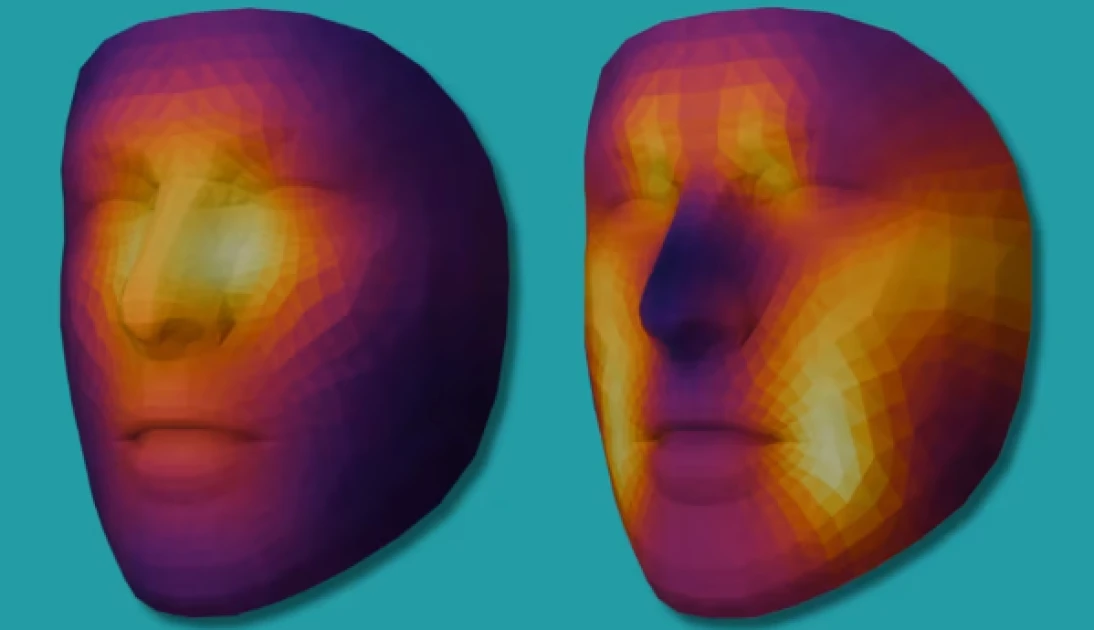
According to the researchers, the biological age model focuses on facial regions including the forehead, temples, areas above the eyes and lines extending from the nose to the corners of the mouth.
The survival prediction model, however, places greater emphasis on the bridge of the nose and the areas beneath the eyes.
Interestingly, the researchers noted similarities between these facial indicators and observations made by ancient Greek physician Hippocrates, who associated sunken eyes, prominent noses and hollow temples with declining health.
The study also found that cosmetic procedures, including Botox injections and facial surgery, as well as makeup, did not significantly affect the models' performance.
Despite the findings, researchers cautioned that the technology remains experimental and should not replace medical examinations or doctors' clinical judgement.
Independent experts also warned that identifying statistical associations between facial appearance and mortality does not necessarily establish the biological processes responsible for those associations.
Professor Miroslaw Bober of the University of Surrey said the technology had demonstrated promising results but required further evaluation before being introduced into routine clinical practice.
He noted that the AI estimates age from facial appearance rather than directly measuring biological ageing.
Other experts called for additional testing across different populations, including people of varying ages, skin colours and facial characteristics, to establish the reliability of the technology.
Researchers believe further studies could determine whether similar facial analysis techniques might eventually help identify health risks among people without cancer.
For now, the findings suggest that facial photographs could become a supplementary source of information in cancer care, although more research is needed to establish their clinical value.
Join the Discussion
Share your perspective with the Citizen Digital community.
No comments yet
This discussion is waiting for your voice. Be the first to share your thoughts!