
Aga Khan University Hospital introduces non-invasive prostate treatment
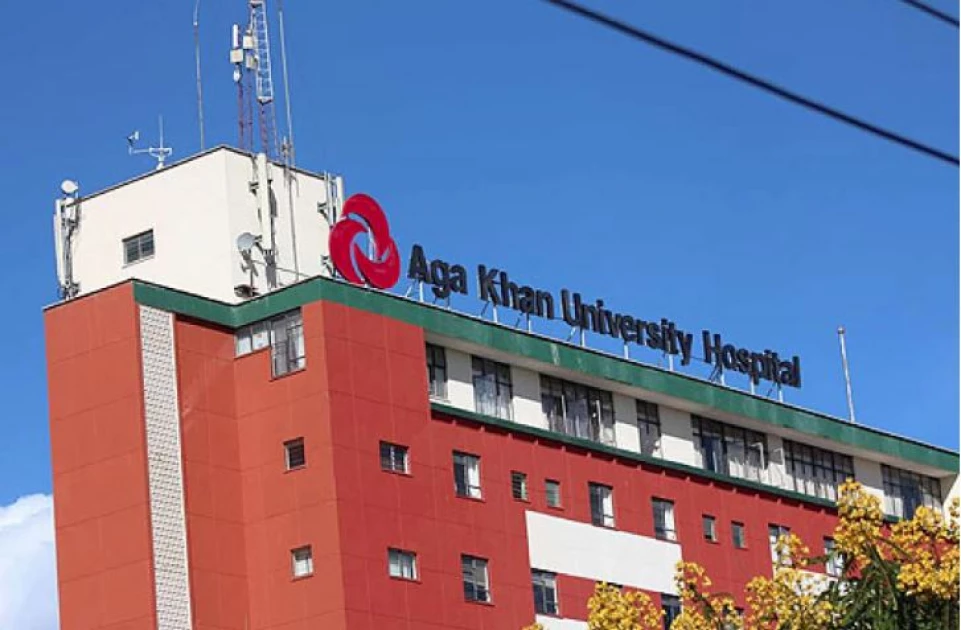
File image of Aga Khan University Hospital in Nairobi.

Audio By Vocalize
The Aga Khan University Hospital now says it has introduced a new minimally invasive treatment for enlarged prostate, offering Kenyan men an alternative to conventional surgery and long-term medication.
The treatment,
known as Rezum Water Vapour Therapy, uses condensed steam to shrink enlarged
prostate tissue, helping relieve urinary symptoms associated with Benign
Prostatic Hyperplasia (BPH), a condition that commonly affects men over the age
of 40.
Speaking during
the launch, Aga Khan University Hospital urology specialist Dr. Amadadin Alhlib
said the hospital receives a large number of patients suffering from urinary
complications linked to prostate enlargement.
"We see a lot
of men over the age of 40 present with lower urinary tract symptoms induced by
an enlarged prostate," said Dr. Alhlib.
"Enlargement
of the prostate could induce blocking of the urinary system or the bladder
outlet which leads to symptoms such as frequent urination, waking up at night
severally, a strong urge to urinate, weak urine flow and inability to empty the
bladder."
BPH, though
non-cancerous, can lead to serious complications including urinary tract
infections, bladder stones and reduced kidney function if left untreated.
Current treatment
options such as medication and surgery have also been associated with side
effects including bleeding, erectile dysfunction and ejaculation complications.
According to the
Kenya Demographic and Health Survey (KDHS), more than 14,400 men aged between
15 and 54 reported receiving a prostate-related diagnosis in 2022, yet only 14
per cent said they were undergoing treatment.
Prostate cancer
remains the most prevalent cancer among men in Kenya, while awareness and
screening for other prostate conditions such as BPH remain relatively low.
Dr. Alhlib said
the new procedure is suitable for patients with enlarged prostates ranging
between 30 and 120 grams and can be performed under general anaesthesia or mild
sedation.
"It is ideal
for young patients because the treatment preserves sexual function and is also
recommended for elderly patients that might have complications with surgery
under general anaesthesia," he said.
The outpatient
procedure takes between 10 and 15 minutes and requires no surgical incisions.
Clinical studies have shown patients reporting up to a 50 per cent improvement
in symptoms within weeks of treatment, with nine out of ten avoiding further
surgery.
The therapy offers
an alternative to conventional procedures such as Transurethral Resection of
the Prostate (TURP), which involves the removal of prostate tissue and is often
associated with longer recovery periods and a higher risk of complications.
However, Dr.
Alhlib cautioned that the treatment is not suitable for all prostate-related
conditions.
"Rezum is
only used for benign enlargement of the prostate and cannot be used for
prostate cancer, patients with urinary symptoms not caused by an enlarged prostate
or those with an infection," he said.
The introduction
of the technology places Kenya among a growing number of countries adopting
minimally invasive treatments aimed at improving patient outcomes while
reducing hospital stays and recovery times.
Join the Discussion
Share your perspective with the Citizen Digital community.
No comments yet
This discussion is waiting for your voice. Be the first to share your thoughts!