
African media leaders call for new AI, revenue and ownership models


Audio By Vocalize
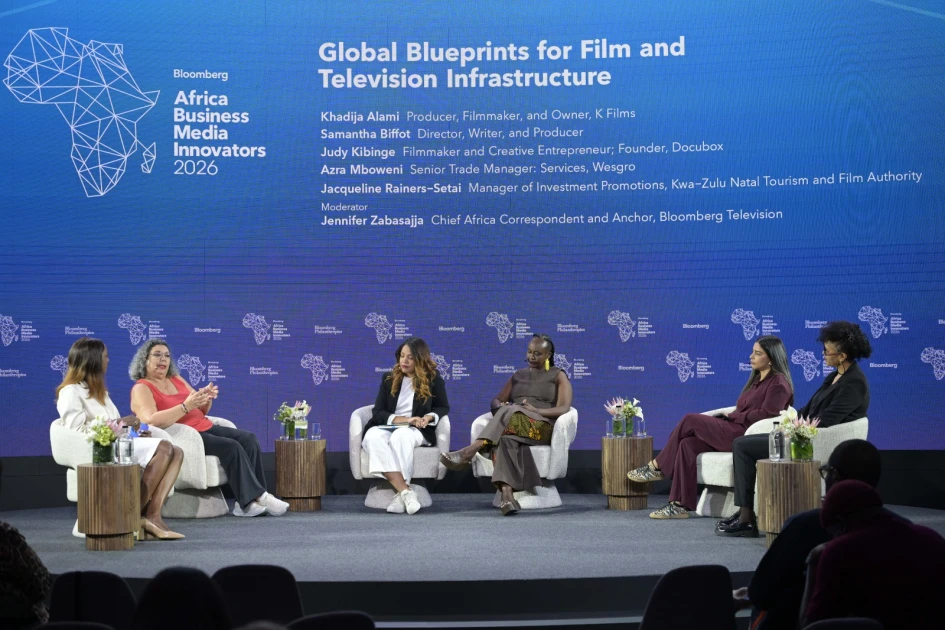
The call was made during the 2026 Africa Business Media Innovators (ABMI) convening in Cape Town, organised by Bloomberg, where journalists, media executives, creators and international partners discussed the future of Africa’s media sector.
Participants identified three key priorities for the industry: turning the growing reach of African content into sustainable revenue, strengthening African ownership of intellectual property and cultural narratives, and adopting artificial intelligence responsibly while protecting editorial independence.
The discussions come as media organisations across Africa face pressure to develop sustainable digital business models amid changing patterns of news consumption and increased competition for audiences and advertising revenue.
For East African media markets, the discussions highlighted questions around how newsrooms can monetise digital audiences, ensure creators and publishers retain value from their content, and integrate AI without undermining public trust in journalism.
South Africa’s Deputy Minister of Communications and Digital Technologies, Mondli Gungubele, said digitisation had created an opportunity for African voices to reach global audiences more directly.
“Africa has been reported on by other people, but the digital age gives this continent something extraordinary. The ability to speak to the world without asking anybody for permission. That changes the game completely,” Gungubele said.
He said digital platforms had created an opportunity for African ideas to reach international audiences without requiring external validation.
Participants also examined the role of the media industry in Africa’s wider economic growth, with Bloomberg data presented at the meeting indicating that sub-Saharan Africa’s growth had accelerated since 2025 compared with emerging markets and developing economies combined.
The meeting argued that media should be part of this growth story by providing reliable information, strengthening accountability and supporting informed economic decision-making.
The participants called for greater collaboration among African media organisations to share expertise and strengthen the investment case for the continent’s media and creative industries.
Five areas of focus emerged from the discussions: using AI to support rather than replace editorial judgement; increasing African ownership of intellectual property and narratives; developing payment and distribution infrastructure that can convert audience reach into revenue; supporting the continent’s creative economy; and strengthening links between traditional newsrooms and content creators.
Erana Stennett, Bloomberg Corporate Philanthropy Lead for Africa and the Middle East, said cooperation among industry stakeholders would be important in determining the future direction of African media.
“Africa's media's future must be shaped not only by the forces acting upon it, but by African journalists, editors, media owners, entrepreneurs, creators, investors, business and public leaders working together,” Stennett said.
The 2026 ABMI convening marked the 10th edition of Bloomberg’s programme, which brings together media leaders from across Africa to discuss challenges and opportunities facing the industry.
The programme is part of the Bloomberg Media Initiative Africa (BMIA), a pan-African initiative launched by Mike Bloomberg in South Africa in 2014 to support business journalism, strengthen media capacity and improve access to reliable data.
BMIA focuses on developing a more competitive media and financial reporting industry while promoting transparency, accountability and informed decision-making across the continent.
Join the Discussion
Share your perspective with the Citizen Digital community.
No comments yet
This discussion is waiting for your voice. Be the first to share your thoughts!