
Africa Media Festival 2.0 sparks dialogue on bridging the digital divide

Audio By Vocalize
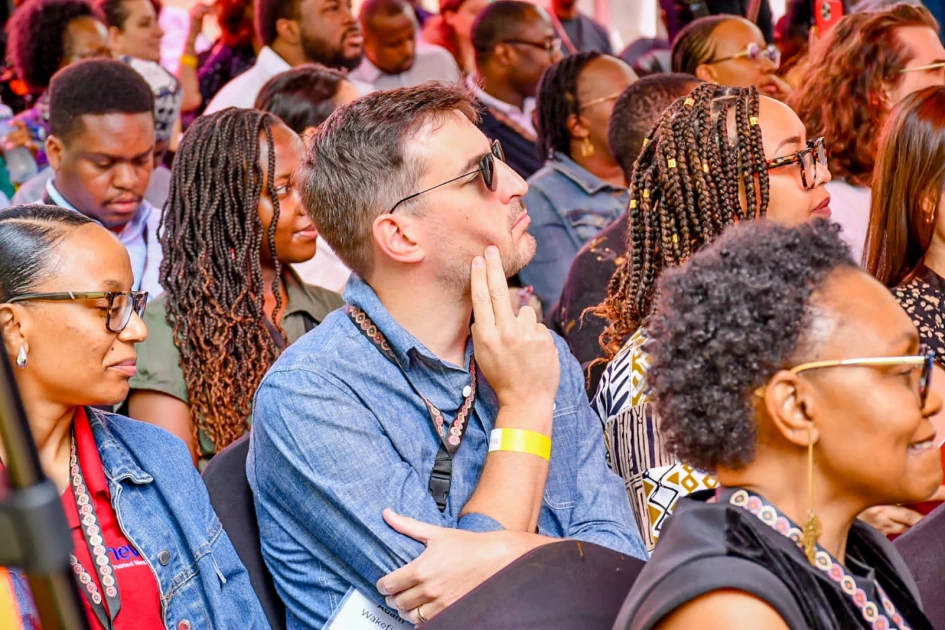
Held over two days on February 21st and 22nd, 2024, at the National Museum of Kenya, the event featured lively ignite talks, demos, unconference sessions, interactive workshops, and immersive activities—all aimed at fostering collaboration across Africa.
In a keynote address, Onica Makwakwa, Executive Director at Global Inclusion Partnership, underscored the pivotal role of media in shaping narratives, promoting inclusivity, and driving socio-economic development in Africa.
However, she also drew attention to the pressing issue of the digital divide, affecting over 60% of the continent's population—equivalent to a staggering 1 billion people—who still lack online access.
This digital exclusion poses challenges to accessing education, employment, and socio-economic opportunities, especially for African youth, who often allocate a significant portion of their income to gain connectivity, placing them at a disadvantage in the global job market.
The heart of Makwakwa's message was a call to action to bridge the digital gap. She emphasized the need for concerted efforts to expand internet access, promote digital literacy, and invest in infrastructure development.
By democratizing internet access, Africa can amplify diverse voices and democratize information, ultimately empowering marginalized communities.
Furthermore, Makwakwa stressed the importance of decolonizing innovation in African technology, challenging existing power dynamics, addressing biases, and prioritizing local knowledge and solutions.
This approach involves fostering an ecosystem that supports African entrepreneurs, innovators, and technologists in creating contextually relevant solutions to address the unique challenges faced by African communities.
The festival also shed light on the persistent digital gender gap, particularly evident in rural areas with inadequate internet infrastructure, further marginalizing women.
Efforts to bridge this gap and ensure equal opportunities for all were deemed urgent, especially in the aftermath of the COVID-19 pandemic, which highlighted inequalities in online education due to connectivity issues in Sub-Saharan Africa.
Addressing these divides requires collaborative efforts, including investment in infrastructure development, targeted digital literacy programs for women and girls, and policies prioritizing gender equality in technology access and usage.
Initiatives involving governments, private sector entities, and civil society organizations are seen as crucial in expanding internet connectivity and ensuring fair access for all, irrespective of gender or geographical location.
Makwakwa concluded her address by emphasizing the importance of Africans leading innovation in the digital sphere and urged a shift away from a Western-centric perspective.
She highlighted the dominance of English-language content online and advocated for Africans to take control of producing and curating their narratives online.
Adding to the discourse, Mamaponya Motsai's research on the African media landscape revealed concerns about financial sustainability, exacerbated by the lingering impact of COVID-19, the rise of misinformation, and evolving economic and political contexts.
Diversifying revenue streams emerged as imperative for newsroom survival, with options like training and events proving more effective than traditional subscriptions.
Eric Mugendi outlined the existential crisis facing the journalism industry, characterized by a shift from appointment viewing to fragmented digital consumption.
Social media's dominance raised concerns about algorithms prioritizing profitability over editorial integrity, potentially compromising journalism's role as a watchdog and facilitator of informed public discourse.
To tackle these formidable challenges, media organizations were urged to reassert their commitment to journalistic ethics and integrity. Upholding factual accuracy, impartiality, and transparency in reporting, irrespective of commercial pressures, is deemed paramount.
Diversifying revenue streams and reducing reliance on advertising were highlighted as measures to safeguard editorial independence, ensuring that news organizations remain accountable to their audiences.
The evolving landscape of information consumption was likened to a shift from mainstream media being a full buffet, offering in-depth information, to social media platforms as snacks, providing quick, bite-sized snippets.
This analogy highlighted concerns about the sustainability of the "snacking" approach, emphasizing the importance of maintaining a balanced information diet that incorporates both traditional and digital sources.
Mainstream media's adaptation to this changing landscape involves leveraging digital platforms, optimizing content for shareability and accessibility, engaging directly with audiences, and fostering collaborations and partnerships.
The aim is to maintain integrity while embracing digital platforms, ensuring accurate information reaches a wide audience.
Rishad emphasized the importance of understanding diverse audience segments and catering to their preferences, indicating that the future of media lies not just in AI but in content, supply, and ads.
Media outlets were encouraged to thrive in various formats, voices, and scales, with a focus on understanding audience preferences for success.
Maya Misikir shared her experience with Sifter's newsletter, highlighting the power of community-driven journalism. By curating relevant stories for their audience, Misikir fosters engagement and relevance within their community, demonstrating the potential for localized, community-centric media ventures.
Reflecting on the historical evolution of media, Mungo acknowledged that populism and sensationalism have often overshadowed substantive journalism. In today's landscape, striking a balance between meeting audience demands for quick content and providing meaningful journalism is deemed paramount for serving underserved audiences effectively.
Amidst the vibrant discussions and workshops, it's crucial to note the existence of a dedicated secretariat managing the fund established for media sustainability. However, uncertainty looms over the government's commitment to this cause, emphasizing the pressing need for long-term planning beyond the grant's initial phase.
Looking forward, the integration of AI into newsrooms is deemed inevitable. Understanding key concepts such as machine learning and data processing is crucial for effective implementation. However, ethical considerations, including privacy and fairness, must guide AI usage to mitigate risks such as biased content and synthetic media.
The future of media, it was asserted, lies in embracing technological advancements while staying true to journalistic principles.
Join the Discussion
Share your perspective with the Citizen Digital community.
No comments yet
This discussion is waiting for your voice. Be the first to share your thoughts!