

Kenya’s Baboon Parliament, where apes show great order, structure
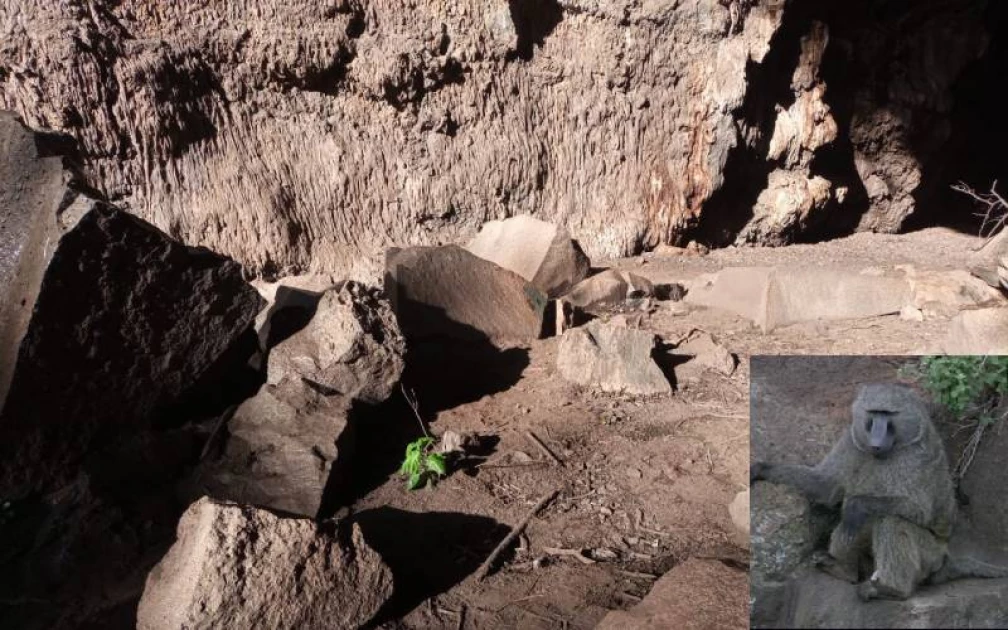
'The Baboon Parliament' in Ewaso Kedong, Kajiado county. Photo/Courtesy

Audio By Vocalize
An extraordinary phenomenon unfolds every evening in the hidden caves of Ewaso Kedong, Kajiado county. A convention of baboons, daily gathering in a cave reminiscent of an actual human ‘parliament’. It's a remarkable display of order and structure.
The parliament has two chambers within a network of caves—an upper chamber for the older baboons, and a lower one for the younger members.
The caves are arranged in such a way that they resemble a grand legislative hall, with each baboon having a designated rock to sit on, creating a pattern strikingly similar to a human parliament.

Interestingly, the caves are shared between two very different residents—baboons and a colony of bats.
As evening approaches, the bats fly out in swarms just as the baboons begin to enter. Despite their vastly different lifestyles, both species maintain a respectful coexistence, each occupying distinct areas of the caves.
The lower chamber is always bustling with activity, far busier than the upper chamber, as it is where the younger, more energetic baboons gather.
Much like young members of a human parliament who are known for their energy and loud debates, these young baboons engage in animated conversations and social interactions.
The upper chamber, on the other hand, is where the older, more reserved baboons sit, with much less activity taking place.
At the front of each chamber, there is a designated ‘Speaker's seat’. When the session begins, the baboons organise themselves, maintaining a surprising level of decorum. One by one, they take turns ‘submitting motions’ — a spectacle marked by vocalizations, gestures, and social interactions.
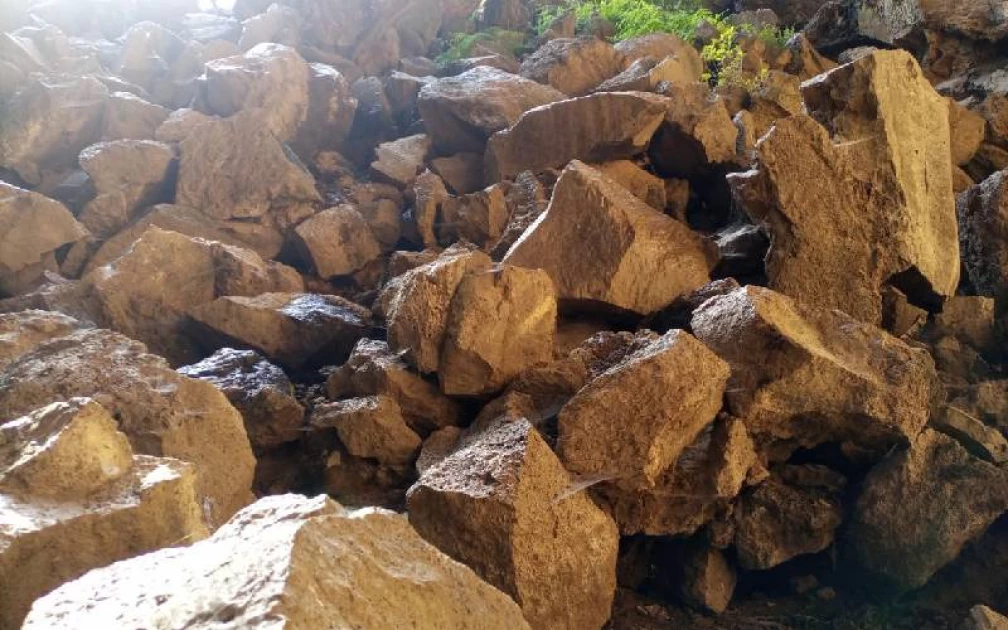
Disagreements are common, leading to loud disputes. But as chaos brew, the "speaker"—often a dominant baboon—intervenes, restoring order with displays of authority.
While their discussions are not recorded in any books or known to follow written laws, the structure and behaviour of this baboon parliament are unmistakably deliberate.
The sessions are held daily, beginning at sunset and lasting about an hour. It is believed that here they get to resolve conflicts, and strengthen social bonds.
The division between the two chambers is also fascinating. A separate path leads young baboons directly to the lower chamber, ensuring they do not disrupt the elders' proceedings in the upper one.
This tradition is so ingrained that it is followed without exception.
As night approaches, the baboons' bedtime routine is as structured as their parliament. The young ones lead the way, followed by the females, while the males remain behind for an additional ten minutes of ‘conversation’. This final round of interaction is their moment of camaraderie, before they finally disperse to sleep.
Interestingly, despite gathering in these chambers, the baboons do not actually spend the night here.
Instead, they rest on adjacent craggy rocks just within the caves or cling to protruding roots, where they secure themselves for a nap.
Additionally, visitors to these caves are advised to maintain low noise levels and respect a restricted perimeter that vehicles cannot cross, ensuring minimal disturbance to the baboons, bats, and even the birds that roost in the caves.
Although this area is not widely known for its natural attractions, there is an opportunity for the tourism industry—both county and national—to rehabilitate it as a tourist site. This could benefit the local community, who share their land with these remarkable animals.
The baboons’ parliament may not draft laws or govern a nation, but it is an impressive demonstration of natural order, communication, and social organization among our primate relatives.
Observing this assembly offers a rare glimpse into their complex world, where even chaos has its rules.
Leave a Comment