

Kenya Rugby Union in crisis as Okach faces scrutiny
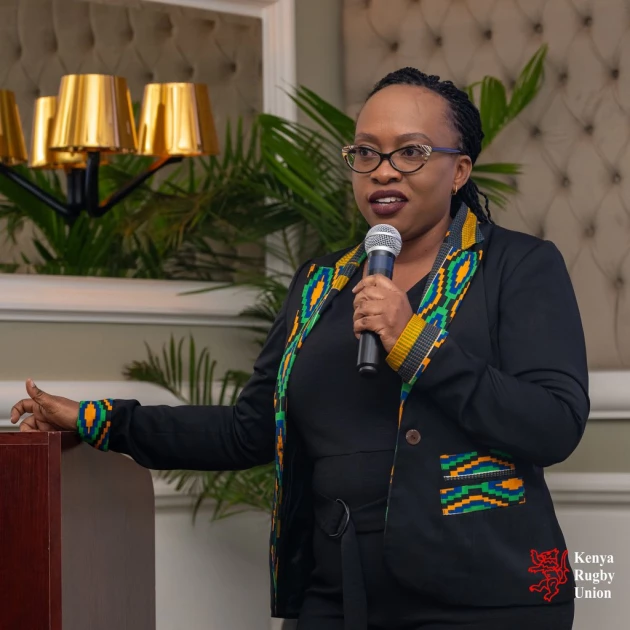
Kenya Rugby Union (KRU) Chairperson Harriet Okach. Photo courtesy of KRU.

Audio By Vocalize
Amidst this chaos, Harriet Okach has assumed the role of KRU chairperson, following the sudden and controversial resignation of her predecessor, Sasha Mutai.
In her first press briefing since taking office, Okach stressed the importance of restoring trust and confidence in the union. She also affirmed the board’s willingness to cooperate with investigations into the recent allegations.
“We have nothing to hide. We are ready to work with the necessary authorities to restore confidence in the union,” said Okach.
However, her appointment has not been without controversy. Critics have questioned her qualifications for the role, sparking a wider debate that Okach believes is rooted more in gender bias than merit.
“People think that because I am a woman, I shouldn’t be at the helm of the KRU. But people will be surprised at what I can achieve,” she said in a recent interview.
During her initial remarks as chairperson, she made a bold statement about her capabilities as a woman leader, saying women are “men’s weakness”, a comment that raised eyebrows and sparked further debate about gender and leadership.
While the discussion around gender equality in sports leadership continues, the union also faces more pressing structural issues, chief among them being financial accountability. One of the most glaring concerns involves the Kenya Lionesses, the national women’s rugby team.
Former Lionesses player Diana Omoso revealed she was allegedly removed from the squad for demanding unpaid wages.
“When I asked for my dues, I was told to either play under the current conditions or leave the team, and stop influencing others who want to represent their country,” said Omoso.
“It’s disheartening. As a national player, it’s embarrassing that I can’t even afford rent while my debt continues to pile up.”
These revelations are particularly troubling given that the union receives millions in government allocations. The situation has reignited calls for accountability, transparency, and reforms within KRU.
While the intersection of gender and leadership continues to draw attention, the core issues, unpaid athletes, lack of transparency, and leadership wrangles, must be addressed independently and urgently.
Leave a Comment