

OPINION: Policy as a catalyst for green growth in East Africa
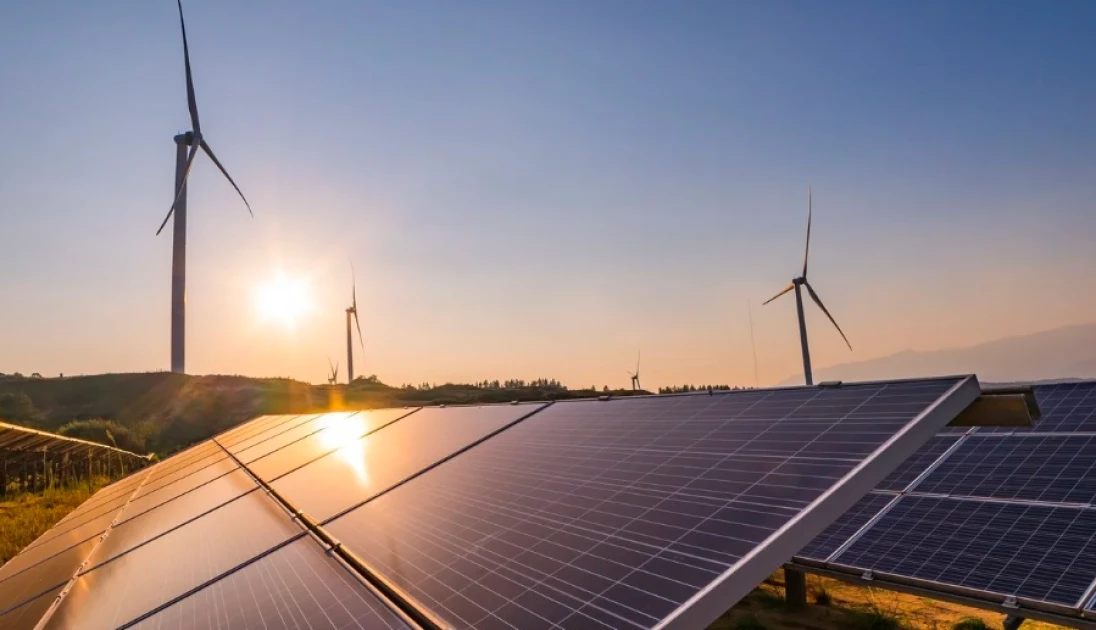
File image showing renewable energy generation PHOTO| COURTESY

Audio By Vocalize
At the heart of this transition sits one powerful but often underestimated tool: public policy. When designed well and implemented consistently, policy does more than regulate markets. It creates confidence, unlocks investment, and sets the pace for inclusive green growth. Kenya offers one of the clearest examples on the continent.
As per the International Energy Agency (IEA), nearly 90% of Kenya’s electricity generation comes from renewable sources, driven largely by geothermal, wind, hydro, and a rapidly expanding solar sector. This did not happen by chance. It is the result of deliberate policy choices made over time - choices that signalled to investors, developers, and communities that clean energy was not a side project, but a national priority.
Policies such as feed-in tariffs in the early 2010s, tax incentives for renewable energy equipment, and clear licensing frameworks helped reduce uncertainty in the market. As a result, Kenya attracted billions of dollars in clean energy investment over the past decade, positioning Nairobi as a regional hub for renewable energy development.
Solar companies serving markets from Uganda to Tanzania often base their operations in Kenya, drawn by regulatory clarity and access to skills. The impact goes beyond megawatts on the grid. Supportive energy policy has enabled new business models to flourish.
Commercial and industrial solar projects are helping factories, malls, and farms reduce energy costs at a time when electricity prices remain volatile. Minigrids and off-grid solar solutions are bringing power to communities that may otherwise wait years for grid connection.
According to recent estimates from sources including the World Bank and IEA, off-grid solar now serves hundreds of millions across Africa, with figures around 561 million people reached by off-grid solar in 2023, and the number continuing to grow rapidly, particularly in East Africa through mini-grids and standalone systems.
Uganda and Tanzania are following similar paths, each adapting policy to local realities. Uganda’s focus on mini-grids and private sector participation has expanded access in rural areas, while Tanzania’s gradual reforms are opening space for independent power producers and solar developers.
Though progress varies by country, the direction of travel is clear: governments increasingly recognise that energy policy is economic policy, with supportive frameworks accelerating off-grid and distributed solar deployment amid regional trends toward harmonised standards and investment incentives. Yet challenges remain.
One of the biggest obstacles to faster green growth is inconsistency. Investors value ambition, but they value predictability even more. Sudden changes in tax regimes, unclear approval processes, or long delays in permitting can stall projects and raise costs. In a region where capital is already expensive, policy uncertainty can be the difference between a project moving forward or being shelved.
Energy storage is a case in point. As solar penetration increases, batteries are becoming essential for stability and reliability. However, in many East African markets, storage still sits in a policy grey area, neither fully regulated nor clearly incentivised.
Without clear rules on tariffs, grid connection, and ownership models, adoption will remain slower than the technology allows. At a continental level, the opportunity is even larger.
According to IEA and Global Solar Council, Africa is home to 60% of the world’s best solar resources, yet accounts for less than 5% of global solar capacity. Bridging this gap will require far more than technology. It will require policy frameworks that lower risk, protect consumers, and encourage local participation.
Encouragingly, initiatives such as the African Continental Free Trade Area (AfCFTA) offer the potential to harmonize standards, reduce costs, and create regional clean energy markets that are more attractive to investors. Importantly, green growth is not just about power generation. It is about jobs, skills, and value creation.
According to the latest Renewable Energy and Jobs Annual Review 2025 from IRENA and ILO, the renewable energy sector already employs over 16.6 million people globally, with Africa’s share growing steadily, estimated at around 344,000 jobs in 2024 and rising through offgrid and utility-scale projects.
In Kenya alone, the solar value chain, from installation and maintenance to financing and manufacturing, supports tens of thousands of livelihoods. Policies that support local manufacturing, training, and technology transfer can ensure that the energy transition delivers broad-based economic benefits.
For policymakers, the task ahead is not to reinvent the wheel, but to refine it. Clear targets, transparent rules, and open engagement with the private sector can accelerate progress dramatically. For the private sector, the message is equally clear: policy engagement matters.
Markets do not shape themselves. Constructive dialogue between governments, developers, financiers, and communities is essential to ensure that regulation keeps pace with innovation.
As East Africa looks ahead, events such as Intersolar Africa provide more than a platform for showcasing technology. Scheduled for 3-4 February 2026, at the Sarit Expo Centre in Nairobi, the event creates space for these critical policy conversations to happen, across borders, sectors, and perspectives.
It reminds us that the energy transition is not a single project or policy, but a collective journey. In the end, green growth will not be delivered by solar panels alone. It will be delivered by the choices governments make today, the confidence those choices create, and the partnerships they enable.
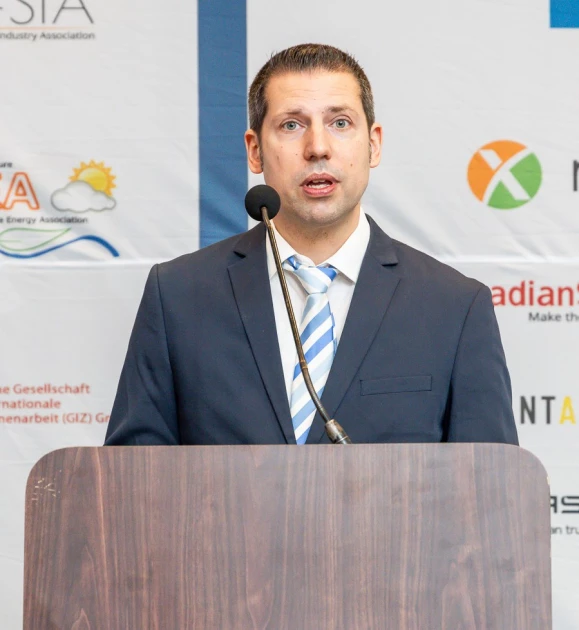
In East Africa, the foundations are already in place. With policy as a true catalyst, the region has the chance not only to power its future but to shape it. Dr Florian Wessendorf invites dialogue on Africa's solar future. Connect on LinkedIn or visit intersolar.co.ke for the latest updates on Intersolar Africa 2026.
The writer, Dr Florian Wessendorf, is Managing Director, Solar Promotion International GmbH
Leave a Comment