
OPINION: Menstrual health matters - Why it deserves more than products and silence

Audio By Vocalize
We never forget the
day we had our first period. We remember not just what happened to our bodies,
but how the world around us reacted. Or didn’t.
Some of us were
given vague instructions while others were told not to speak about it. If you
were lucky, you got a bit of guidance, but honestly it seems most of us learned
through trial and error. The lasting message was that menstruation was
something to hide. That silence hasn’t gone away.
Yes, there is more
public discussion than before. But most of it still focuses on one thing: access
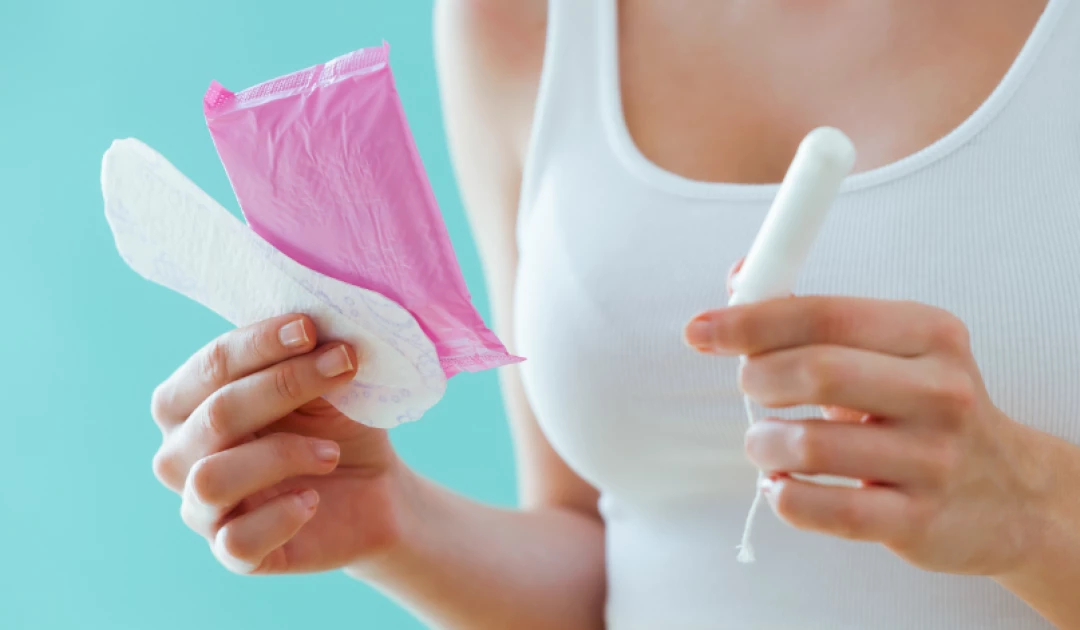
to products. This definitely matters. Pads and tampons should be available and
affordable. No one should miss school or work because they don’t have what they
need. But menstrual health is about more than what we use to manage the
physical flow of blood.
It’s about how we
feel, and whether we are taken seriously when something is wrong. Many people
live with menstrual disorders they’ve never heard of. Heavy bleeding, extreme
pain, mood changes, and infertility are often dismissed as “just part of being
a woman.” Conditions like fibroids, endometriosis, and Premenstrual Dysphoric
Disorder are common, yet are rarely diagnosed early. The saddest part is that some never
get a diagnosis at all.
In low-resource settings, the silence is even deeper. We’ve met girls who miss class each month and fall behind. Women who keep working through pain because they can’t afford to stop, and therefore are not working at 100%.
Health workers who don’t know
what to look for or what to say are in fact encouraged to dismiss what
women are experiencing as 'normal'. The result of this approach to women’s
health is not just discomfort. Women and girls experience missed opportunities,
financial implications, and poor quality of life with some experiencing
significant negative mental and physical health impacts.
In the workplace,
menstruation can be the hidden reason a woman is absent or underperforming. A
survey in Rwanda found nearly 23% of employed women had missed work due to a lack
of menstrual product. Women in informal jobs who have to take a day off lose
income they can’t afford.
Some women stop
applying for permanent jobs because they worry about managing heavy flow in
public or the missed days due to debilitating pain. Some students drop out
because they fall too far behind, and many of us go years without understanding
that their pain is not normal. This is what happens when menstrual health is
left out of the health agenda.
In Kenya, Uganda and other African countries, reusable pads and menstrual cups are being distributed through schools and women’s groups. Schools are also starting to train teachers to talk openly about periods.
The East African Community has
taken early steps to set shared standards for menstrual products and countries
like Rwanda and South Africa have removed taxes on pads. These are small but
important steps because the trickle from the tap has started. But we’re still
far from where we need to be, because there’s barely any public health
investment in menstrual health, and most health workers aren't trained to
recognize menstrual disorders. We need to move to the next step and open the
tap fully.
So, what still
needs to happen?
- Funding menstrual
health as part of sexual and reproductive health, not just under education or
WASH. We need to address menstrual disorders such as endometriosis and
recognise their debilitating effects on quality of life.
- Train health
workers to not only identify but correctly manage menstrual disorders with the
same urgency as other conditions.
- Support policies
that give people flexibility during their period, including menstrual leave
where needed and developing workplace policies.
- Bring men and boys
into the conversation, not as bystanders, but as supporters and leaders.
What would your school or clinic look like if menstrual pain was treated seriously?
What would change if periods were no longer whispered about, but addressed with
the same clarity as any other health issue?
Each of us can help
by talking about periods without discomfort. Share correct information. Listen
when someone says they are in pain. Small actions like these build trust and
shift how we see menstrual health. You don’t need to be a health expert to make
a difference. You just need to care enough to stop pretending this doesn’t
matter.
Menstrual health
belongs in every conversation about health and is part of public health. It’s
time we treated it that way.
The Writer is an
obstetrician-gynaecologist and global health specialist
Leave a Comment