

OPINION: AI-proof careers - Skills training in the digital era
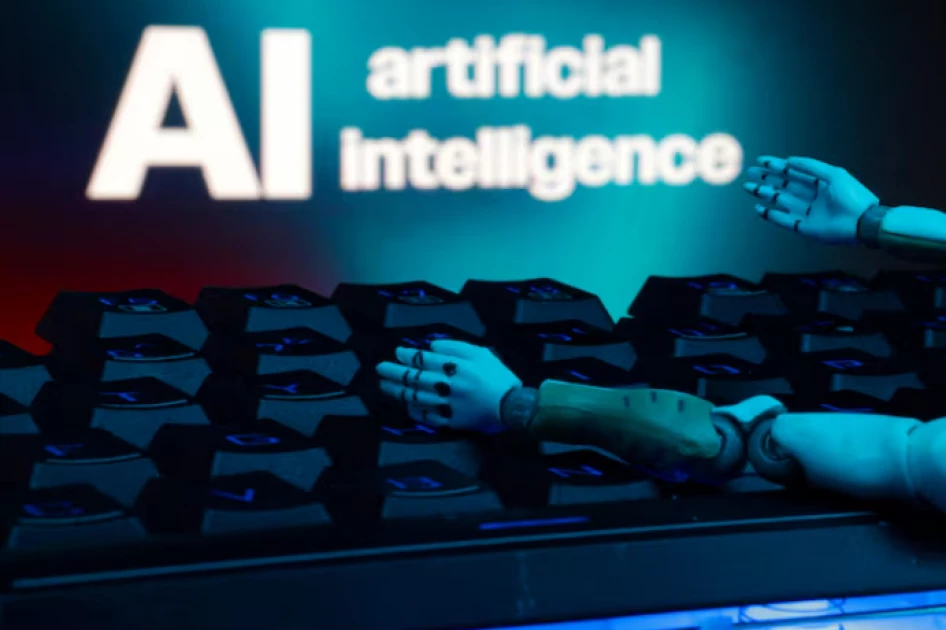
A message reading "AI artificial intelligence", a keyboard, and robot hands are seen in this illustration taken January 27, 2025. REUTERS/Dado Ruvic/Illustration/File Photo

Audio By Vocalize
Every year on July 15th, the world marks World Youth Skills Day. A moment to recognize the vital role that skills development plays in preparing young people for employment, decent work, and entrepreneurship. In 2025, the theme “Youth Empowerment through AI and Digital Skills” is especially timely.
Technology is changing everything. Artificial intelligence and digital tools are transforming how we live, learn, and work. To stay competitive, young people must build the digital skills needed in this new world of work.
In Kenya, youth unemployment remains high. At the same time, many industries struggle to find qualified workers. As some jobs disappear and others evolve, technical and vocational education and training (TVET) is proving to be one of the most reliable ways for young people to build strong and lasting careers.
TVET equips learners with hands-on, job-ready skills that machines can’t easily replace. Today, those who combine technical expertise with digital literacy are more adaptable, innovative, and employable.
Kenya’s partnership with Germany and Finland through the Youth Employment and Vocational Training programme, implemented by the Deutsche Gesellschaft für Internationale Zusammenarbeit (GIZ), is helping close the skills gap. The dual training model connects training institutions with companies, aligning skills with real industry needs.
Currently, over 5,000 students are enrolled in 93 vocations across 60+ national TVET institutions, working in partnership with 1,500+ companies. These numbers reflect the growing success of our efforts in bridging the skills gap and empowering youth with skills for employability.
A major strength of the dual training programme is that it places students in real work environments. Many partner companies use more advanced tools than those in training institutions. This practical exposure sharpens digital skills and prepares learners for today’s job market. In a country like Kenya, where TVET resources are stretched and the youth population is rising, this model is both timely and effective.
The programme also invests in trainers. In partnership with the Kenya School of TVET (KSTVET), it promotes blended learning, combining online and in-person teaching. The KSTVET Dual TVET Academy is helping instructors adopt these new methods across the country.
While the TVET sector must continue to build digital skills and embrace blended learning, the demand for hands-on professionals remains strong.
These are the people who build houses, install electrical systems, weld metal structures, repair engines, troubleshoot mechatronic systems, manage construction sites, set up solar energy systems, and support automation processes in manufacturing just to name a few. These TVET skills blend physical expertise with digital know-how. They require hands-on experience, critical thinking, and adaptability; qualities that artificial intelligence cannot easily replace.
There’s also growing demand for professionals whose work depends on the human touch. For instance, careers in nursing, hospitality, hairdressing, caregiving, and customer service rely on empathy, communication, and emotional intelligence. Again, qualities that no machine or AI can truly replicate.
To keep TVET relevant, Kenya must keep pace with digital change. As automation and AI reshape industries, the skills needed for work are shifting fast. TVET must match this speed.
Digital tools make learning more practical, flexible, and accessible, especially for youth in remote areas. Additionally, blended learning expands access and builds both technical and digital skills.
TVET is not a fallback. It is a powerful and smart pathway to meaningful careers. It gives young people the ability to build, create, solve problems, and grow in a changing world. On this World Youth Skills Day, the message is clear: Kenya must keep investing in digital skills through TVET to unlock the full potential of its youth.
By Pirkka Tapiola, Ambassador of the Republic of Finland and Alexander Fierley, Chargé d’Affaires a.i. of the Federal Republic of Germany.
Leave a Comment