

Pharmacy Board dismisses claims of drug import ban
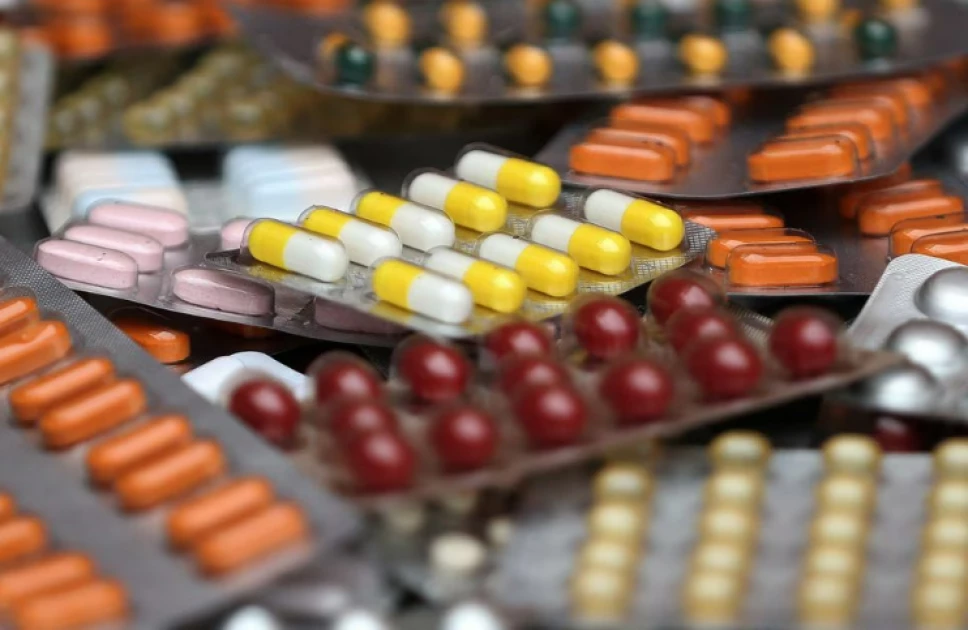
Illustration photo shows various medicine pills in their original packaging. | REUTERS/File Photo

Audio By Vocalize
Reports that the Pharmacy and Poisons Board (PPB) plans to
block the importation of more than 21,000 medical products are false and meant
to cause “unwarranted public anxiety”, the body said on Sunday.
PPB, the national medicine regulator, said there is no
blockade of medicines in Kenya, even as the Kenya Pharmaceutical Distributors
Association (KPDA) warns that pharmacy shelves across the country could run
empty in just two weeks.
“The claim that Kenya is on the brink of a medicines crisis
is false, misleading, and intended to cause unwarranted public anxiety,” it
said in a statement, adding that Kenya still has access to thousands of
approved medical products.
KPDA says PPB’s recent reconfiguration of its importation
portal, part of Kenya’s push for ML3 status and compliance with WHO standards,
has locked out more than 21,000 essential medicines.
While the changes were meant to enhance oversight,
distributors argue the result has been counterproductive, threatening access to
life-saving drugs.
Among those staring at a crisis, the association says, are
over 1.5 million diabetics who need insulin, more than 2 million hypertensive
patients, and at least 1.4 million Kenyans on HIV treatment.
Cancer patients, already grappling with high chemotherapy costs,
could also face dire consequences.
Yet PPB says about 9,000 registered medical products that
comply with quality, safety, and efficacy standards remain available for
manufacture, importation, and distribution in the country.
“These products are not affected in any way, and therefore,
there is no cause for concern regarding medicine shortages,” said the board.
“The Board continues to work closely with all local
manufacturers, importers, and healthcare stakeholders to ensure continuous
access to essential and life-saving medicines for all Kenyans.”
It said all marketing authorisations are subject to renewal
every five years, which ensures that only products that meet updated global
standards remain in circulation.
“This renewal process is a routine regulatory measure, not a
ban or restriction on medicines,” the statement read.
The regulator reported that its ongoing campaign to
eliminate unregistered, falsified, and substandard products has faced pushback
from “a few unscrupulous individuals and cartels” seeking to protect their
interests.
Market authorisation holders have until December 31 to renew
their product registrations.
Kenya is under review by the World Health Organisation (WHO)
in a regulatory audit to determine if the country can attain Maturity Level 3
(ML3) status, WHO’s mark of a stable and well-functioning regulatory system for medical products within a country.
Achieving ML3 validates a country's regulatory framework,
allowing local manufacturers to participate in global supply chains and
improving access to quality health products for its population.
Leave a Comment