

Dentsu Kenya launches second cohort of School of Influence
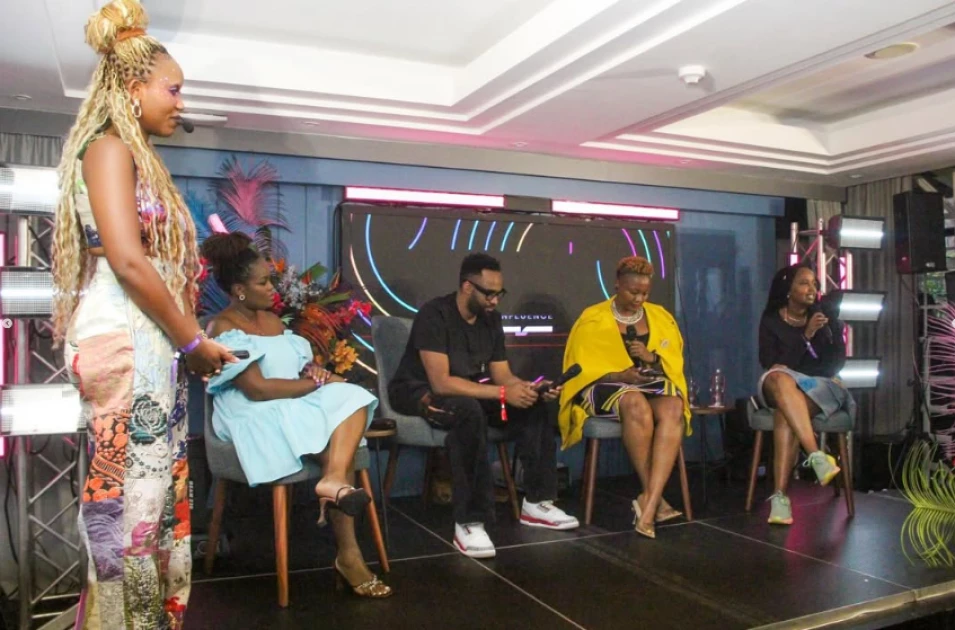
Dentsu Kenya executives during a panel session at the launch of the second cohort of the School of Influence on March 24, 2026.

Audio By Vocalize
Dentsu Kenya has officially launched the second cohort of its School of Influence programme, signalling a renewed push to shape the country’s fast-growing creator economy.
The launch, held on
Tuesday evening at a Nairobi hotel, brought together industry
players, creatives and aspiring influencers, with organisers positioning the
initiative as a bridge between content creators and brands in an increasingly
competitive digital space.
Speaking during
the event, Dentsu Kenya Co-CEO Samantha Kipury said the programme was born out
of a clear gap in the market, where many young creatives struggle to access
brands and monetise their talent.
She noted that the
initiative not only trains creators but also connects them directly to
commercial opportunities.
The programme
focuses on nurturing a new generation of influencers grounded in strategy,
authenticity and cultural relevance, at a time when audiences and brands are
shifting away from vanity metrics such as follower counts toward meaningful
engagement.
The second cohort
builds on the success of the inaugural 2025 class, which saw 40 young talents graduate and collectively secure dozens of brand deals.
The first cohort
was supported by major brands including NCBA, DTB, L’Oréal, HMD and EABL,
reflecting growing corporate interest in influencer marketing as a viable
channel for reaching audiences.
The School of
Influence is part of Dentsu’s broader strategy to professionalise the
influencer space by equipping creators with skills in content strategy, ethics,
audience engagement and monetisation, while also exposing them to real-world
brand collaborations.
Dentsu Kenya
Co-CEO Joel Rao, also speaking at the event, emphasised that the programme is
designed not just as a training ground, but as a structured ecosystem that
gives creators purpose and direction.
He added that
technology, particularly artificial intelligence, will play a key role in
shaping the future of influence, adding that it is expected to complement - not
replace - human creativity.
With Kenya’s
digital landscape continuing to expand, the initiative comes at a time when
influencer culture is increasingly seen as both a cultural force and an
economic opportunity, especially for young people seeking alternative career
paths.
As the second
cohort begins its journey, Dentsu is betting that the future of influence will
not be measured by who shouts the loudest online, but more by who truly
connects.
Leave a Comment