

Pathological liars: How to spot one, why it takes longer to leave, and how to cope in such relationships
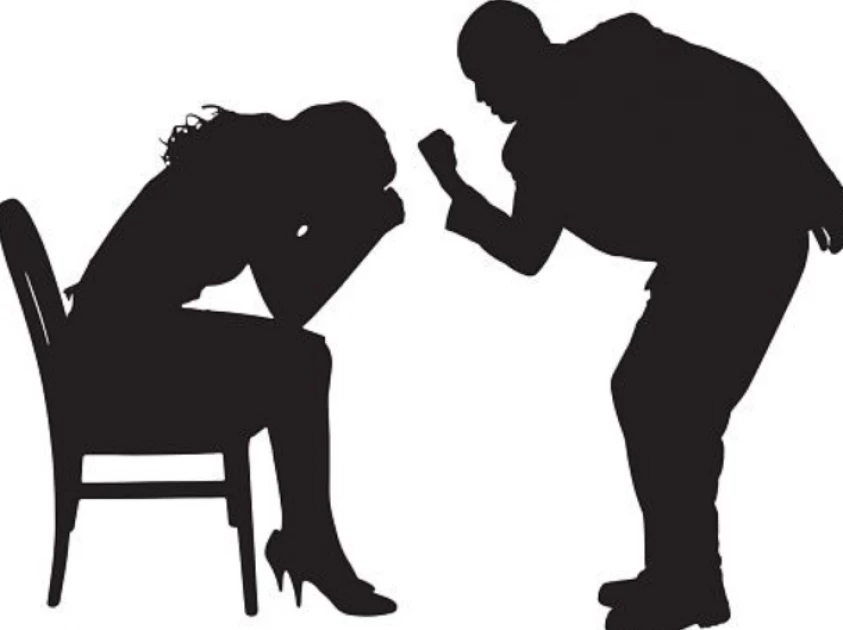
A silhouette of a couple arguing. PHOTO | COURTESY

Audio By Vocalize
A 50-part TikTok series dubbed ‘Who TF did I marry’
has taken the internet by storm, leaving millions of netizens (mostly women)
glued to their gadgets as a woman based in the United States, Reesa Teesa,
recounts how she allegedly fell prey to a ‘pathological liar.’
The series has viewers gripped as Teesa delves
deeper, detailing her 'traumatic' experience of dating, marrying, and
eventually divorcing a man who would allegedly fake phone calls, funds, and conversations
with family members who were apparently long-deceased.
According to her, she stayed in the relationship
filled with lies due to the fear of loneliness.
Some netizens were seemingly drawn into her
account, citing relatability to having fallen victim to pathological liars.
Most victims tend to stay longer in relationships
founded on utter deceit and eventually start believing the said lies without
question.
Why stay when your partner is repeatedly telling
lies that are questionable?
Why stay when there are clear signs that you may be
dealing with a pathological liar?
According to psychologist Leah Ndegwa, a
pathological liar is a master at constructing lies to the point that even they
start believing them.
"Pathological liars formulate their stories to
even a point where they believe their own stories,” she says.
She says that pathological liars may have
underlying mental health issues like narcissistic and anti-social personality
disorders. However, she notes, it is not considered a mental health diagnosis
on its own, maintaining that it should be.
She adds that they are self-centred individuals who
use the victim to get their way, not caring whose feelings they hurt in the
process.
“There are people who will lie because they want to
benefit and do not think of the harm they are posing to the other person,"
said Ndegwa.
Pathological liars usually take the time to master
their partner’s flaws, only to use it against them, she says.
“They tend to speak into their partner’s issues,
like if they come from a family where the parents did not validate them enough
or give them attention, especially if the pathological liar learns about that
sort of history, they will use it against the person,” notes Ndegwa.
The psychologist adds that victims can get trapped
in their partners’ charades because they are receiving whatever they would like
to hear.
“Pathological liars speak into what you would like
to hear, and to the victim, that is a good feeling,” said Ndegwa.
The pathological liar displays gaslighting
tendencies to their partner whenever they get caught in a lie.
Ndegwa also states that they get vexed at the sight
of confrontation, flipping the script on the victim, making them doubt and
eventually blame themselves for the abuser’s actions.
“For a pathological liar, the minute you catch them
in the lie, they will add onto it with another lie," she says.
“They will try and make you think that you are the
one who does not know what you are saying. Other times they will get probably
angry and aggressive and accuse you of calling them a liar, turn things around
on you.”
Why does it take longer for someone to
leave a relationship with a pathological liar?
Hope is a dangerous thing, as the renowned quote
goes, and the same applies to the people involved with pathological liars. They
tend to stay longer in the relationship despite the pathological liar
displaying notable inconsistencies in their actions and words.
According to Ndegwa: “They keep hoping that the
person is going to change at some point, because they have idealized and
visualized the person in some kind of way. They tend to view the perspective of
who we want them to be versus who they really are.”
“Unfortunately, that does not happen. Until they
realize that the person is not changing, that is when they leave.”
The victims disregard their own intuition, which
undeniably suggests that they may have fallen into a pathological liar’s trap.
They live in the fantasy that the lying partner may
quit lying overnight and transform into a reformed character. Until they snap
back into reality, that is when they make the arduous but sound decision to
walk out of the relationship.
According to the psychologist, the victim should
avoid arguing with the abuser as it will mark the beginning of an unending
argument. Unless the victim is willing to yield, the quarrel will be
never-ending.
She suggested that instead, the victim should
create boundaries to shield themselves from getting into arguments with the
pathological liar, especially in cases where they cannot avoid them, for
instance in a family dynamic.
"It is usually in your best interest not to
keep arguing with that person because it will lead you nowhere. There is
usually no need to start arguing with them, just set your boundaries and stand
firm with them," Ndegwa says.
The psychologist still maintains that it is always
best to leave such a relationship because pathological liars hardly ever change
their ways. Changing your partner, Ndegwa quips, is not your responsibility.
“In other cases, it is always advisable to walk
away from such a situation because you cannot change someone, especially if you
have pointed out a problem to this particular person and they feel no need to
change," she says.
"It is not your job to change someone or wait
for them to change because eventually it causes harm, and you find yourself
getting out of the relationship with more issues.”
Leave a Comment