

World Bank retains Kenya’s growth outlook at 5.5% against economic shocks
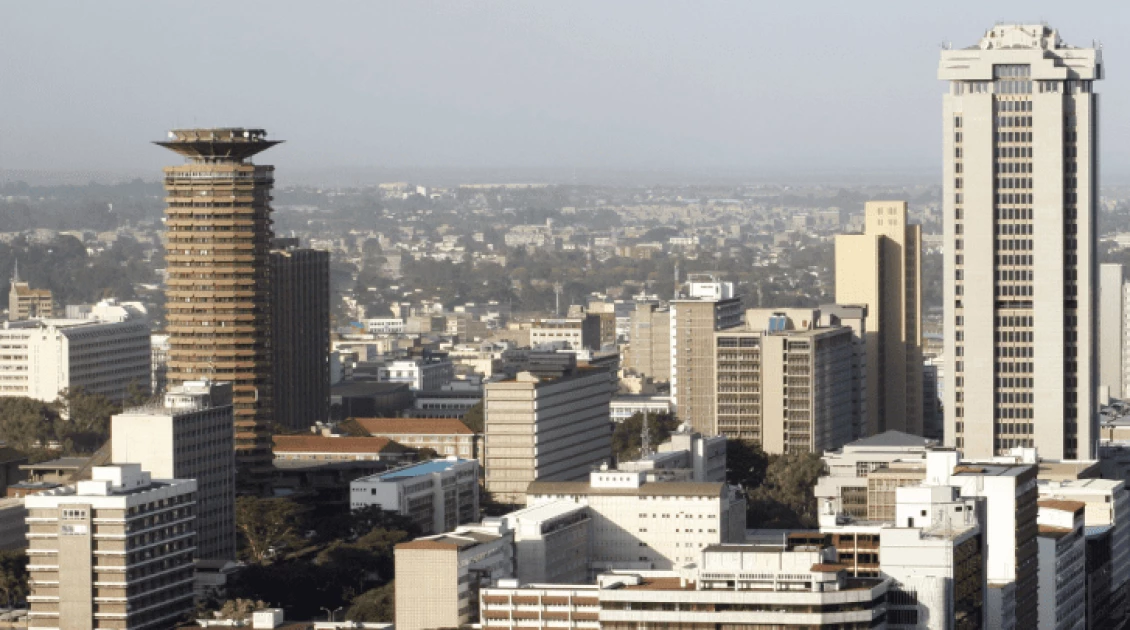
Nairobi

Audio By Vocalize
The
World Bank Group has retained Kenya’s growth projection at 5.5 per cent for
2022 in its latest country economic update.
The
multi-lateral lender has also retained its outlook for 2023 and 2024 at five
and 5.3 per cent respectively, the same rate as in June this year.
World
Bank expects growth to be anchored on improved private consumption and gains on
fiscal consolidation even as shocks, including drought, rising inflation and
tighter global financing conditions.
“The
ongoing favourable trends in the underlying drivers of Kenya’s recent
consumption growth are expected to continue including the recovery in employment,
resilient diaspora remittances, and increase commodity prices favourable for
Kenyan exports to boost Kenya’s growth in the medium term,” the World Bank
noted.
The
services industry is expected to deliver the highest source of growth in the
year at 7.9 per cent ahead of the industry at 4.9 per cent.
The
agriculture sector is nevertheless expected to lag overall growth contracting
by an estimated 1.6 per cent in the year.
Phasing
out subsidies and recurrent spending controls are meanwhile expected to deliver
fiscal consolidation with the government eyeing to trim the fiscal deficit to
4.4 per cent of GDP by June 2024.
The
looming recession in Europe nevertheless poses the risk of undercutting
recovery in Kenyan exports and tourism according to the World Bank while the
prolonged Russia-Ukraine conflict is seen increasing Kenya’s import bill.
Moreover,
tight financial conditions are seen as a constraint to Kenya even as the World Bank
expects the country to access concessional/cheap funding offsets shortfalls in
external financing.
“The
government’s commitment to use concessional borrowing is expected to continue
to provide access to finance without jeopardizing development needs and improve
external debt sustainability,” the World Bank added.
Inflation
is projected to ease back to the government target range of 2.5 to 7.5 per cent
at 7.3 per cent at the close of the year and later fall to 5.5 per cent in
2024.
The
fiscal deficit is meanwhile estimated at 6.2 per cent of GDP with debt as a
percentage of GDP at 67.3 per cent while the current account deficit (CAD) is
seen at six per cent of GDP this year.
Leave a Comment