

MPs uphold 15% tax incentive for construction companies, vehicle assemblers
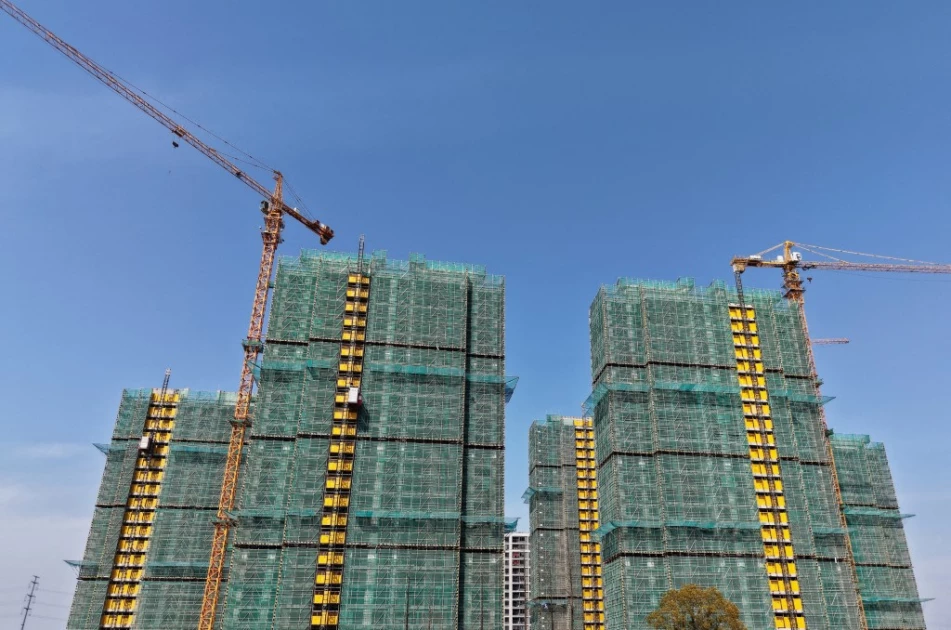
A residential complex under construction. (Photo by AFP)

Audio By Vocalize
The National Assembly Finance Committee has
rejected the proposal by the National Treasury to scrap a 15 percent tax
incentive for real estate developers and local motor vehicle assemblers in the
2025 Finance Bill.
The proposal seeks to amend the Third
Schedule to the Income Tax Act to repeal the preferential tax rate given to
companies engaged in the construction of at least 100 residential units
annually.
Additionally, the Treasury wants to do away
with a similar incentive applicable to all businesses engaged in the local assembly
of motor vehicles.
During the bill’s public participation
exercise, stakeholders in the construction and vehicle assembly industries
opposed the proposal, arguing that it would discourage investment.
The Finance Committee, in a new report on
the proposed legislation, notes that after deliberation, it agreed with the
stakeholders’ concerns. It urges MPs to delete the two proposals.
“It would disincentivize investment in the
real estate sector and result in a possible increase in housing prices
especially for those under the affordable housing agenda due to higher
developer costs,” the Molo MP Kuria Kimani-led team notes.
Regarding the bid to remove the corporate
tax incentive on local vehicle assemblers, the committee points out that it is
likely to harm the local automotive industry.
“This is in keeping with predictability and
stability within the tax system and fostering a more favourable business
environment,” the lawmakers say.
Treasury Cabinet Secretary John Mbadi
presented the Ksh.4.2 trillion 2025/26 budget in Parliament last week.
Mbadi’s ministry hopes to raise up to
Ksh.30 billion in extra revenues from this year’s finance bill, which MPs are expected to vote on before it is sent to President William Ruto for approval.
Ruto's government has, however, not introduced new taxes in the proposed law, following last year's deadly
protests against tax hikes in the 2024 Finance Bill.
Leave a Comment