

Independent fuel stations risk closure over KRA directive to adopt eTIMS system
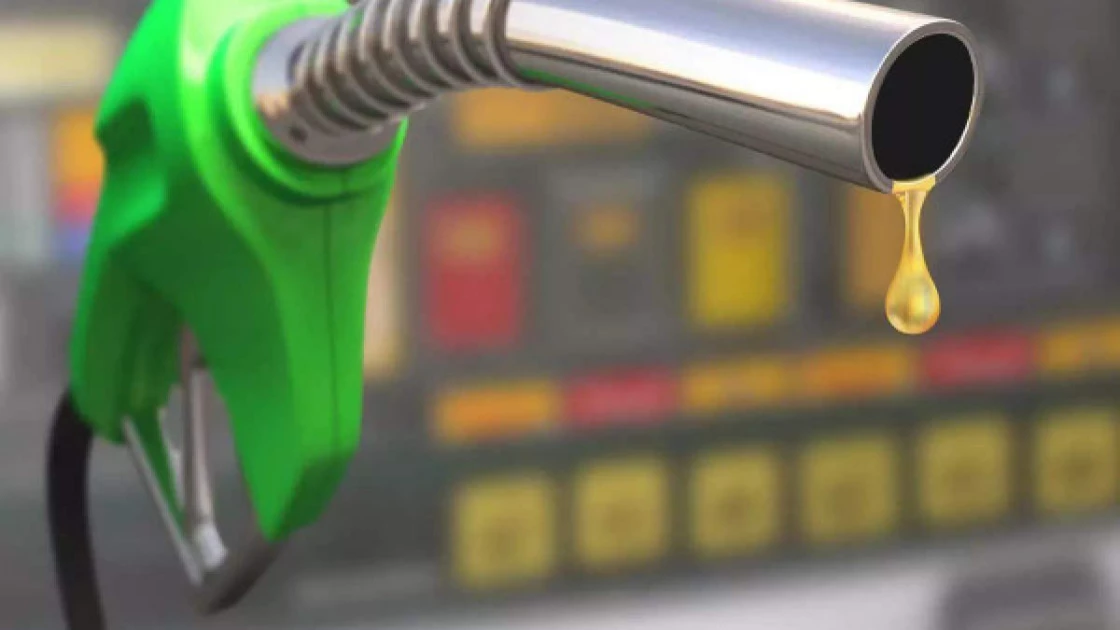
Fuel pump

Audio By Vocalize
The move, they say, is aimed at curbing fictitious VAT claims and improving tax compliance in the petroleum sector.
That deadline has come and gone and while large multinational oil firms have largely complied, small and independent dealers are crying foul, citing prohibitive costs and warning of a looming shutdown in rural areas.
The Kenya Revenue Authority now requires all fuel stations to link their fuel pumps with the Electronic Tax Invoice Management System, eTIMS.
This system allows each fuel transaction to be recorded in real time and sent directly to KRA’s servers. Drivers will now receive a valid electronic invoice after fueling their vehicles.
These digital receipts are necessary for those claiming input VAT, such as fleet operators and transport companies.
And with the deadline now passed, the uptake has been polarizing. Large petroleum dealers such as Total, Shell and Rubis have largely integrated their systems with KRA.
“We basically have the machine connected to a network that is able to see what the machines are selling. Then there's a process that ensures the sales are integrated with KRA’s server so that the receipts are VAT compliant, as required,” said John Ngure, station manager at Rubis.
For the larger, more established petroleum dealers in the country, this was merely a small bump in the road that they have since dealt with and moved on.
The machine is up and already dispensing integrated receipts. However, the smaller independent dealers are now wondering whether this additional cost is something they will be able to meet.
Irene Kimathi speaks for smaller independent dealers operating mostly in rural and remote areas, as the chairperson of the United Energy and Petroleum Association.
She says that about 98 percent of the members are yet to comply due to the high implementation costs, estimated at over Ksh.400,000. This cost can rise to as high as Ksh.1 million depending on how automated a petrol station is.
“The irony of this is that the people who sit in offices don’t realise that 1 million shillings is a lot of money to Kenyans. Four hundred thousand shillings is a lot of money. They should come up with solutions that work for everyone,” said Kimathi.
When asked about the high costs of implementation, KRA responded in a statement to Citizen TV saying:
“The costs will vary depending on a station's existing system, level of automation, and the chosen integration method. Certified integrators are best placed to assess a station's setup and provide a tailored cost estimate.”
To implement this system in petrol stations, KRA accredited five technology companies referred to as certified integrators. The companies say that these solutions are developed abroad, which can make them costly in the local market.
“For small petrol stations, our view is that we are looking for smaller-scale solutions that will be affordable to them. We are also engaging financial institutions that can help spread the payments over time,” said John Kariuki, operations director at Deities Technologies.
The smaller dealers complain that this will squeeze their margins further. This is because the Energy and Petroleum Regulatory Authority sets the maximum retail prices for fuel on the 14th of every month, meaning the dealers cannot pass the cost on to the consumer.
“For heaven’s sake, how do we survive? We are looking for investors from outside the country, yet we are killing our very own investors with policies that are not workable,” said Kimathi.
KRA maintains that extensive public participation was conducted. The statement reads in part:
“Implementation of the eTIMS fuel station system began in June 2024 using a phased approach over a twelve-month period, which included extensive stakeholder engagements and a voluntary pilot phase.”
That, Kimathi does not dispute.
“We sit down with them. We tell them the factors on the ground. They go back to their offices, they come up with their draconian laws that they imagine should work, and then they bring them to us,” she said.
With limited time and resources, small dealers say they are being squeezed out of a market they’ve helped sustain for years, even as larger, well-capitalised players tighten their grip on the sector.
Leave a Comment