

Banks and CBK differ on base lending rate
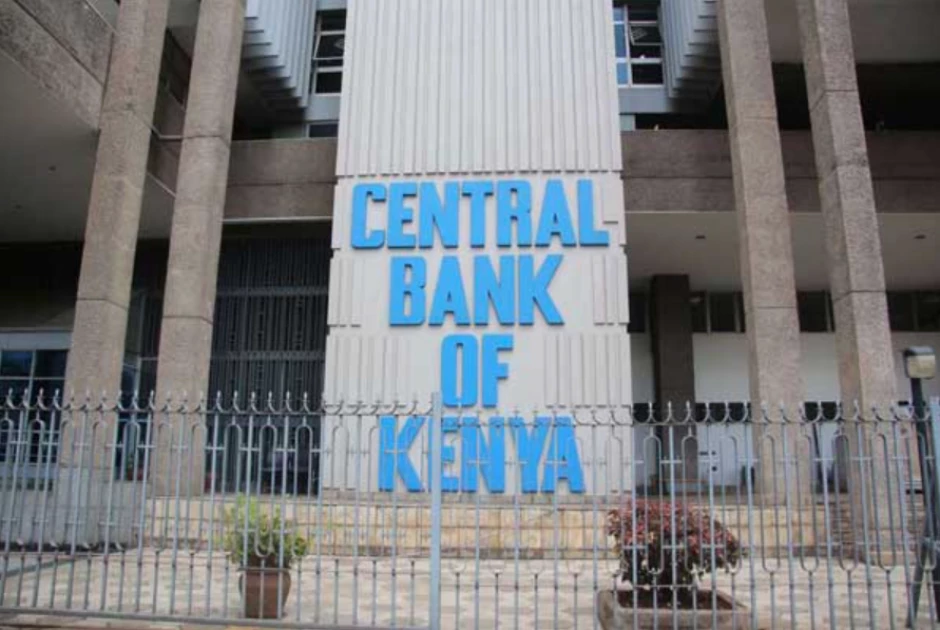
File image of the Central Bank of Kenya (CBK) buildings in Nairobi.

Audio By Vocalize
Commercial banks
will have until May 2, 2025 to submit their feedback on the Central Bank of
Kenya's consultative paper on the review of the risk-based credit pricing
model.
According to the Central Bank of Kenya (CBK)
Governor Kamau Thugge, the aim of the initiative is to reform the risk-based
pricing model to address persistent challenges in the credit market, including
high lending rates and opaque pricing mechanisms, by creating a market‐driven
framework for pricing credit risk.
The ongoing review
of risk-based pricing model for commercial bank loans continues to attract
numerous suggestions, with commercial banks and their regulator seemingly
pulling in different directions.
According to the
CBK, opaqueness in the pricing mechanisms of risk-based pricing has led to a
high cost of credit and lower credit to the private sector, an issue that the
CBK has since tried to address by lowering the base lending rate.
But according to
the Kenya Bankers Association (KBA), the decision whether to increase or
decrease the CBR rate can only be felt if it is implemented through monetary
injections as well as withdrawals by CBK, noting that it is the implementation
that triggers the transmission of policy decision through the interbank market
for liquidity to the lending rates.
According to KBA
CEO Raimond Molenje, there is one big danger with the current model: “That CBK
will only set the CBR and wait for transmission without necessarily doing
implementation to affect market liquidity,” further noting that banking sector
focus interbank rate is “to obligate CBK to undertake policy implementation to
trigger the transmission; so as to align policy action to market conditions.”
CBK Governor Dr
Kamau Thugge said: "The reason I think that CBR being the base is the
right way is because it’s also forward looking, the proposal by the banks is to
average the last two months of the interbank rate but as I have just told you
the interbank rate has been tracking very closely the Central Bank Rate."
The CBK further
argues that in its proposals, banks would raise their rates immediately as
opposed to relying on the average of the previous two months, where the
monetary conditions were different, insisting that the CBR should be the base
plus the K, which is based on the borrower's credit risk.
But according to
the bankers, this unilateral drive by CBK to CBR and controlled margin
"K" smells like indirect interest rate capping.
"We also want
that K to be also transparent, we want it broken down to the cost of operations
in terms of lending, how much does it cost, what is the shareholder return and
finally the risk of the person—you know if you don’t pay your loans you know
you be charged a higher rate," stated Dr. Thugge.
Churchill Ogutu, Economist,
IC Group said: "This base lending rate does not just apply to commercial
banks, there are also those other financial institutions that in a way will
also be netted into this whole regime so you’ll find that there will be spoilt
for choice where there is banks pretty much offering the same base rate but
also these other alternative financial institutions so there could also be
opportunity for growth."
And as the debate
rages on, experts believe retaining the CBR rate as the base lending rate will
be the most productive solution.
Leave a Comment