

Analysts warn high oil prices could hit Kenya’s economy if Iran-US war persists

Audio By Vocalize
With oil prices climbing amid fears of supply disruptions through key shipping routes, analysts warn the country’s heavy reliance on imported petroleum products leaves it exposed to higher fuel costs, inflation and pressure on the shilling.
An analysis by research firm Zero Carbon Analytics now warns the shock could ripple through the country’s economy if the crisis persists.
The global concern centres on the Strait of Hormuz, one of the world’s most critical energy shipping routes. Nearly one-fifth of the world’s oil supply passes through the narrow waterway, linking the Persian Gulf to global markets.
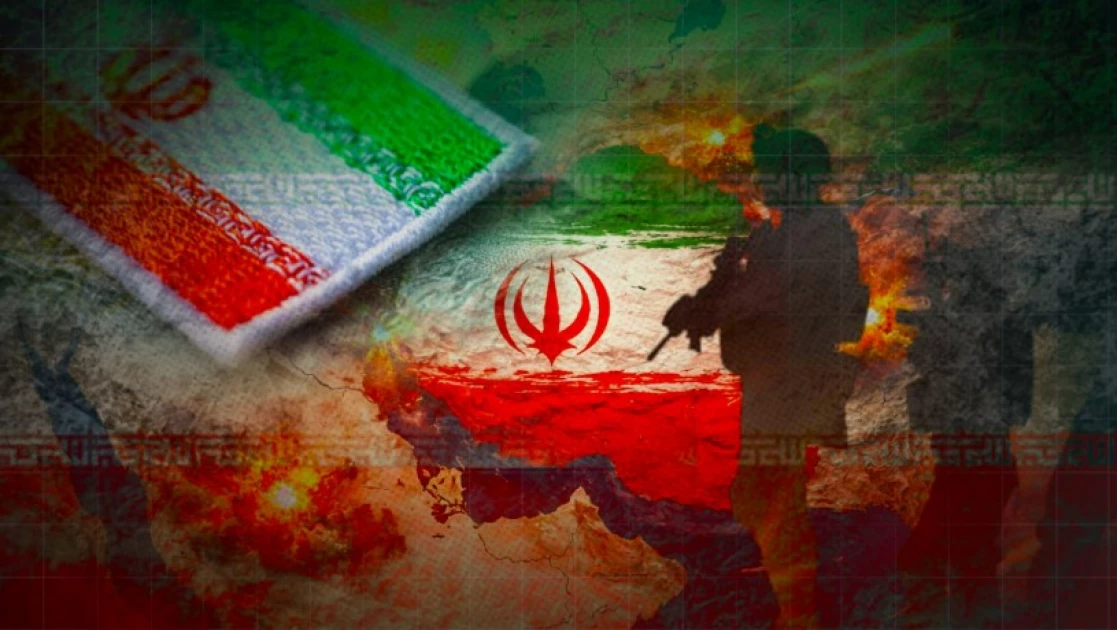
But the ongoing conflict involving Iran has disrupted tanker traffic and energy infrastructure, rattling the global oil markets. Oil prices have already surged sharply, with some trading sessions showing spikes of nearly 20 per cent as fears of supply shortages grow.
"Our minister said we have reserves that can take us till the end of April. The main impact will likely be felt in the next procurement cycle," Joab Okanda, climate and energy expert, said.
According to analysis by research firm Zero Carbon Analytics, if disruptions persist, prices could climb even higher. The shock is already reverberating through the global economy.
Airlines are raising fares because of higher fuel costs, while major economies are considering releasing emergency oil reserves to stabilise markets.
Egypt, for example, has already raised domestic fuel prices. For Kenya, where fuel is a key driver of inflation and economic activity, sustained high oil prices could increase the cost of living.
"The other is that given this is a global situation, we might see an ease in our exports in terms of the people who import our goods, teas, coffees, cut flowers, so it means that there is a lot less that is coming into our country in terms of USD, and we need a lot more to pay out for the oil. So this puts a lot of pressure on the shilling," Juliana Kainga, renewable energy expert, noted.
But analysts say the crisis also highlights a longer-term structural challenge for the country. Heavy reliance on imported fossil fuels leaves many countries vulnerable to geopolitical shocks thousands of kilometres away.
Energy experts argue that accelerating investment in renewable energy, electrified transport and regional power integration could help reduce that exposure.
"The E-mobility space is one that has really helped reduce the shocks of fuel prices in the country. We’ve seen great adoption, more than 3000 percent between 2024 to 2026," Kainga added.
"Moving away from dependence on fossil fuels is not a climate imperative, it is not an environmental issue, it's actually an economic imperative," Okanda pointed out.
And as the conflict unfolds, the biggest question for Kenya may not be how long the war lasts, but how long the country can absorb the economic shock.
Leave a Comment