
WHO opens second global summit on traditional medicine in India
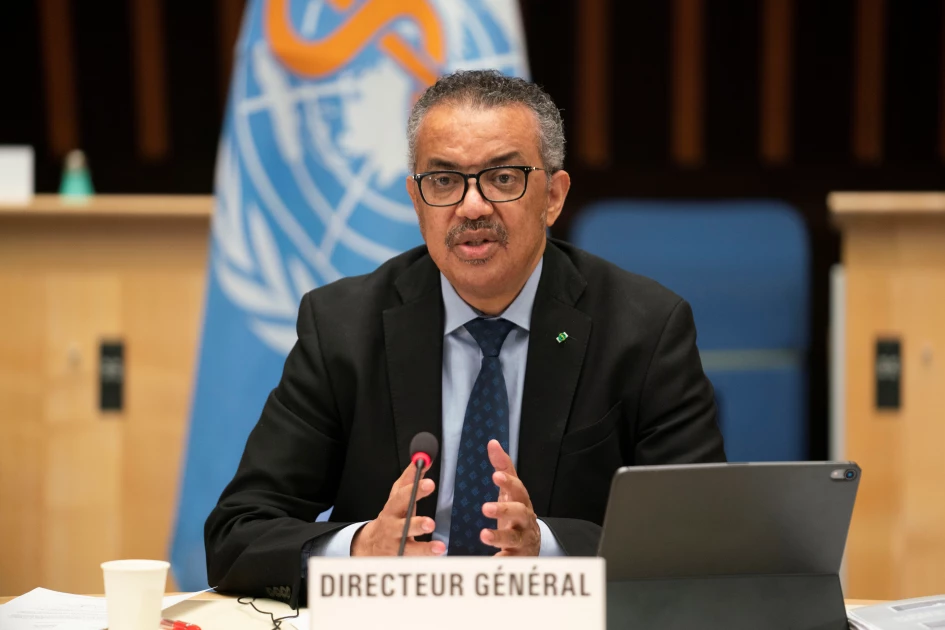
Tedros Adhanom Ghebreyesus, Director General of the World Health Organization (WHO). Photo/REUTERS

Audio By Vocalize
The three-day meeting is expected to outline new scientific initiatives and country-level commitments to advance implementation of the WHO Global Traditional Medicine Strategy 2025–2034, which focuses on evidence generation, regulation, health system integration, collaboration and community engagement.
Traditional medicine (TM) includes both codified and non-codified systems that predate modern biomedicine and continue to be used globally. WHO estimates that nearly 90 per cent of its 194 Member States report that between 40 and 90 per cent of their populations use some form of traditional medicine, often because it is locally available, affordable and culturally familiar.
Speaking at the opening, WHO Director-General Dr Tedros Adhanom Ghebreyesus said the organisation aims to better align traditional medicine with modern scientific approaches, including emerging technologies such as artificial intelligence and genomics, to improve safety, effectiveness and sustainability.
Evidence, regulation and health system integration
WHO says integrating traditional medicine into national health systems could help expand access to care at a time when global health gaps remain significant. Nearly 4.6 billion people lack access to essential health services, while more than 2 billion face financial hardship in obtaining care.
According to WHO, some evidence suggests that well-regulated integration of traditional medicine can improve health outcomes, support prevention and health promotion, and reduce inappropriate use of antibiotics. However, officials stressed that such integration depends on stronger scientific validation, global quality and safety standards, and effective regulatory frameworks.
WHO Chief Scientist Dr Sylvie Briand said traditional and biomedical therapies should be subject to comparable levels of scientific assessment, while also respecting biodiversity, cultural practices and ethical standards. She added that advances in areas such as genomics, systems biology and data analytics could help address long-standing research gaps.
Research gaps, biodiversity and Indigenous rights
Traditional medicine supports a growing global market, particularly in herbal products, and natural resources remain a major source of drug discovery. WHO notes that Indigenous Peoples, who make up about 6 per cent of the world’s population, steward roughly 40 per cent of global biodiversity.
Despite its widespread use, WHO estimates that less than 1 per cent of global health research funding is allocated to traditional medicine. To address this gap, the organisation announced the launch of the Traditional Medicine Global Library, which brings together more than 1.6 million scientific records covering research, policies and regulations related to traditional medicine.
The digital library, developed following calls from G20 and BRICS leaders in 2023, will provide institutions in lower-income countries with access to peer-reviewed research through the Research4Life initiative. WHO said it will also support countries in documenting traditional medicine systems while strengthening intellectual property protections and research capacity.
Join the Discussion
Share your perspective with the Citizen Digital community.
No comments yet
This discussion is waiting for your voice. Be the first to share your thoughts!