
OPINION: Africa has built the trade rules, now we must build the deal-making machinery
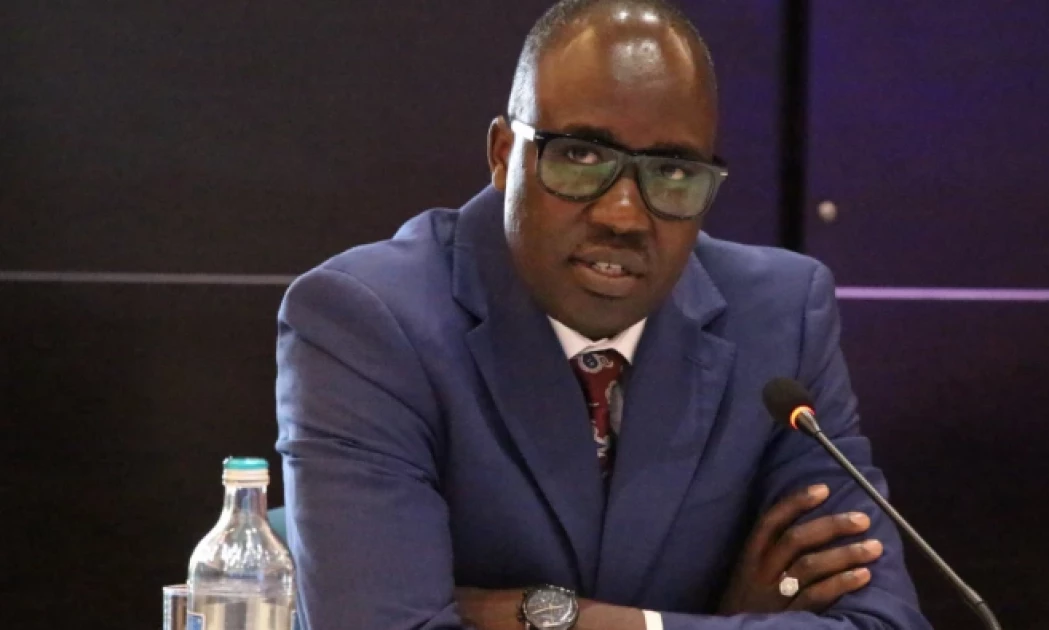
File image of Kenya's Foreign Affairs Principal Secretary (PS) Dr. Korir Sing’oei.

Audio By Vocalize
When Kwame Nkrumah declared that “Africa must unite,” he was articulating a vision far deeper than political symbolism. He, alongside Pan-African trailblazers such as Jomo Kenyatta, Julius Nyerere, Nelson Mandela, Thomas Sankara and Patrice Lumumba, understood that unity was ultimately about dignity, economic self-determination, and shared prosperity. Their struggles were not only for flags and independence, but for an Africa capable of shaping its own economic destiny.
Today, that Pan-African aspiration has taken concrete institutional form. The African Continental Free Trade Area (AfCFTA) represents one of the most ambitious integration projects anywhere in the world.
Protocols have been negotiated, legal frameworks aligned, and the foundation for a single African market firmly established. The rules exist and the ambition is clear. However, a fundamental question remains: how does trade actually happen at scale? How do we move from opportunity to contract, from conversation to commerce? This is Africa’s execution gap.
Our diplomatic missions, more than a thousand across the continent, have long been pillars of cross-border engagement, facilitating mobility, protecting citizens, and supporting trade promotion through networking and advocacy. But Pan-Africanism in the 21st century must evolve beyond introductions.
It demands structured deal origination, counterparty verification, access to finance, and systems that ensure opportunities convert into transactions. The constraint is not one of will; it is one of tools.
Kenya’s advancement of BiasharaLink and Deal House responds directly to this challenge. BiasharaLink enables diplomatic missions, exporters, and investors to formally capture, structure, and track trade and investment opportunities aligned with AfCFTA priorities, creating a shared and visible pipeline. Deal House provides the execution layer: validating opportunities, matching partners, linking finance, and moving deals toward closure.
In practical terms, these tools reposition diplomatic missions from networking outposts into transaction-enabling hubs. They introduce discipline, continuity, and accountability into trade facilitation. This is how we scale regional value chains, advance green industrialisation, and support African enterprises to grow beyond borders. It is how we translate the Pan-African ideals of our founding leaders into measurable economic outcomes.
For Nkrumah, Kenyatta, Nyerere, Mandela, Sankara and Lumumba, unity was not an abstract philosophy — it was a pathway to collective prosperity. Today, the barriers to that prosperity are less about colonial borders and more about fragmented information, trust deficits, and the absence of execution infrastructure. Digital systems can help bridge those divides, ensuring Africa’s integration is not only political and legal, but commercial and practical.
Economic diplomacy must therefore evolve from promotion to execution. The next frontier is not negotiating new frameworks; it is operationalising the ones we already have. AfCFTA is our blueprint. Execution platforms are the machinery that builds the house.
Pan-Africanism has always been about agency — Africans shaping their own future. By equipping our diplomatic networks with tools that convert policy into transactions, we move closer to the Africa our forefathers envisioned: connected, self-reliant, and trading with itself at scale.
The task before us is to make unity not just a slogan, but a supply chain; not just an aspiration, but a contract signed, financed, and delivered.
Dr Korir Sing’oei is the Principal Secretary, State Department for Foreign Affairs, Kenya.
Join the Discussion
Share your perspective with the Citizen Digital community.
No comments yet
This discussion is waiting for your voice. Be the first to share your thoughts!