
NGEC boss dismisses claims girl child is empowered at boy child’s expense
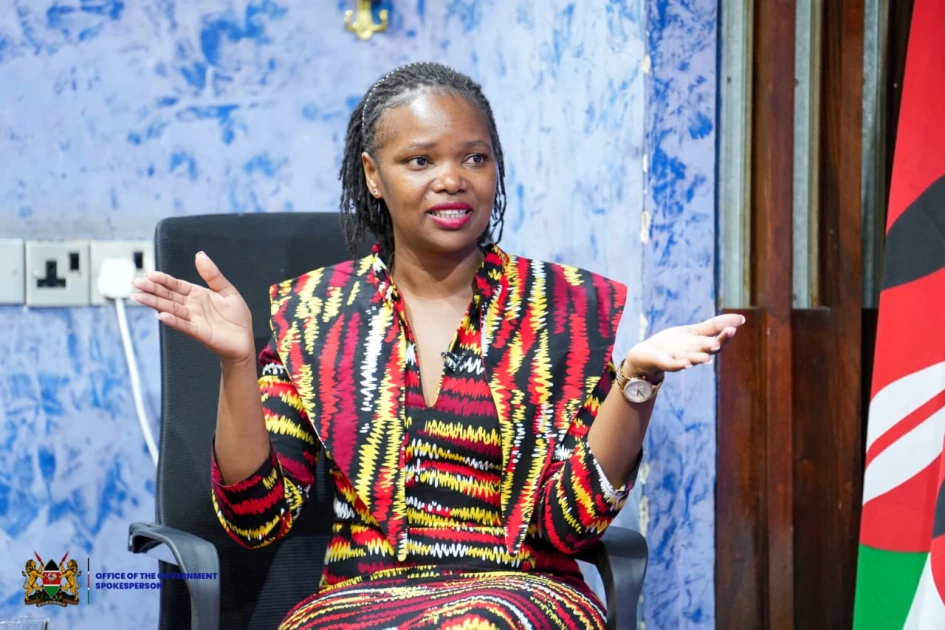
National Gender Equality Commission (NGEC) CEO Dr Purity Ngina. Photo: Courtesy

Audio By Vocalize
Speaking during a government podcast, Dr Ngina said the ongoing debate stems from a public misunderstanding, emphasising that the government provides equal opportunities to both boys and girls.
“There is a conversation that often suggests that the girl child is being over-empowered at the expense of the boy child. However, I believe this reflects a misunderstanding of what it means to be over-empowered.
Both boys and girls are given the same opportunities. The only difference may be the emphasis on reminding them that, whether you are a girl or a boy, you can become whatever you want,” Dr Ngina explained.
She further cited findings from surveys conducted in various government institutions, noting that there is still a need to continue empowering women in the country.
According to Dr Ngina, many women still lack economic power, making it necessary to strengthen empowerment efforts to ensure they compete on an equal footing with men.
“If you look at the statistics, especially in terms of representation in elected or nominated positions, you will realise that women have been left behind. Currently, women hold only about 22 per cent of such positions. When we consider indicators related to Sustainable Development Goal 5, such as female genital mutilation (FGM), the rate stands at 15 per cent. Similarly, around 15 per cent of girls become pregnant before the age of 18. Many women also lack economic power.
These statistics highlight why we need to focus on bringing women to the table so they can compete equally with their male counterparts. It is important to understand that empowering women does not mean disempowering men,” she said.
On gender-based violence, Dr Ngina stressed that the issue should not be taken lightly, as it affects both men and women.
She added that there is a need to strengthen laws to address technologically facilitated gender-based violence.
“The issue of the Russian man who recorded Kenyan women without their consent highlights the need to review our laws to ensure they adequately protect both women and men, especially against online bullying and harassment,” she said.
Join the Discussion
Share your perspective with the Citizen Digital community.
No comments yet
This discussion is waiting for your voice. Be the first to share your thoughts!