
Less is more: The rise of minimalist living in Kenya
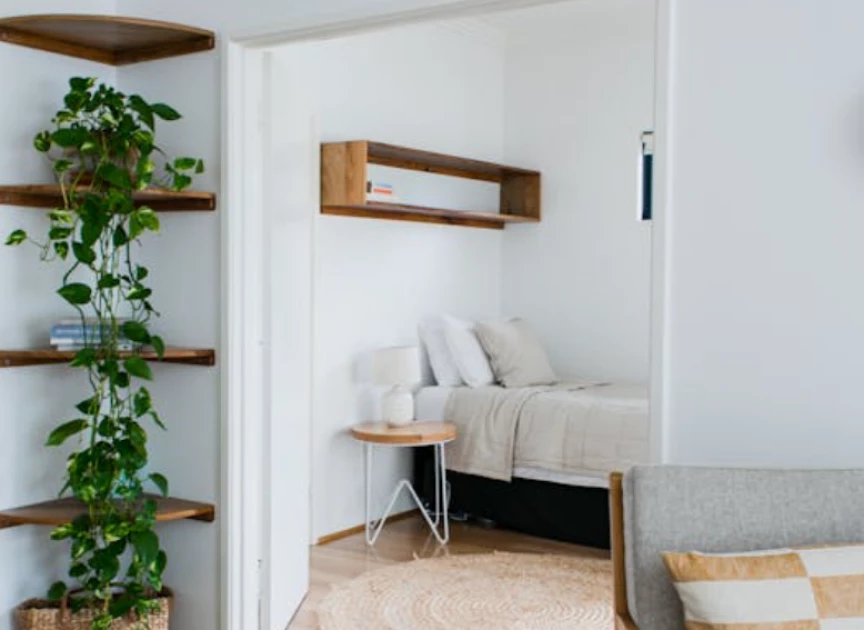
Stylish apartment in a minimalistic style. PHOTO | RACHEL CLAIRE | PEXELS

Audio By Vocalize
In a world where clutter and excess often define modern living, a new wave of interior design is sweeping through Kenya - minimalism. More than just a trend, minimalism has become a lifestyle choice; influencing how people decorate their homes, structure their spaces, and even approach daily living.
A growing respect for neat, visually
appealing spaces that encourage productivity and relaxation, is what's driving
the trend. The phrase "Less is more" perfectly captures the idea of
minimalist interior design. Getting back to the basics is sometimes the best
course of action in our hectic modern life. That is precisely what minimalist
design accomplishes.
Austin Omondi, 27, mentions that he
was inspired by a desire for simplicity and intentionality - shifting his
mindset and now focusing on quality over quantity.
“I realized, when I was growing up, my
mom had accumulated so many things that didn’t add real value to our house or
they had run their course, and they were only creating clutter, both physically
and mentally. The idea of living with less but appreciating more became very
appealing as I grew up until I had my own space,” he says.
The grid is completely covered in
natural materials, calming colors, and furniture that is proportionately placed
to promote breathing room. The appliances are subtly incorporated into
handle-less cupboards, viewable surfaces are clear of clutter, and there isn't
a single television screen in the living areas.
Indeed, the majority of minimalist
interiors are simply white and extremely tidy. However, the distinctive feature
of minimalist design is its absence.
“Minimalism has brought a sense of
peace and clarity to my daily life. I no longer feel overwhelmed by clutter,
and I have more time to focus on what truly matters such as relationships,
experiences, and personal growth,” he adds.
When faced with a lack of anything,
one can identify what is most important. In a world of constant noise and movement,
these spaces offer a rare opportunity for stillness and reflection. It is no wonder that so many people identify
with a minimalist aesthetic.
Minimalist interior design as we know
it avoids the "unnecessary" in favor of uninterrupted simplicity.
“With less clutter, my home feels more
spacious and intentional. Everything I own serves a real purpose, so there’s no
wasted space. Cleaning is made easier, organization is effortless, and my home
feels like a place of rest rather than chaos, with a calming environment where
I can truly recharge,” notes Austin.
John Pawson, one of the world’s leading
minimalist designers, once said; “Placing value on simplicity in not only an
aesthetic choice, but an expression of an entire philosophy of living,”
Whether it's a minimalist wardrobe or
a minimalist bedroom, there are many potential benefits to minimalist interior
design. These designs prioritize doing more with less, which eventually results
in reduced clutter and better space functionality.
In Kenya, many people are residing in
apartments and small homes as a result of the quick development of cities like
Nairobi, and with this through minimalist design, it is easier to make the most
use of the available space without sacrificing style. In urban homes,
multifunctional furniture, creative storage options, and open floor plans are
becoming necessities.
The younger generation, Gen Zs, find
attraction in the classic style created by neutral colors, spotless finishes,
and clutter-free areas. This trend has also been driven by social media sites
like Pinterest and Instagram, where a large number of designers and homeowners have
shared their tasteful, minimalist homes, encouraging others to follow suit.
“I was cleaning out my closet one day
and found so many items I hadn’t used in years. It made me realize how much I
was holding onto unnecessary things, so I decided that I will start having
things that I only use,” said Austin.
Robert Brown of Robert Brown Interior
Design emphasizes that minimalism allows other elements, such as people or
views, to take focus. He stresses that every piece in a minimalist space should
be functional and add value, with careful attention to form and clean lines to
create a restful environment.
It is distinguished by its
monochromatic color scheme, simplicity, and clean lines. Minimalist décor is an
exercise in restraint that promotes open-plan living, natural lighting, and
sparsely placed but well-chosen decorative accents. In addition to improving
aesthetic attractiveness, this style promotes mental clarity and lessens stress
and distractions at home.
Another crucial factor in minimalist
interior design is color. More neutral colors and natural colors are typically
used in minimalist designs. Whites, off-whites, browns, tans, and greys can all
be included in this, but this doesn’t mean that vibrant colors can’t be used in
a minimalistic design. Bold colors can be part of the design, used sparingly
and appropriately as accents. Saturated
colors often work nicely with lighter tones to bring pops of color.
People are also choosing more
environmentally responsible options, long-lasting and locally sourced materials
over mass-produced throwaway décor. Handmade clay pots, woven baskets, and
wooden furniture are all returning to minimalist home design.
Minimalism being more than just an aesthetic, it is also a
mindset that encourages intentional living. As this design philosophy continues
to gain traction in Kenya, it reflects a broader shift toward mindfulness,
sustainability, and purposeful spaces.
By embracing simplicity, Kenyan homeowners are not only
transforming their interiors but also cultivating a sense of clarity and
tranquility in their lives. Whether taking small steps toward de-cluttering or
fully committing to a minimalist lifestyle, one thing is clear: sometimes,
having less truly means gaining more.
Join the Discussion
Share your perspective with the Citizen Digital community.
No comments yet
This discussion is waiting for your voice. Be the first to share your thoughts!