
Fintech players back regulation to drive stablecoin adoption
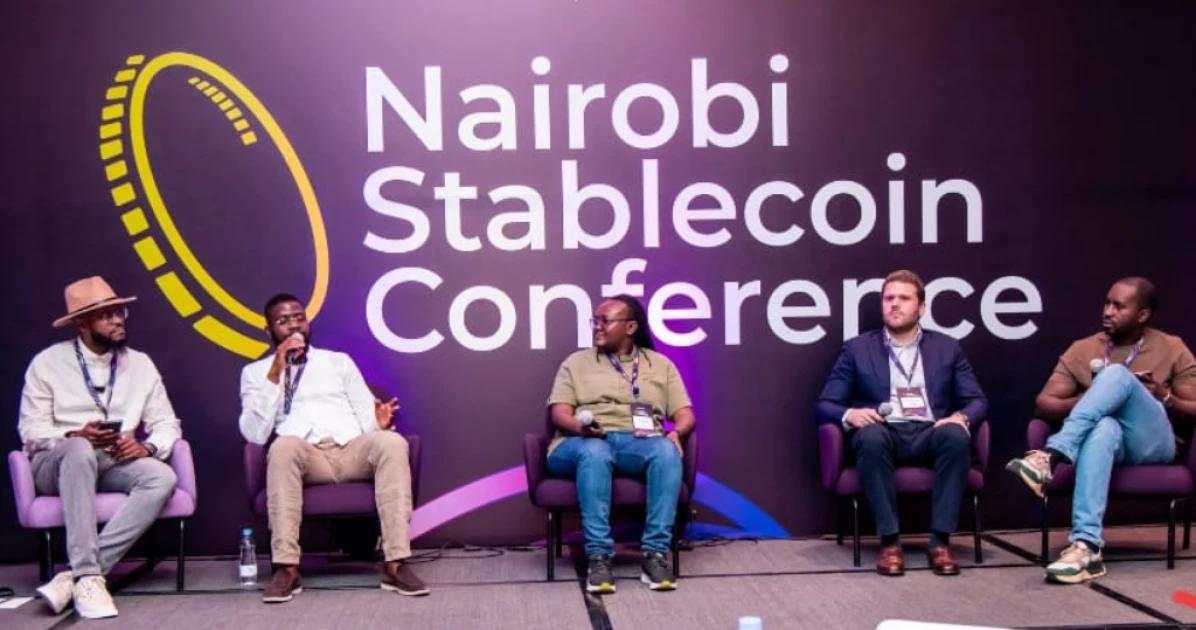
Speakers at the Nairobi Stablecoin Conference, held against the backdrop of Kenya’s enactment of Africa’s first standalone law governing virtual assets.

Audio By Vocalize
Fintech firms and blockchain innovators are backing regulation as a key driver of stablecoin adoption, saying clear rules are essential to building trust, enabling integration with existing financial systems and unlocking long-term growth in Kenya’s digital finance sector.
The sentiment dominated
discussions at the Nairobi Stablecoin Conference, held against the backdrop of
Kenya’s enactment of Africa’s first standalone law governing virtual assets.
Speakers said the
legislation positions the country as a potential regional hub, but stressed
that adoption will ultimately depend on how forthcoming subsidiary regulations
are implemented.
Wale Osidiende, Chief
Operating Officer at Bitnob, said regulation is no longer a threat to
innovation but a necessary foundation for scale.
“Regulations are coming,
and that makes us relax, knowing that there are proper guidelines guiding how
things are done. Stablecoins enable instant, low-cost cross-border settlements
compared to traditional correspondent banking systems,” Osidiende said.
He added that Kenya’s
transition from bank-led payments to mobile money provides a strong base for
the next evolution of digital value transfer through stablecoins.
Edward Ndichu of WapiPay
said regulation is central to building confidence in stablecoins, particularly
among businesses and everyday users.
He noted that adoption is
already significant, with estimates showing Kenyans transact about $500 million
in stablecoins every month, involving millions of users.
Ndichu said regulation
will help formalise this activity and support safer, more efficient use,
likening stablecoins to mobile money, which also relies on digital
representations of value backed on a one-to-one basis.
However, industry leaders
cautioned against heavy-handed rules. Tony Olendo, Chairman of the Virtual
Asset Chamber, said passing the law was only the first step and urged
regulators to ensure subsidiary regulations clearly define licensing, oversight
and institutional responsibilities.
“If you tax the industry
too early, you will hamper growth. We are calling for simple, practical rules
that allow the ecosystem time to mature,” Olendo said.
From a continental
perspective, Moyo Sodipo, co-founder of Busha, said regulation is critical for
African fintechs to compete globally as financial systems increasingly shift
towards blockchain-based rails. He said clear rules reduce uncertainty and
encourage responsible innovation.
On integration with
traditional finance, blockchain operator Duncan Muchangi said regulatory
clarity would enable seamless links between stablecoin platforms, banks and mobile
money operators, reducing reliance on informal peer-to-peer trading.
From the lending sector,
Annstella Mumbi, General Manager for Tala Kenya, said regulation could unlock
new use cases such as tokenised lending, allowing lenders to access cheaper
global capital and extend more affordable credit to consumers.
As Kenya moves to finalise
its regulatory framework, fintech players say well-calibrated rules could
accelerate stablecoin adoption, positioning the country as a leader in Africa’s
next phase of digital finance.
Join the Discussion
Share your perspective with the Citizen Digital community.
No comments yet
This discussion is waiting for your voice. Be the first to share your thoughts!