

Court orders KNH to produce medical records in double murder probe
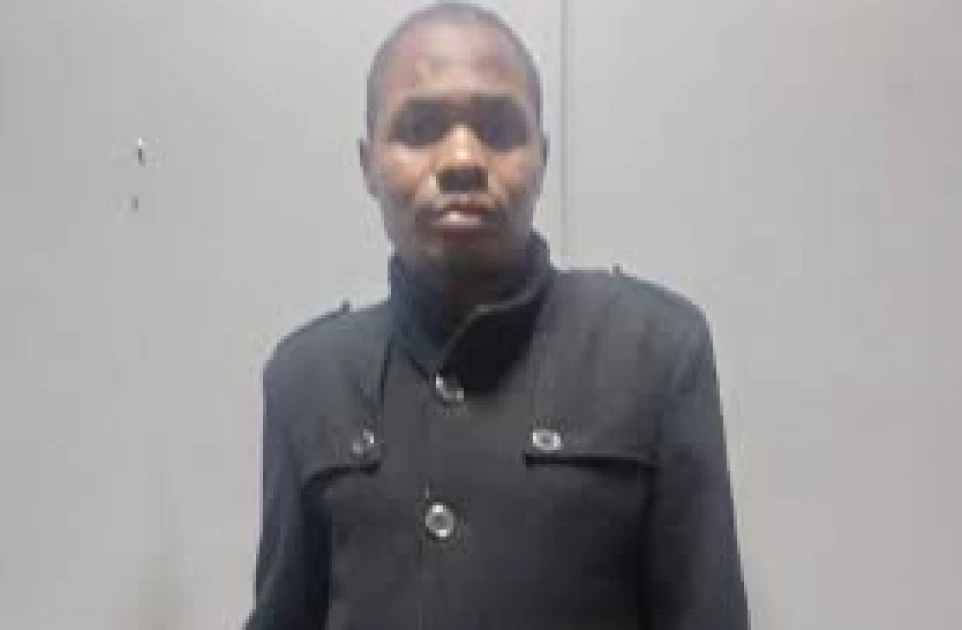
Kalombotole is accused of killing two fellow patients, including 38-year-old Edward Maingi, who was bedridden at the time after suffering a stroke. A postmortem conducted at the Kenyatta Funeral Home confirmed that Maingi died from excessive bleeding caused by deep throat lacerations.

Audio By Vocalize
Kalombotole is accused of killing two fellow patients, including 38-year-old Edward Maingi, who was bedridden at the time after suffering a stroke. A postmortem conducted at the Kenyatta Funeral Home confirmed that Maingi died from excessive bleeding caused by deep throat lacerations.
“Edward died from excessive bleeding caused by severe cuts to the neck. He was bedridden and under medical care at the time of the attack,” revealed a forensic pathologist.In a miscellaneous application, investigators sought extended custody to allow for DNA sampling from Kalombotole, which will be compared to evidence recovered from the crime scene and the victim’s body. They also cited standard police procedures such as fingerprinting and statement recording as ongoing investigative needs.
The prosecution argued that the manner in which Maingi was killed had deeply unsettled both his family and the wider community. According to the application, Kalombotole’s release at this stage could place him at personal risk due to public anger surrounding the incident.
“The suspect has no fixed residence and releasing him now could compromise his safety,” the prosecution stated.Maingi’s mother, Margaret, has announced plans to sue Kenyatta National Hospital for alleged negligence. She claims the hospital staff failed to monitor the ward adequately, allowing the suspect—also a patient—to carry out the attack undetected.
“We trusted KNH with Edward’s care. That trust was betrayed. Someone must be held accountable,” she said.Meanwhile, Kalombotole’s legal team has contested the continued detention, arguing that his health condition requires specialized medical attention that cannot be provided in police custody.
“Detaining him without access to appropriate care is a violation of his constitutional right to health,” the defense said in court.
Leave a Comment