

Agricultural stakeholders in Kenya convene to address soil acidity crisis

Audio By Vocalize
The study will identify key constraints hindering the commercial rollout of a national liming program, explore how lime will be introduced into the market, and develop a cohesive and impactful marketing strategy to encourage and sustain widespread adoption among farmers.
Mr. Henry Kinyua, Deputy Team Leader at the Kenya Soil Health Development Program, highlighted the severity of the issue, stating, "Studies have shown that over 65% of our arable land is acidic, preventing crops from effectively absorbing nutrients from the soil. As a result, even when fertilizers are applied, crops cannot utilize them efficiently."
He continued, "This inability to absorb nutrients limits crop yields, contributing to the pressing issue of food insecurity. However, research has shown that soil acidity can be reversed through the application of lime, offering a viable solution."
Christian Witt, Senior Program Officer for Soil Health at the Bill & Melinda Gates Foundation, also addressed the issue, saying, "Soil acidity is a widespread problem, not only in Kenya but throughout East Africa. It is a natural process that soils undergo over time, influenced by rainfall and the weathering of old soils."
Witt emphasized the importance of addressing this issue: "Soil acidification is a challenge that demands attention. If soil acidity becomes too pronounced, crop growth is hindered, and the efficiency of inputs like fertilizers is reduced. Our goal is to identify the most effective combination of public and private sector interventions to address soil acidity in Kenya."
Sheila Keino, Executive Director of Sustain Africa, underscored the significance of the scoping study, stating, "The study we are conducting on liming and soil health in Kenya is crucial, as soil acidity is causing us to lose yields. We are focused on rehabilitating soils across the country, starting with several key counties. Over the next three months, we will dive deeper into the issue to explore how we can reverse soil acidity, enabling farmers to achieve better yields."
The Nairobi Declaration, which emerged from the Fertilizer and Soil Health Summit in May, called for the rehabilitation of at least 30% of Kenya’s soils.
Keino added, "Kenya must take the lead in addressing soil health, and liming is a key part of that effort. Correcting soil pH is essential for improving agricultural productivity."
This initiative marks the beginning of a large-scale program aimed at piloting the liming of at least 100,000 acres in two of Kenya’s counties most affected by soil acidity.
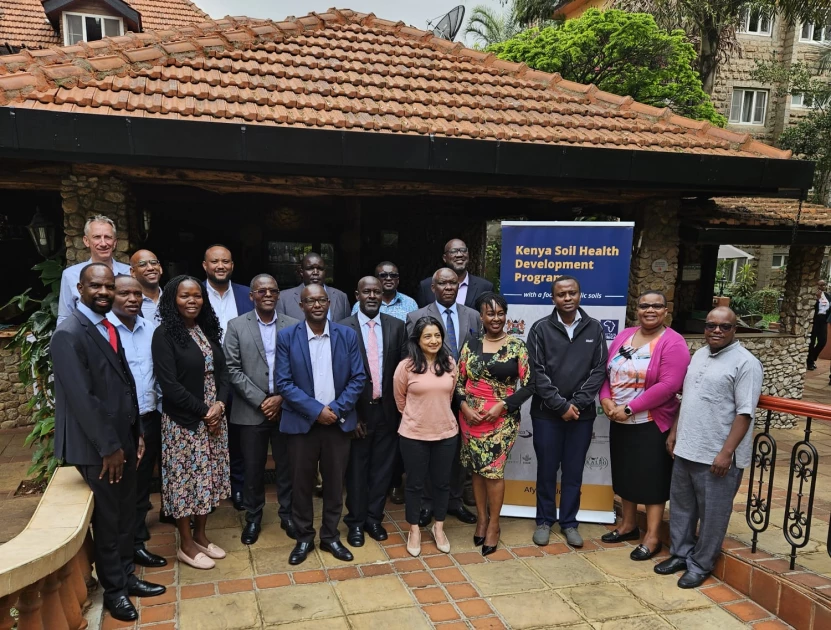
The workshop is being convened by the Government of Kenya, Sustain Africa, and is supported by the Bill & Melinda Gates Foundation.
Leave a Comment