
Aging, caregiving, financing: The unspoken crisis facing women in Kenya
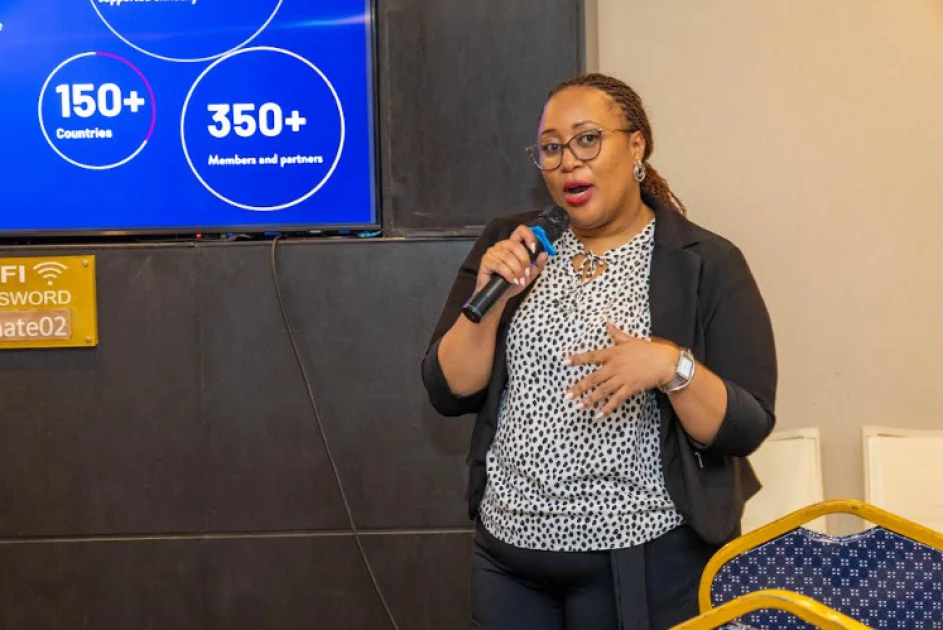
Grace Wachori speaking at the Gender, One Health, Safeguarding, and Human Rights Principles Training Workshop, highlighting the crucial link between financial security, mental well-being, and gender equity.

Audio By Vocalize
Small and Medium Enterprises (SMEs) are
advocating for increased local funding to bridge the gender finance gap, create
jobs, and drive economic growth—especially as international aid continues to
dwindle.
At the heart of this conversation is
the need to integrate gender mainstreaming into economic policies to secure
women’s financial independence.
Grace Wachori, Africa Regional
Director at the Aspen Network of Development Entrepreneurs (ANDE), emphasizes
that financial security is deeply tied to mental well-being.
“You can feel the hopelessness in this
country, right? Women, especially, are constantly asking themselves - how do I sustain myself?” Wachori remarked at a recent engagement in Nairobi.
She highlights that financial
instability creates a cycle where women make progress through psychosocial
support but later fall back into hardship.
“We thought - what if we help them with their daily expenses while
also giving them the ability to save and invest? Maybe that’s the missing piece,” she said.
Beyond survival, Wachori stresses the
need for long-term financial empowerment. A partnership with other actors who have provided
financial literacy training and microloans to women and youth-led enterprises.
“We gave them an opportunity to build
trust with banks, access small loans, and start working towards financial
independence. And we saw real change,” she shared.
Sakwa Masai, Oxfam Kenya’s Private
Sector Engagement Advisor, echoed these
sentiments, asserting that gender
must be central to economic policies. He pointed to barriers women face in
business
- limited access to capital, business networks, and
skills development.
“Men have easier access to resources - capital, assets, and networks that fuel business
growth. Women, on the other hand, struggle to make their businesses
finance-ready, which limits their ability to expand,” said Masai.
He also underscored the impact of
unpaid care work, where women spend, on average, 3.5 hours more than men daily,
restricting their ability to engage in economic activities. He called for
gender-inclusive workplace policies, such as flexible work arrangements,
breastfeeding rooms, and paid parental leave.
Recognizing the need for sustainable
economic solutions, James Odede, co-founder and Chief Technology Officer of
Aquarech, is reshaping Kenya’s fish farming sector by providing financing,
market access, and training. They offer fish feed on credit, allowing farmers - many of them women - to
pay after harvest.
As Kenya faces an influx of Chinese
fish imports, Odede emphasizes that affordable local fish feeds can boost
domestic production and improve women’s participation in agriculture.
Rethinking aging: Women, caregiving,
and health
Grace Wachori also spoke about the
emotional and psychological toll that financial instability and aging have on
individuals, particularly those in the workforce.
“When you’re young, you’re focused on
independence. In middle age, you think about legacy and work tirelessly, often
neglecting self-care. Many give their best years to employers without planning
for later life,” she observed.
As retirement approaches, financial
insecurity can lead to regret, depression, and health issues. “Retirement hits
many with a shock. Suddenly, they realize they have years ahead but no plan.
That uncertainty causes anxiety,” she explained.
She emphasized the importance of peer
support, balanced work-life practices, and mental well-being. “We need to help
people transition, connect them to opportunities, and ensure they maintain
holistic health—physical, mental, and financial.”
Dr. Mary Nyamongo, a seasoned
researcher, has seen firsthand how aging, financial instability, and caregiving
intersect. Having started her career at the Kenya Medical Research Institute
(KEMRI), she transitioned into non-communicable disease (NCD) research in 2004,
a journey that reshaped her perspective.
“For many years, we believed that NCDs
were diseases of the wealthy—people with money, people who eat poorly. But over
time, I realized these diseases affect everyone, regardless of their
background,” she explained.
Now approaching her 60th birthday,
Nyamongo is organizing a run to mark this milestone, driven by personal
experience.
“I have witnessed the struggle
firsthand—my mother battling an NCD, my siblings growing older, and my role as
a caregiver intensifying. When a woman reaches 50, menopause sets in, and her
body changes. If she has parents, they are aging. Their health declines. Life
becomes harder for them. They need care and support,” she shared.
In Kenya, life expectancy hovers
around 66 years, meaning many women in their 50s are primary caregivers for
elderly parents. Data from the Kenya National Bureau of Statistics reveals that
50% of elderly Kenyans rely on family support due to a lack of pensions or
social security. The burden of unpaid care work falls disproportionately on
women, who spend three times more hours on caregiving than men.
“The responsibility is immense. Many
women struggle financially while managing these caregiving duties. Some face
their own health challenges. The exhaustion is overwhelming—you go to work
tired, take your parents to the hospital, and realize your own body is breaking
down too,” Dr. Nyamongo reflected.
Wachori echoes these concerns,
emphasizing that aging, menopause, and caregiving intersect to create a crisis
that is often ignored.
“When you are younger, you are looking
for autonomy, independence. If you don’t conquer that challenge, you get stuck.
But as you progress to middle age, the focus shifts—you start thinking about
your legacy. That’s when people work the hardest, sacrificing their own
well-being in the process. By the time they hit senior adulthood, they start
reflecting: What did I do with my strength? What am I leaving behind? And this
can either bring a deep sense of fulfillment or immense regret,” Wachori
explains.
She emphasizes the need for structured
interventions tailored to different age groups. “Many aging individuals
struggle to adapt to the fast-changing digital world, AI, and new work
environments. They need guidance to figure out where they fit in this evolving
landscape.”
Time for change: Policy and social
support
Both Wachori and Nyamongo stress that
caregiving and aging should not be individual struggles. Structural support is
needed to ensure a dignified life for older adults. Some critical steps
include:
- Expanding pension and social security systems to reduce financial dependency on families.
- Creating workplace policies that acknowledge and support employees going through menopause.
- Developing caregiver support programs that offer financial aid, mental health services, and respite care.
- Encouraging intergenerational mentorship so that aging individuals remain connected and engaged in society.
Aging should not be a lonely, painful
journey. It’s time to shift the narrative and build a society that values and
supports people at every stage of life. By closing the gender finance gap,
providing women with essential financial tools, and addressing systemic
barriers, Kenya—and Africa at large—has the potential to unlock a more
sustainable, inclusive, and prosperous economy.
Join the Discussion
Share your perspective with the Citizen Digital community.
No comments yet
This discussion is waiting for your voice. Be the first to share your thoughts!