
Inside NTSA’s vehicle inspection process as annual checks spark public debate
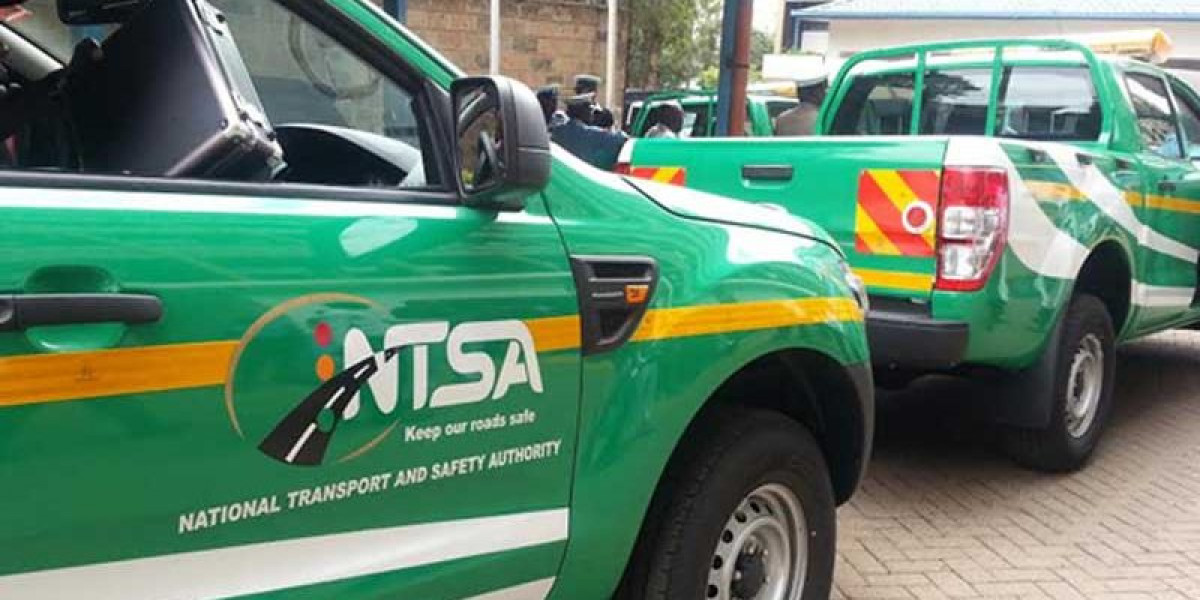
Image of NTSA motor vehicles.

Audio By Vocalize
A decision by the National Transport and Safety Authority (NTSA) to inspect all motor vehicles and motorcycles using public roads has ignited heated debate over the government's intentions.
While the authority says the move is aimed at improving road
safety and saving lives, many Kenyans remain sceptical, arguing it is primarily
a revenue-raising measure. Others view vehicle inspections as an avenue for
corruption among inspection officers.
But what exactly happens at a motor vehicle inspection
centre?
Citizen TV visited the NTSA Motor Vehicle Inspection
Headquarters along Likoni Road in Nairobi's Industrial Area to find out.
It is the busiest of the 17 NTSA vehicle inspection centres
across the country. Here, commercial and public service vehicles are required
to undergo annual roadworthiness inspections.
The process begins with vehicle owners booking an inspection
appointment through the eCitizen platform. Once at the inspection centre, NTSA
inspectors take over.
"The first procedure begins with a general inspection,”
explained Eng. Opere Nyarayo who works at the Motor Vehicle Inspection.
Inspectors then examine the vehicle's chassis, engine,
transmission, electrical system, seats and safety belts.
They also inspect the undercarriage for leaks and assess
the condition of the engine and gearbox.
The inspection further covers the electrical system,
lighting, windscreen, braking system and vehicle emissions.
"The machine instructs the driver when to accelerate,
how many times to do so, and ultimately provides a verdict on whether the
vehicle has passed or failed. The machines are calibrated,” he said.
For emissions testing, diesel vehicles undergo opacity tests
while petrol vehicles are assessed using gas analysers.
"If a diesel vehicle emits heavy smoke, its opacity
level is high,” Nyarayo explained.
However, during our visit, some equipment, including the
roller brake tester, suspension tester and noise detection system, was not
operational. NTSA said the machines were undergoing maintenance.
Inspectors also assess the vehicle body, including its
paintwork, before making the final determination.
A vehicle must meet all the required standards to pass the
inspection.
"The inspection report will indicate whether the
vehicle has passed or failed. If it fails, the report specifies the defects
that must be repaired before the vehicle is presented for re-inspection. No
additional inspection fee is charged. Inspectors only verify the repaired
items,” stated Nyarayo.
Despite the elaborate process, some motorists believe
inspections are merely procedural and that bribery determines the final
outcome.
Responding to concerns over corruption, Eng. Opere
acknowledged the challenge.
"Corruption is a common issue. As long as we are still
under the sun, sin still abounds,” he said.
He, however, said technology is helping reduce opportunities
for graft.
"We are modernising our inspection centres to minimise
interaction between inspectors and vehicle owners. Subjectivity is being
eliminated because, for example, when testing the braking system, the machine
gives the results. Those outcomes cannot be negotiated,” Nyarayo noted.
Under the proposed regulations, all motor vehicles,
including privately owned vehicles, will eventually be required to undergo
annual inspections.
However, the mandatory requirement has been postponed for at
least one year because the country lacks sufficient inspection capacity.
"The mandatory requirement is what we will postpone
until we have enough inspection centres,” said NTSA Director General
Nashon Kondiwa.
NTSA currently has the capacity to inspect about 45,000
vehicles every month, translating to approximately 540,000 vehicles
annually—only about 10 per cent of the more than five million
vehicles on Kenyan roads.
Eng. Opere said the authority could double that capacity if
all facilities were operating optimally.
"On average, we inspect between 42,000 and 45,000
vehicles every month. If we were operating optimally, we would be able to inspect
almost twice that number,” stated Nyarayo.
To bridge the capacity gap, NTSA is banking on private
investors to establish up to 70 inspection centres across the country by
mid-2027, while the authority plans to establish 30 additional centres
by December this year.
"To fully equip one inspection lane with side-slip
testers, suspension testers, wheel-alignment machines, brake testers, beam
testers and noise meters costs between Ksh.30 million and Ksh.35 million,”
stated Nyarayo.
NTSA boss Kondiwa said investors seeking licences will need
even more capital.
"The minimum requirement will be two inspection lanes,
which will cost about Ksh.80 million. The auxiliary equipment will require an
additional Ksh.20 million. In total, an investor should be prepared to spend
around Ksh.100 million,” Kondiwa stated.
The government argues that private vehicles account for more
road fatalities than public service vehicles.
While this may be true in absolute numbers, proportionately,
vehicle categories that are already subject to mandatory inspections continue
to record higher rates of road crashes and fatalities.
Under the proposed regulations, vehicles that pass
inspection will receive a certificate displayed on the windscreen indicating
the inspection date, inspection centre and expiry date.
Join the Discussion
Share your perspective with the Citizen Digital community.
No comments yet
This discussion is waiting for your voice. Be the first to share your thoughts!