
Finance Act 2026 takes effect as imported sugar tax jumps fivefold
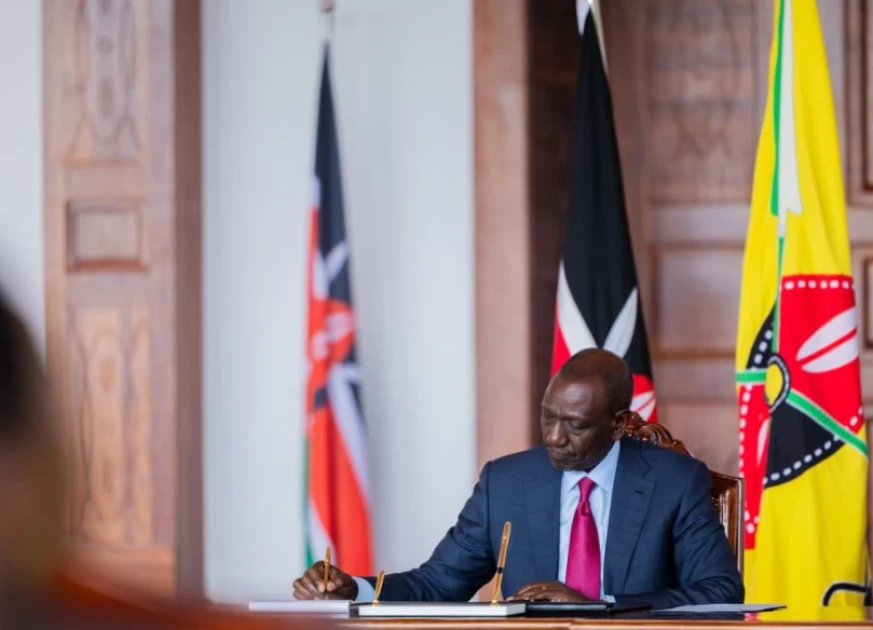
President William Ruto assents to the Finance Bill, 2026 on June 23 at State House, Nairobi. PHOTO | PCS

Audio By Vocalize
The Finance Act
2026 is now law, bringing into effect a raft of tax measures that will affect
consumers and businesses.
Among the most
immediate changes is the sharp increase in excise duty on imported sugar.
Importers will now pay Ksh.40 per kilogramme, up from Ksh.7.50 previously,
increasing the tax burden by more than 400 per cent.
The government
says the move is intended to protect local sugar farmers and millers from
cheaper imports, although it is also expected to increase the cost of imported
sugar.
"As we all
know, Kenya is a net importer of sugar. In fact, recent reports indicate that
the production capacity of our local millers is down by 27 per cent, which
means much of the sugar retailed on our shelves is imported. I would expect the
immediate impact to be an increase in sugar prices and, of course, more pain
for consumers in terms of the cost of living,” said Tarra Agility Africa Tax
Consultant Brian Odiwuor.
The law also
introduces one of the biggest administrative changes to Kenya's tax system in
recent years through pre-populated tax returns.
Instead of
completing returns from scratch, taxpayers will receive returns already
prepared by the Kenya Revenue Authority (KRA) using information available in
its systems.
They will then
have an opportunity to review the information, make any necessary corrections
and submit their returns.
"The onus is
upon the taxpayer to verify what has been pre-populated,” stated Capital A
Investment Head of Research Bank Churchill Ogutu.
Brian Odiwuor
added: “It's going to be a real challenge, especially if the capacity on the
revenue authority's side is not addressed. We even saw yesterday that KRA
reported downtime in its systems because so many taxpayers were trying to file
their returns on the deadline day. Those issues need to be addressed if we are
to go that route."
For businesses and
individuals with outstanding tax liabilities, the Act extends the tax amnesty
programme until December 2026, giving eligible taxpayers additional time to
settle unpaid taxes while benefiting from relief on penalties and accrued
interest.
The government has
also widened excise duty to cover several imported products, including
medium-density fibreboard (MDF), plywood and shower heads, in a bid to
encourage local manufacturing.
"We have not
yet seen incentives aimed at increasing purchasing power or spending power. One
of the proposals from lobby groups was a reduction in the Pay As You Earn
(PAYE) rate across all tax bands to unlock consumers' purchasing power,”
Odiwuor noted.
"I think it
could probably be introduced closer to the election,” added Ogutu.
The Finance Act is
expected to raise more than Ksh.100 billion in additional revenue to support
the 2026/27 budget while reducing the government's dependence on domestic
borrowing.
Join the Discussion
Share your perspective with the Citizen Digital community.
No comments yet
This discussion is waiting for your voice. Be the first to share your thoughts!